Car sandblasting is a crucial step in the restoration and painting process for automotive projects, from rusted classic cars to prepping an engine compartment for new paint. Whether you’re removing surface rust or prepping metal surfaces like body panels, quarter panels, or frames, sandblasting provides a cost-effective and efficient solution. It’s ideal for paint removal, rust elimination, and smoothing out imperfections to ensure a clean, smooth surface for painting or powder coating.
In this guide, we’ll walk you through the sand blasting process, including the different media blasting methods like crushed glass, glass beads, and plastic media blasting. We’ll also discuss the cost of sandblasting and the benefits of using this technique for your car restoration needs. Whether you’re looking for a quick and thorough prep for new paint or working on classic cars, sandblasting ensures the best outcome with minimal effort.
What Is Car Sandblasting?
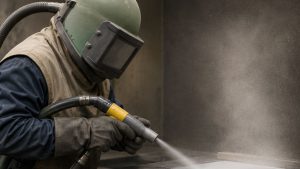
Car sand blasting, also known as abrasive blasting, is a process that uses high-pressure air or water to propel abrasive materials against a vehicle’s surface. This method removes unwanted substances like old paint, surface rust, dirt, and grime. The abrasive materials used in sandblasting can vary, depending on the metal type and the desired outcome.
There are several different types of media used in car sandblasting, including crushed glass, glass beads, soda blasting, and plastic media blasting. Each media type offers unique benefits and results, which is why choosing the right one for your project is crucial.
The Sandblasting Process
The sandblasting process begins by preparing the vehicle. The entire car or body panels, such as fenders, doors, hood, and quarter panels, are carefully cleaned to remove any dirt or debris. This ensures that the media used for blasting can properly adhere to the car’s surface. Next, the abrasive blasting equipment is set up. The blasting machine is adjusted to the appropriate pressure and media size, which will vary depending on the type of metal surfaces being treated and the goal of the project.
After the vehicle is prepped, the sandblasting or media blasting begins. The abrasive media is propelled at high velocity against the car’s surface, stripping off old paint, paint flakes, surface rust, and any imperfections. The goal is to remove rust, smooth out imperfections, and prepare the metal for a fresh coat of paint or powder coating.
Types of Blasting Media
Several types of abrasive blasting materials are commonly used in sandblasting car parts. Each offers a different level of aggression, which makes it crucial to choose the right one for your project. Some of the most popular types include:
Crushed Glass
Crushed glass is an excellent choice for sandblasting applications involving metal surfaces like car frames or body panels, especially when you’re working with a sandblasted car that needs rust removal or paint prep. It’s highly effective at removing paint, rust, and grime without damaging the metal. It’s also cost-effective and environmentally friendly, especially when compared to traditional spray methods.
Glass Beads
Glass beads are typically used for soda blasting or plastic media blasting applications. They are gentler on the surface, making them ideal for paint removal from delicate areas, such as engine compartments or classic cars. Glass beads leave a smooth, matte finish and are often used when a polished look is desired.
Plastic Media Blasting
Plastic media blasting is another gentle method often used for older cars or sensitive areas like the vehicle’s frame or sheet metal. The plastic media is softer than traditional abrasives and helps remove paint and surface rust without risking warping the metal underneath.
Soda Blasting
Soda blasting uses sodium bicarbonate (baking soda) as the abrasive material. This technique is often used for paint removal and rust treatments because it’s gentler and doesn’t damage the underlying surface. It’s commonly employed when a dustless blasting process is preferred, reducing mess and preventing an excessive cleanup.
Sand
Sand was traditionally used in sandblasting, but is not commonly used today due to health and environmental concerns. Modern techniques now employ other media like crushed glass or glass beads.
When to Use Sandblasting
Car sandblasting is used for various reasons, including:
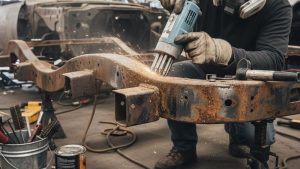
- Removing Rust: Sandblasting is highly effective in eliminating surface rust from car frames and other metal surfaces. It provides a clean surface for paint adhesion or powder coating.
- Old Paint Removal: For older cars, classic cars, or restoration projects, sandblasting is a quick and effective way to strip paint and prep the surface for new coats of paint or primer.
- Surface Prep for Painting: Whether it’s an engine compartment, fenders, or the whole car, sandblasting provides a clean, smooth surface for new paint, ensuring that the paint adheres better and lasts longer.
- Powder Coating Prep: After sandblasting, metal surfaces are often primed and coated with powder coating for an added layer of protection against rust and wear.
Whether you’re working on a classic restoration or just need a quick paint removal, look for car sandblasting near me to find trusted local professionals who can handle the job quickly and effectively, ensuring you pay for quality service.
Advantages of Sandblasting
There are several benefits to media blasting, making it the go-to choice for car restoration and maintenance:
Faster Than Manual Methods
Unlike manual paint stripper applications, which can be time-consuming, using a sandblaster for car restoration ensures the job is done quickly and thoroughly, allowing you to prep your car for paint in a fraction of the time. This makes it the perfect solution to sandblast car paint and prepare the surface for a new, smooth finish. Whether you’re dealing with surface rust or old paint flakes, blasting can strip away years of grime in a matter of minutes.
Even Surface Treatment
One of the biggest advantages of sandblasting is that it provides an even, smooth finish. Manual methods can result in inconsistent application, but with abrasive blasting, the whole car gets uniform treatment. This is particularly important for paint removal and prep for new finishes.
Effective for Tough Jobs
Certain areas of a vehicle, like the engine compartment, chassis, and frame, can be difficult to clean manually. Sandblasting makes these tough jobs easier, and it is also effective in removing stubborn surface rust or debris from hard-to-reach spots.
Environmental and Dust Control Options
Dustless blasting is an option that minimizes mess and controls the environmental impact. By using a combination of water and abrasive media, dustless blasting reduces the mess created by traditional sandblasting.
How Much Does It Cost to Sandblast a Car?
The cost of sandblasting a car can vary widely depending on several factors, such as the type of blasting used, the size of the vehicle, and the extent of the job. On average, sandblasting a car can cost anywhere between $500 and $2,000, and it’s beneficial to check quotes related threads for better insights. The exact cost will depend on:
- Size of the car: Larger vehicles like trucks or SUVs may require more time and abrasive media, which could increase the cost.
- Type of media used: For example, plastic media blasting or soda blasting may incur an additional cost compared to traditional sandblasting.
- Job complexity: The more rust or paint flakes on the vehicle, the longer the process may take, and this could add to the cost.
Some shops offer quotes based on the square footage of the car’s body or an hourly rate. The average cost to sandblast a car will depend on the type of media used, with techniques like soda blasting or plastic media blasting typically being more expensive than traditional sandblasting methods.
The Best Media for Sandblasting Car Frames and Metal Surfaces
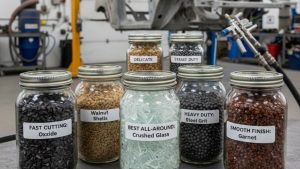
When it comes to car frames, sheet metal, or other metal surfaces, choosing the best media is essential to get the best outcome. Plastic media blasting and crushed glass are excellent choices for metal surfaces since they effectively remove rust and old paint without damaging the metal beneath.
For classic cars, you may want to use gentler blasting techniques like glass beads or soda blasting to avoid warping or damage. These methods are gentler on sheet metal and provide a smooth finish without affecting the integrity of the car’s frame or body panels.
Conclusion
Car sandblasting is an essential step in the restoration and repainting process for many vehicles, including classic, older, or rusted cars. By understanding the sandblasting process, choosing the right abrasive media, and considering cost-effective options, you can ensure that your restoration project is a success and achieves the best outcome.
At CARV, we specialize in providing professional sandblasting services for restoration projects, from removing rust and old paint to preparing your vehicle for new paint or powder coating. Our expert team ensures the right media and techniques are used for each project. Contact us today for a personalized quote and let us help you achieve the perfect finish for your car.
FAQs
Is it worth it to sandblast a car?
Yes, sandblasting a car is worth it for many car restoration projects. It efficiently removes rust, old paint, and grime, providing a clean, smooth surface for new paint or powder coating. This process saves time and ensures better results than manual methods.
What does sandblasting do to a car?
Sandblasting a car removes surface rust, old paint, and contaminants, preparing the car’s metal surfaces for a fresh coat of paint or powder coating. It also smooths out imperfections, ensuring better adhesion for new finishes.
Can you sandblast rust off a car?
Yes, sandblasting can remove rust from a car effectively. The high-pressure abrasive media used in the sandblasting process strips away surface rust, leaving a clean metal surface for further restoration or paint.
Will rust come back after sandblasting?
Rust can potentially come back after sandblasting a car if the metal is not properly treated or protected. To prevent rust from reappearing, it’s essential to apply rust inhibitors, primer, and a protective coating like paint or powder coating after the sandblasting process.