When it comes to car restoration, every detail matters, and none more so than the car frame. The frame serves as the backbone of your vehicle, and without the right preparation, you risk compromising its structural integrity. If you’re looking to restore your car’s frame to its original glory or prepare it for a new coat of paint or powder coating, sandblasting car frame is the key to a flawless finish.
Many car enthusiasts and restorers face a common dilemma: How do you tackle years of rust, old paint, and corrosion? The answer lies in sandblasting, an essential process that ensures your car frame is ready for the next stage in restoration. In this blog post, we’ll take you through everything you need to know about sandblasting your car frame, from the process itself to costs and safety precautions. By the end, you’ll understand why this is one job you can’t afford to skip when it comes to your restoration project.
What is Sandblasting and How Does It Work?
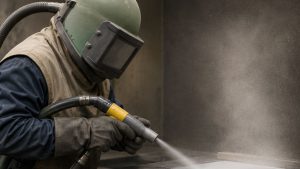
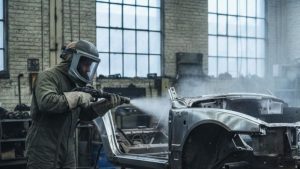
At its core, sandblasting is a mechanical process used to clean or etch a surface by propelling abrasive particles at high speed. For car frames, sandblasting is a way of thoroughly removing surface contaminants such as rust, paint, old finishes, and corrosion. But how does it work?
A sandblaster uses high-pressure air to blast sand or another blasting media onto the surface of the frame. The force of the abrasive particles helps to strip away years of grime, rust, and old coatings, leaving behind a clean, roughened surface. This surface is crucial for ensuring that paint or powder coatings adhere properly, increasing the lifespan and durability of the final finish.
Blasting media can vary depending on the type of project and the materials being worked on. Common media types for car frames include:
- Sand: The traditional choice, but not always the best for every project.
- Steel Grit: A more aggressive media, perfect for heavy rust removal.
- Aluminum Oxide: Offers a finer texture for a smooth finish.
Why Sandblasting is Critical for Car Frame Restoration
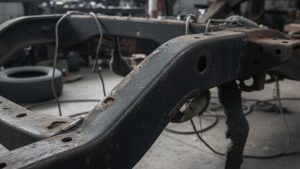
When restoring a car frame, surface preparation is crucial. Think of it like preparing a canvas before painting, if the surface isn’t properly prepped, your finish won’t adhere properly, and the restoration won’t last. Sandblasting removes all the rust, old paint, filler, and undercoat, preventing contaminants from being sealed in. Without this step, issues like future corrosion could arise under the new coating.
The abrasive blasting media creates an anchor pattern on the surface, helping epoxy primers and paints bond more effectively. Whether you’re working on a truck, muscle car, or classic car, sandblasting ensures the frame is ready for body work. This allows the final coat to stick properly and improving durability. It’s the essential first step in any successful metal restoration process.
Types of Blasting Media for Car Frames
Choosing the right blasting media is crucial for achieving the best results. Let’s break down some of the most popular choices:
- Sand: This is the most common and traditional abrasive. However, using sand is not always ideal due to the dust it creates, which is harmful to both your health and the environment.
- Steel Grit: This is perfect for removing heavy rust and corrosion from car frames and other vehicle parts. Steel grit can help you get that deep clean while providing a smoother finish.
- Walnut Shells: An eco-friendly alternative for sensitive jobs. They are gentler on surfaces and less abrasive.
- Aluminum Oxide: A very effective abrasive, particularly for fine finishes. Ideal for delicate parts or when a smooth surface is necessary.
- Plastic Media: Best for stripping paint without damaging the metal underneath.
Each of these media types is suitable for different levels of restoration. For example, if you’re working on a frame that has heavy rust or old paint build-up, steel grit will offer a more aggressive approach, whereas plastic media might be better for lighter jobs or more delicate parts.
Step-by-Step Process of Sandblasting a Car Frame
Sandblasting may seem straightforward, but it’s a dirty job that requires the right technique. Here’s how the process typically goes:
Prepare the Frame
Remove any loose components or parts that don’t need to be blasted. You might want to use a wire wheel to clean off larger debris before starting. If necessary, mask off areas that shouldn’t be blasted (e.g., areas that have already been painted or are delicate).
Select the Right Blasting Media
As mentioned, the type of media you choose depends on the condition of your car frame. If there’s a lot of rust or paint, you might opt for steel grit. For light dusting, aluminum oxide could be more appropriate.
Set Up the Blasting Equipment
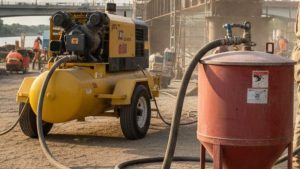
Air compressors are needed to drive the abrasive media. The size of the compressor will depend on the blasting setup. Use a water separator to keep the air clean and free of moisture, which can cause clogging or inconsistencies during the blasting.
Begin the Blasting Process
Hold the sandblaster nozzle at a consistent distance and angle to the frame. Aim for even coverage to ensure every part of the surface is prepared. Make sure to work in a well-ventilated area or wear a dust mask to protect yourself from inhaling the dust.
Post-Blasting Inspection
After blasting, inspect the frame closely for any missed spots or areas that need further attention. At this stage, it’s easy to identify any issues before moving forward.
Prepare for Coating
Once the surface is clean and etched, it’s time to apply an epoxy primer or paint. This will ensure that the finish lasts longer and resists damage from rust.
Why Choose Professional Sandblasting Services?
While it’s tempting to handle sandblasting yourself, this is a dirty job that requires expertise and proper equipment. Here’s why hiring professionals is often the better choice:
- Proper Equipment: Commercial sandblasting equipment is much more effective than consumer-grade HF blasters. Professionals use tanks that hold a pretty good amount of media, along with water separators to keep things running smoothly.
- Safety Precautions: Sandblasting, while highly effective, comes with significant safety concerns that must be addressed. Since abrasive particles can be harmful to both the operator and the environment, proper protective gear is essential. An abrasive-blasting respirator must cover the wearer’s head, neck, and shoulders to protect them from rebounding abrasive. Workers must use only respirators approved by NIOSH to protect against the dust produced during abrasive-blasting operations. Along with wearing a dust mask or respirator, protective goggles, gloves, and other safety equipment should always be used to reduce the risk of injury.
- Experience: Professionals have the experience to do the job quickly and efficiently, saving you time. They know exactly how to handle difficult jobs, from removing all the rust to dealing with frame sand buildup.
- Cleaner Results: A professional job will leave your frame with a cleaner surface that’s ready for coating. While DIY efforts might leave you with a messy result, professionals ensure that every part of your car is sanded down to perfection.
Common Challenges and Solutions in Sandblasting Car Frames
While sandblasting is an effective method for preparing car frames, it does come with its own set of challenges. Understanding these potential issues and how to address them ensures a smoother, more successful restoration process.
Uneven Blasting
Sometimes, achieving an even coat can be difficult, especially on complex frames. This is where expertise and the right blasting setup come into play. Professionals are adept at controlling the angle and pressure of the blaster for consistent results. Professionals can adjust the pressure and distance to ensure the frame is blasted uniformly. They also know how to handle hard-to-reach spots.
Frame Damage
Improper handling of the sandblaster can lead to damage, such as dents or unwanted wear on the frame. When done properly, sandblasting is safe. However, DIYers using improper equipment, like Harbor Freight models or inadequate compressors, may risk damaging delicate parts.
Mess and Dust
Sandblasting is a messy process. DIY sandblasting often leads to sand everywhere, requiring extensive cleanup. Professionals work in controlled environments, limiting the mess and ensuring minimal dust exposure. They also use efficient systems to reclaim media, reducing waste.
Other Services Offered by CARV
CARV is not just about sandblasting car frames. We also provide a range of custom services for various needs. Here’s a quick look at what else we offer:
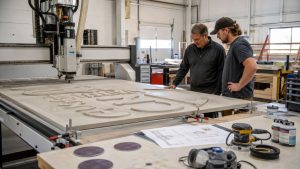
Sandblasted HDU Signs
Our sandblasted HDU signs are durable and visually striking, perfect for businesses wanting long-lasting, high-quality signage with a textured finish.
Channel Routed Specialty Signs
We offer channel-routed specialty signs for intricate designs and custom text. This technique creates unique, eye-catching signs for both indoor and outdoor use.
Wholesale Sandblasted Cedar Signs
Our wholesale sandblasted cedar signs offer rustic charm and durability, ideal for outdoor use. These signs are resistant to the elements and perfect for a natural, professional look.
Conclusion
Restoring your car’s frame isn’t just about cleaning. It’s about ensuring a long-lasting, professional finish. Whether you’re working on a classic Chevy or a modern muscle car, sandblasting is a vital step in the restoration process. By ensuring that your frame is properly prepped, you set the stage for a beautiful, durable finish that will stand the test of time.
At CARV, we specialize in high-quality automotive sandblasting services, using the best equipment and techniques to restore your car’s frame to its original condition. Don’t trust just any service. Make sure your vehicle gets the care it deserves. Contact us today for a free consultation and estimate!
FAQs
How does sandblasting work for cleaning car frames?
Sandblasting works by using a high-pressure stream of abrasive media, such as sand or steel grit, to remove rust, old paint, and contaminants from the car frame. The abrasive particles are propelled onto the frame’s surface, effectively stripping away layers of debris and preparing the metal for further restoration. This process ensures a clean, rough surface that helps new coatings adhere better.
How long does it take to sandblast a car frame?
The time it takes to sandblast a car frame depends on the condition of the frame and the size of the project, but typically it can take anywhere from a few hours to a full day. Larger, more rusted frames may take longer due to the need for more intensive cleaning. The process is usually quicker with professional equipment compared to DIY setups.
How much does it cost to sandblast a car frame?
The cost to sandblast a car frame varies based on factors like frame size, condition, and location, but prices generally range from $200 to $600. Professional sandblasting services often charge based on the complexity and time required for the job. Additional services like rust treatment or post-blasting coatings can increase the total cost.
Where to go for sandblasting a car frame?
For sandblasting a car frame, it’s best to visit a professional sandblasting service that specializes in automotive restoration. Many automotive shops, restoration centers, or dedicated sandblasting services offer this as a standalone service. You can find local options by searching online or checking with restoration shops that offer media blasting services.