Restoring a classic car to its former glory is no small task. Whether you’ve inherited a vintage ride or you’re simply passionate about fixing up your own, the process can be a labor of love, and it’s a journey that requires the right tools. A sandblaster for car restoration is one of those essential tools that can save you both time and effort. This process is a go-to for removing layers of paint, corrosion, and rust, leaving behind bare metal that’s ready for the next step in your restoration project.
But did you know that choosing the wrong sandblasting technique or media could cause more harm than good? If you’re tackling your restoration project, you’ll want to know the best practices, which tools work best, and how to avoid common pitfalls like warping sheet metal or creating quality issues. In this article, we’ll walk through everything you need to know about sandblasting, from picking the best sandblaster for your project to understanding the right blasting media for different car parts.
What is a Sand blaster, and How Does it work for Car Restoration?
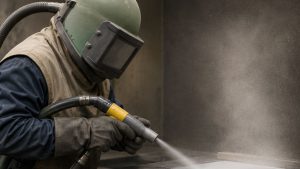
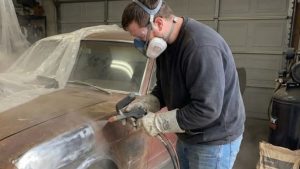
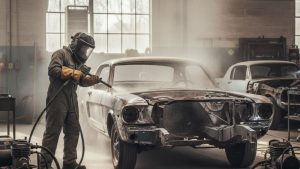
At its core, sandblasting (also known as media blasting) is the process of using high-pressure air to blast abrasive materials onto a surface. When applied to car restoration, it’s typically used to strip away old paint, rust, corrosion, and other contaminants. A sandblaster for car restoration uses materials like crushed glass, glass beads, or even black beauty to remove unwanted coatings and prepare the car for refinishing.
The basic principle of sandblasting involves a high-pressure blaster that uses an air compressor to propel the blasting media onto the surface of the car. The abrasive material impacts the surface, cleaning or stripping it down to bare metal. By using the right blasting media and pressure, you can restore body panels, frames, and inner fenders to a clean and ready-to-paint surface.
Why Sandblasting is Essential for Car Restoration
Restoring a vehicle to its prime requires precision, and sandblasting is one of the fastest and most effective ways to achieve that precision. Here’s why it’s crucial for any car restoration project:
- Efficient Paint and Rust Removal: Sandblasting is incredibly effective at removing layers of paint and surface rust in a relatively good amount of time. It’s the perfect solution for stripping down old paint from the car frame or sheet metal. This ensures the metal underneath is clean and ready for a fresh coat of primer or paint.
- Enhanced Surface Preparation: Sandblasting not only removes coatings but also roughens the surface slightly, creating a texture that helps new paint or primer adhere properly. Proper surface preparation is critical for long-term durability. In fact, studies cited by the Society for Protective Coatings (now part of AMPP – Association for Materials Protection and Performance) show that abrasive blasting can increase coating life expectancy by up to 300% compared to minimal surface preparation methods. This step helps prevent premature paint failure, chipping, or peeling.
- Versatility for Different Parts: Whether you’re working on small parts, body panels, or heavy equipment like the chassis or car frame, sandblasting can tackle them all. Different blasting media can be used depending on the part’s material, from delicate fiberglass to more robust metal surfaces.
Types of Sandblasting for Cars
When it comes to car restoration, not all sandblasting techniques are created equal. Here’s a breakdown of the different types of sandblasting processes you might consider:
Dry Sandblasting
This is the classic method where abrasive media is used without water. While it’s highly effective for large-scale rust removal, it can be messy and produce a lot of dust. Additionally, heat generated by friction can cause warping of sheet metal, which is why pressure must be carefully controlled.
Wet Sandblasting (Vapor Blasting)
Wet sandblasting combines water with the abrasive material to reduce dust and heat, making it a great option for sensitive surfaces. It also provides a feathered finish, which is ideal for delicate parts like fiberglass or aluminum. Less media is required compared to dry sandblasting, making it a more economical option in some cases.
Plastic Media Blasting
This method uses plastic as the abrasive and is perfect for stripping away paint without damaging the metal underneath. It’s particularly useful for composite parts like bumpers and trim. However, plastic media does not remove rust or corrosion, so it’s best used in the early stages of a restoration project.
Choosing the Best Sandblaster for Car Restoration
The best sandblaster for your project will depend on the size of your vehicle and the extent of restoration needed. Here’s what to look for when choosing a sandblasting setup:
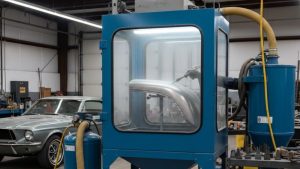
- Portable vs. Stationary Units: A pressure blaster comes in both portable and stationary versions. For a whole car restoration, a stationary unit might be more efficient, while smaller projects may benefit from the convenience of a mobile sandblasting machine.
- Size and Power: Larger vehicles or those with extensive corrosion might require a more powerful sandblasting setup. The more air compressor power, the more effective your sandblaster will be in tackling tough jobs like removing surface rust and paint from body panels.
- Blasting Media: Choose a blasting media based on the car’s condition and the part you’re working on. Crushed glass is great for removing rust and paint, while glass beads is ideal for cleaning aluminum or steel without damaging the underlying material.
Benefits of Using a Sandblaster for Car Restoration
If you’re considering sandblasting for your car restoration, here are a few key benefits. First, it’s incredibly time-saving. Sandblasting quickly strips layers of paint, rust, and corrosion, leaving a clean surface ready for primer or paint. This process is much faster than traditional methods like hand-sanding or acid dipping.
In addition to saving time, sandblasting is cost-effective. By avoiding the costly mistakes that can result from using the wrong materials or techniques, you reduce the risk of damaging your car. Sandblasting is also less labor-intensive than manual sanding, which can help lower the overall labor costs for your restoration project. Plus, the roughened surface it creates ensures better adhesion for primer and paint, resulting in a smoother, more durable finish.
Common Mistakes to Avoid When Using a Sandblaster for Car Restoration
Using a sandblaster for car restoration can be tricky, and mistakes can lead to costly fixes. Here’s what to watch out for:
- Excessive Pressure: Too much pressure can cause warping of sheet metal or damage delicate parts. Always regulate pressure according to the material you’re working on.
- Wrong Blasting Media: Using the wrong media for your car’s material can lead to quality issues. For example, soda blasting is not recommended for car restoration because it leaves behind residues that can cause problems with electrical systems.
- Not Masking Off Sensitive Areas: Masking is crucial to protect areas you don’t want blasted, like windows, rubber seals, and chrome trim. If you forget to mask them, you could cause irreparable damage.
How Much Does Sandblasting for Car Restoration Cost?
The cost of sandblasting for car restoration varies based on several factors. Larger vehicles like trucks tend to cost more to blast, while extensive rust or multiple layers of paint will take longer to remove, increasing the overall cost. Additionally, the type of blasting media used can impact the price. Crushed glass tends to be more expensive than traditional sand.
On average, you can expect sandblasting a car to cost anywhere from $300 to $1,000, depending on these factors. If you decide to tackle the project yourself, you’ll save on labor costs but should still account for the cost of equipment and media. However, it’s always a good idea to consult a local expert for a more accurate estimate based on your specific vehicle and restoration needs.
Other Specialty Sandblasting and Routing Services by CARV
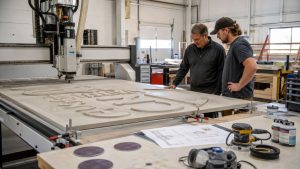
In addition to precision automotive sandblasting, CARV offers specialty sandblasting and routing services for signage and architectural applications, using controlled processes and attention to detail suited for materials like wood, HDU, and more.
- Wholesale Sandblasted Cedar Signs: We create durable, weather-resistant cedar signs with clean, dimensional lettering and textures, ideal for business signage, entrance signs, and community markers.
- Sandblasted HDU Signs: For detailed logos and dimensional lettering, our sandblasted HDU signs offer the look of carved wood without the risk of rot or warping, ensuring long-lasting results.
- Channel Routed and Specialty Signs: Combining CNC routing with finishing techniques, we produce precise, clean-edged, and custom-shaped specialty signs for branded displays and dimensional lettering.
Conclusion
Using a sandblaster for car restoration is an efficient, cost-effective way to revive your vehicle by removing layers of old paint, rust, and corrosion. By selecting the right blasting media, such as crushed glass or glass beads, and using the proper technique, you can prepare the body panels, frame, and other parts of your vehicle for a new coat of primer or paint. This method not only saves time compared to traditional sanding but also ensures a smooth, durable finish that lasts for years and improves paint adhesion.
At CARV, we specialize in expert sandblasting services to ensure your car restoration project is completed with precision. Whether you’re working on small parts or restoring the whole car, our professionals are here to deliver the results you need. Contact us today to get started on bringing your vehicle back to life with top-quality sandblasting!
FAQs
Is sandblasting good for a car?
Yes, sandblasting is great for cars as it effectively removes paint, rust, and corrosion, preparing the surface for refinishing. It’s a fast and efficient way to clean and restore metal surfaces.
What is the best tool to sand a car with?
The best tool to sand a car with is a dual-action (DA) orbital sander. It provides a smooth, even finish and is ideal for both smoothing surfaces and removing imperfections during the car restoration process. For heavy-duty tasks like removing old paint or rust, sandblasting is a useful option, but a DA orbital sander is generally the go-to for precise, controlled sanding on car bodywork.
Does sandblasting warp metal?
Yes, if not done correctly, sandblasting can warp metal, especially thin sheet metal. It’s crucial to regulate pressure and use the right blasting media to prevent damage.
Can a sandblaster remove rust?
Yes, a sandblaster can effectively remove rust from car surfaces. It strips away rust and other contaminants, leaving the metal clean and ready for refinishing.