A bad paint job does more than look rough. Old paint can hide rust spots, trap moisture, and cause new coatings to fail, which is why many restorers and shops choose to sandblast car paint instead of relying on slow mechanical methods like sanding or chemical stripping. If done correctly, sandblasting removes old paint efficiently, exposes hidden problems, and leaves a clean metal surface that is ready for primer.
When the process is not handled properly, however, sandblasting can create new issues. Excess pressure or poor technique can warp sheet metal, damage panels, or lead to flash rust overnight. This guide explains how the sandblasting process works, how to choose the right blast media, and how to control pressure safely. It also helps you understand when professional help makes sense, so you can achieve the best outcome with minimal risk.
What Does It Mean to Sandblast Car Paint?
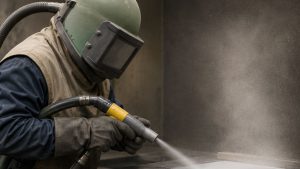
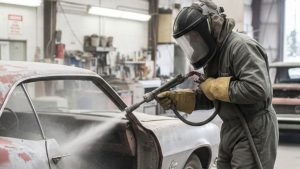
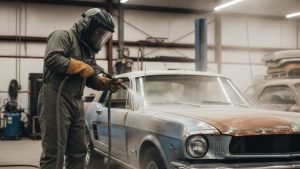
To sandblast car paint is to use abrasive blasting to strip paint, coatings, and surface rust from a car body. An air compressor pushes abrasive media through a nozzle at controlled air pressure, removing paint layer by layer.
Despite the name, modern automotive work rarely uses raw sand. Traditional sand creates silica dust, which is linked to serious health risks like lung cancer. Today, most shops rely on safer, more controlled media blasting options.
Common goals of sandblasting include:
- Removing multiple layers of paint
- Exposing rust hidden under filler
- Preparing bare metal for primer
- Stripping coatings like powder coating
- Cleaning steel parts underneath the vehicle
Why Paint Removal Matters Before a New Paint Job
A new paint job is only as good as the surface underneath it. Painting over old coatings often leads to peeling, bubbling, or uneven finishes.
Proper paint removal helps you:
- Identify hidden rust
- Repair weak areas before they spread
- Ensure primer bonds correctly
- Avoid costly repainting later
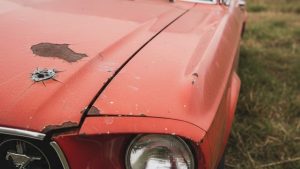
For classic cars, this step is critical. Older vehicles often have unknown repairs, filler, or even lead paint, which requires careful handling. If you see bubbling, cracking, or uneven texture, assume there is more going on beneath the surface.
Sandblasting vs Other Paint Removal Methods
Not every job needs blasting, but blasting is often the most cost-effective option when scale and consistency matter.
| Method | Best Use | Downsides |
| Sanding/grinding | Small areas, edges | Slow, uneven, heat buildup |
| Chemical stripping | Controlled parts | Messy, hazardous, cleanup issues |
| Sandblasting/media blasting | Entire car, frames, panels | Requires skill and setup |
| Soda blasting | Gentle paint removal | Not ideal for heavy rust |
| Plastic media blasting | Paint removal without metal bite | Will not remove rust |
| Dry ice blasting | Cleaning without abrasion | Limited paint stripping ability |
Choosing the Right Blast Media
The biggest mistake people make is choosing the wrong blast media. Different materials behave very differently when they hit metal.
Crushed glass
A popular choice for stripping paint and light rust. Cuts efficiently and works well on steel panels when pressure is controlled.
Glass bead
Smoother and less aggressive. Often used for cleaning rather than heavy stripping.
Baking soda (soda blasting)
Very gentle. Good for paint removal when you want minimal impact on the car’s surface, but not effective for heavy rust.
Plastic media / plastic media blasting
Designed to remove paint without damaging the substrate. Best when rust is not present.
Walnut shells
Mild organic abrasive. Useful for delicate areas or specialty parts.
Aluminum oxide
Aggressive and fast-cutting. Works well on thick steel parts underneath the car, but risky on body panels if used incorrectly.
Rule of thumb
Thin panels need softer media and low pressure. Thick steel underneath the vehicle can handle more aggressive settings.
Air Pressure, Heat, and Warping Risks
Warping does not happen because blasting is dry or wet. It happens when excessive pressure, heat, and poor technique are used on thin automotive metal. The most effective way to reduce risk is to start with low pressure, test on a scrap piece first, and only gradually increase pressure if needed. Keeping the nozzle moving and avoiding prolonged blasting in one area helps prevent heat buildup and uneven stress on the panel.
When abrasive stays focused on a single spot, friction creates heat that stretches the metal. This is what causes panels to warp, especially on large, flat areas like the hood and door skins. Using controlled pressure, proper media, and steady movement allows paint and rust to be removed without damaging the underlying metal.
Wet vs Dry Blasting
You will often hear debates about wet blasting, dustless blasting, and dry blasting, but the differences matter most in how moisture and control affect the metal. Dry blasting typically results in a cleaner jobsite, offers better operator control, and reduces the risk of moisture-related flash rusting, making it a reliable option for most automotive paint removal projects.
Wet blasting, including soda blasting, can help reduce dust and heat during the process, but it also introduces moisture to the surface. If that moisture is not managed properly, rust can form quickly after blasting. For most vehicles, dry blasting with the correct media and carefully controlled pressure delivers the most consistent and predictable results.
Protecting the Car During Blasting
Blasting does not mean blasting everything.
Areas that need protection:
- Glass and windows
- Seals and rubber
- Wiring and electronics
- Trim and chrome
- Thin edges and seams
Masking and containment reduce mess, prevent media damage, and keep abrasives out of areas where they do not belong.
How to Prep a Car Before Sand Blasting
A car that is blast-ready saves time and reduces risk during the sandblasting process. Proper preparation helps protect sensitive components and ensures the abrasive only contacts areas meant to be stripped.
Before blasting, remove trim, chrome, and emblems, take off sensitive parts when possible, and seal all openings and holes. It is also important to decide whether you are blasting individual panels or the entire car. Blasting in a garage or driveway is often possible, but proper containment is essential to control debris and protect surrounding surfaces.
What to Do After the Car Is Sandblasted
Once a car is sandblasted down to bare metal, timing matters.
Post-blast checklist
- Blow off and vacuum all media
- Inspect for rust spots
- Apply a rust inhibitor if the primer will be delayed
- Apply epoxy primer as soon as possible
- Avoid moisture to prevent flash rusting
Leaving bare steel exposed is one of the fastest ways to undo good blasting work.
Common Mistakes to Avoid
Several common mistakes can cause problems during or after sandblasting. Using high pressure on thin panels, choosing overly aggressive media for body panels, and skipping test passes on scrap metal all increase the risk of warping or surface damage. Ignoring safety concerns, such as exposure to silica dust, can also create serious health risks.
Another frequent issue is failing to clean soda residue before priming, which can interfere with paint adhesion. It is also important to remember that blasting does not fix rust. It exposes it so proper repairs can be made. Sandblasting is a preparation step, not a cure-all, and the quality of the final result depends on what happens next.
DIY vs Professional Sandblasting
DIY blasting can work for small or isolated jobs, but removing paint from an entire vehicle requires experience and careful control. The biggest challenges with DIY blasting include equipment costs, a steep learning curve, a high risk of panel damage, and the time required for proper cleanup and media disposal.
Professional blasting offers clear advantages, including correct media selection, precise pressure control, faster turnaround, and cleaner, more consistent results. It also reduces surprises during body work by exposing issues early. For projects involving classic cars, extensive rust, or full repaint preparation, professional sandblasting often saves money and frustration in the long run.
Other Specialty Sandblasting and Routing Services by CARV
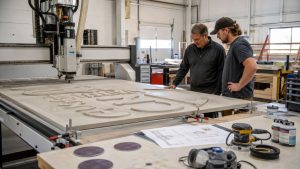
While CARV is known for precision automotive sandblasting, we also provide specialty blasting and routing services for signage and architectural applications. These services use the same controlled processes and attention to detail required in vehicle restoration, adapted for wood, HDU, and specialty materials.
Wholesale Sandblasted Cedar Signs
Our sandblasted cedar signs are built for durability and long-term outdoor use. We work with high-quality cedar and controlled blasting depth to create clean, dimensional lettering and textures that hold up in harsh weather. These signs are commonly used for business signage, entrance signs, and community markers where a natural wood look is preferred.
Sandblasted HDU Signs
For projects that require consistency, sharp detail, and moisture resistance, we offer sandblasted HDU (High-Density Urethane) signs. HDU provides the look of carved wood without the risk of rot or warping, making it ideal for detailed logos, dimensional lettering, and long-term installations.
Channel Routed and Specialty Signs
CARV also produces channel-routed specialty signs, combining CNC routing with finishing techniques to achieve precise depth, clean edges, and custom shapes. These signs are commonly used for branded displays, dimensional lettering, and specialty applications where accuracy and repeatability matter.
These services reflect the same core principle used in automotive sandblasting: match the right process to the material to achieve clean, predictable results without damage.
Conclusion
When done correctly, sandblasting is one of the most efficient and reliable ways to strip paint, expose rust, and prepare a car for new paint. The key is matching the right process, blast media, and pressure to the job so the metal is cleaned without damage and ready for the next stage of restoration.
At CARV, we use controlled automotive media blasting techniques to help vehicle owners and shops achieve clean, predictable results from the start. If you are planning a restoration or repaint and want to avoid costly mistakes, contact us to discuss your project and get expert guidance before blasting begins.
FAQs
Can you sandblast a car before painting?
Yes, a car can be sandblasted before painting if the correct media, pressure, and technique are used. Sandblasting removes old paint and surface rust, creating a clean metal surface for primer. Proper control is essential to avoid warping thin panels.
Can I sandblast the paint off my car?
Yes, you can sandblast the paint off your car, but it requires experience and the right equipment. Using improper media or high pressure can damage sheet metal. Testing on a small area first is strongly recommended.
Do cars get sandblasted before painting?
Yes, many cars are sandblasted before painting, especially during restorations or full repaints. Sandblasting helps expose hidden rust and removes multiple layers of old paint. It allows the new paint system to bond properly to the metal.
Is sandblasting good for a car?
Sandblasting is good for a car when done correctly and for the right reasons. It is especially effective for removing old paint and rust during restoration work. When done improperly, however, it can cause damage, so proper technique matters.