How Much Does It Cost to Sandblast a Car? A Comprehensive Guide
Last updated: June 15, 2026
Restoring or refinishing a car is an exciting project, and one of the most effective ways to prep the vehicle is through sandblasting, also called abrasive or media blasting. This method removes old paint, rust, and contaminants, giving your car a clean surface for restoration. Before diving in, it’s important to understand the factors that influence sandblasting and how to prepare your car.
Before diving in, it’s important to understand the factors that influence sandblasting and how to prepare your car. Contact a professional sandblasting service today to get a personalized estimate and ensure safe, effective results for your vehicle.
What Is Sandblasting?
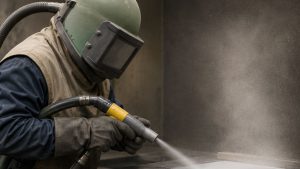
Sandblasting, or dry abrasive blasting, uses high-pressure air to propel abrasive materials against a surface. Common media include plastic, crushed glass, and aluminum oxide, which strip layers of paint, rust, and debris. This process prepares the surface for refinishing or repainting.
Note: True sand is no longer used because inhaling crystalline silica can cause serious lung disease (Silicosis). More accurate terms include media blasting, grit blasting, or shot blasting.
What Factors Affect Sandblasting Costs?
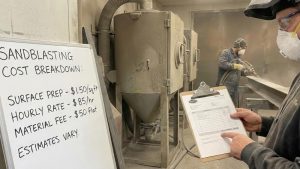
The main factors influencing the final price of a sandblasting job include:
- Surface Material: Different materials require different techniques and abrasive hardness. Stripping delicate wood or soft aluminum costs more than blasting heavy steel or iron, as it requires highly specialized media and a lighter touch to prevent surface damage.
- Surface Condition: The thickness and type of existing coatings or rust matter. Heavily rusted steel or multiple layers of baked-on paint require significantly more time and stronger abrasives to remove than a light coat of surface grime.
- Project Size & Complexity: Large, flat open areas (like a long fence or wall) are faster to blast and are usually priced by the square foot. Intricate, hard-to-reach, or highly detailed pieces (like automotive rims or classic car bodies) require careful, slow manual labor and are often billed hourly.
- Abrasive Media: The type of material used dictates both the speed of the project and the average cost. Engineered or specialized media can be initially pricier per pound but may decrease total labor time and yield a higher return on investment.
- Labor & Site Prep: Costs vary depending on whether the job can be done on-site or in a controlled booth. Extensive prep work, such as masking delicate components, building environmental enclosures to catch dust, and adhering to strict safety or permit requirements, drives up the price.
Preparing Your Vehicle for Sandblasting
Preparing your vehicle for sandblasting (or media blasting) is vital for exposing bare metal without warping the panels. The essential steps include dismantling all delicate trim, sealing the cabin to prevent abrasive dust from entering, and deeply cleaning the exterior to remove heavy grease and road grime.
Proper preparation ensures the process is efficient and prevents costly damage to sensitive components. The best process for preparing a vehicle follows these specific steps:
1. Disassemble and Strip the Vehicle
Remove everything that does not need to be blasted to prevent it from getting scratched, dented, or warped by the abrasive media.
- Exterior Trim: Take off emblems, handles, chrome trim, side mirrors, and lighting assemblies.
- Glass and Rubber: Completely remove windshields, windows, and all rubber weather stripping.
- Mechanicals: Strip the vehicle down as much as possible. It is highly recommended to remove doors, hoods, and trunk lids to be blasted individually, which provides better access to hidden crevices.
2. Deep Clean the Exterior
Abrasive media will embed dirt into the metal if the vehicle’s surface is not completely clean.
- Use a heavy-duty automotive degreaser to wash away road tar, grease, and loose dirt.
- Pressure wash the undercarriage and engine bay to eliminate caked-on mud and debris.
3. Mask and Protect Sensitive Areas
For parts that cannot be removed, rigorous masking is required.
- Protect all non-blasting surfaces (such as intricate wiring, engine internals, or finished interior cabins) with high-quality, multi-layered protective sheeting and heavy-duty automotive painter’s tape.
- Seal all openings, gaps, and holes tightly to prevent abrasive dust from entering the chassis or interior.
4. Choose the Right Abrasive Media
For automotive panels, traditional silica sand is often too aggressive and can cause severe warping or heat damage. Discuss the best blasting medium for your specific project with your technician:
- Crushed Glass / Glass Beads: Great for stripping old paint smoothly without damaging the underlying metal.
- Plastic Media: Soft and ideal for delicate, thin metal sections or lightweight trims.
- Walnut Shells: A biodegradable, softer media suitable for stripping paint without altering softer metallic surfaces.
DIY vs Professional Sandblasting
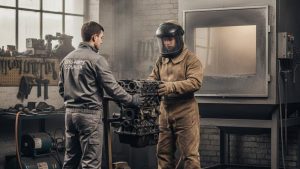
While DIY sandblasting can be cost-effective for small, non-delicate projects if you’re mechanically inclined, professional sandblasting services are strongly recommended for most vehicles, large-scale jobs, heavy rust, or delicate surfaces. Professionals ensure optimal safety, precise equipment handling, and environmental compliance, reducing the risk of costly mistakes.
1. Cost
- DIY: You can purchase or rent basic equipment for minor jobs. Large DIY setups require a massive air compressor and substantial abrasive media, increasing costs and complexity.
- Professional: Professionals handle everything efficiently, ensuring proper results without the need to buy and maintain expensive equipment. While the upfront cost may be higher, it eliminates potential mistakes and wasted materials.
2. Safety & Environment
- DIY: Sandblasting is high-risk and produces a lot of dust. Proper PPE, ventilation, and containment are essential, but even then, mistakes can damage materials or create unsafe conditions.
- Professional: Trained operators work in controlled environments with industrial-grade ventilation and dust-collection systems. This protects both the operator and the surrounding areas while maintaining consistent results.
3. Time & Efficiency
- DIY: Beginners often face a steep learning curve. Stop-and-go work, incorrect media selection, or improper pressure settings can make projects take much longer.
- Professional: Professionals complete projects quickly and accurately. Their expertise ensures even coverage, prevents warping, and avoids missed spots, saving both time and money in the long run.
When to Choose a Professional
Even if DIY may work for small car parts or quick garage projects, professional sandblasting is the best choice for:
- Heritage or classic car restoration
- Full vehicle frames or large surfaces
- Delicate metals or intricate sheet metal
- Wood or composite surfaces, where errors could cause structural damage
Partnering with a professional sandblasting service gives peace of mind, high-quality results, and long-lasting protection for your vehicle or project.
Risks of Sandblasting and How to Avoid Them
While sandblasting is an effective method for restoring your car, it comes with several potential risks, both for the vehicle and the people involved in the process. These risks include:
Damage to the Car
If not performed properly, sandblasting can cause panel warping or damage the metal surface. The abrasive material and pressure must be carefully controlled to prevent undesirable effects on the car’s body. For classic cars or delicate surfaces, it’s essential to work with an experienced professional who can avoid such damage.
Incorrect Media Selection
Choosing the wrong abrasive material can result in an overly rough finish or even wear through the vehicle’s surface. Different media types, such as plastic media or crushed glass, are suited to various types of vehicles and surfaces, so selecting the right material is critical for achieving the best results without causing harm to the car.
Health Risks (For Workers and Car Owners):
The primary health concern with sandblasting is the inhalation of dust and airborne particles. These can include:
- Silica Dust: Found in many sandblasting operations, silica dust is a major contributor to lung diseases, such as silicosis, especially when not controlled properly.
- Toxic Metals: Some abrasive blasting materials contain heavy metals, including lead and chromium, which can cause serious health issues when inhaled.
- Particulate Matter: Fine dust particles can penetrate deep into the lungs, leading to both short-term respiratory issues and long-term health complications.
To minimize these risks, ensure the sandblasting company you choose uses eco-friendly abrasives and incorporates dust control measures such as dustless blasting or wet blasting, which help reduce airborne contaminants.
Vehicle Types and Special Considerations
- Classic Cars – require delicate media to preserve curves and finishes.
- Trucks – a larger surface area may require longer prep and media use.
- Motorcycles – small parts and chrome require gentle blasting.
- Aluminum Bodies – need softer media to prevent warping.
Tools & Equipment
- Handheld Blasters – portable, ideal for small projects
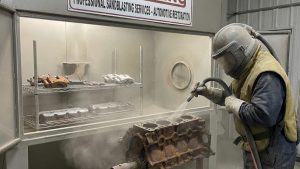
- Cabinet Blasters – enclosed, safe, precise
- Pressure-fed Blasters – industrial strength for large vehicles
Conclusion
Sandblasting is a critical step in vehicle restoration, providing a clean, even surface that ensures new paint or coatings adhere properly and last longer. Proper preparation, media selection, and professional execution reduce the risk of surface damage, improve efficiency, and deliver consistent results across all vehicle types.
For high-quality sandblasting services, CARV offers professional expertise for cars, trucks, and specialty vehicles. Contact CARV today to schedule your personalized sandblasting project and ensure your vehicle receives safe, precise, and long-lasting results.
FAQs
Will rust return after sandblasting?
Yes, if the metal is exposed to moisture and oxygen. Apply protective coatings immediately to reduce rust risk.
How long does sandblasting take?
Time varies based on vehicle size, surface condition, and media used. Simple projects may take a few hours, complex vehicles longer.
What factors influence cost?
Vehicle size, condition, media type, and labor all play a role. Always request a professional estimate.
How to choose the right media?
Match the media type to your vehicle’s surface and coating type. When in doubt, consult a professional.