Imagine your dream classic car: its body shining, the paint fresh, the surface smooth, and free from rust and old contaminants. But before this dream can become a reality, there’s a crucial step in the restoration process: sandblasting. Sandblasted car surfaces not only get rid of old paint and surface rust, but they also prepare the metal for a flawless new coat. In fact, without sandblasting, your restoration project might run into serious issues with paint adhesion and long-term durability.
In this guide, we’ll walk you through everything you need to know about sandblasting a car, from the process to choosing the right blasting media, and how it affects the final restoration results. If you’re ready to transform your vehicle into a true masterpiece, then keep reading.
What is Sandblasting?
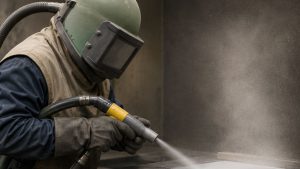
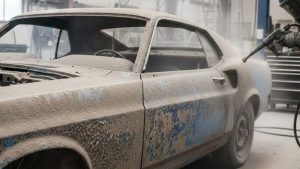
Sandblasting, also known as abrasive blasting, is the process of using high-pressure streams of abrasive materials to clean, strip, or prepare a surface. In automotive restoration, it’s commonly used to remove old paint, surface rust, and other contaminants from a vehicle’s body, giving it a smooth, clean surface ready for fresh paint or restoration.
Unlike traditional methods of sanding, sandblasting works much faster and more effectively by targeting large areas of a car’s surface in a short amount of time. Using the right abrasive blast media, it can remove years of buildup without damaging the underlying metal if done correctly.
Types of Sandblasting for Cars
There’s no one-size-fits-all when it comes to sandblasting a car. The type of blasting method and abrasive material you choose will depend on the car’s surface, the level of contamination, and the desired outcome. Here are the most common types:
Dry Blasting
Dry blasting is the most common sandblasting method used for car restoration. It uses abrasive materials like aluminum oxide, crushed glass, or glass beads to strip away paint and rust. This makes it highly effective for large, flat surfaces such as steel panels and frames. While it’s fast, effective, and cost-efficient, it does produce a lot of dust, which may require additional cleanup.
Wet or Vapor Blasting
Wet blasting combines water with abrasive materials to reduce dust and cool the metal, preventing warping. It’s ideal for classic cars or sensitive surfaces like trim pieces or fiberglass. While it’s gentler on delicate parts and produces less dust, it is slower than dry blasting and may require additional cleanup.
Plastic Media Blasting
Plastic media blasting uses soft plastic beads. This makes it perfect for stripping paint from delicate plastic and composite parts, such as bumpers or trim, without damaging the underlying material. It’s often used for intricate details or parts requiring a gentler touch. While it’s gentle on delicate materials, it’s not effective for rust removal. Best suited for non-metal parts, fiberglass, plastic, and composite materials.
Why Sandblast Your Car?
Sandblasting a car is essential for efficient removal of old paint, rust, and surface contaminants, allowing new paint or epoxy primer to adhere better. The process also enhances surface preparation by roughening the metal, ensuring a stronger bond for the new coating and increasing its longevity.
While the initial cost of sandblasting may seem high, it is a cost-effective solution in the long run. By reducing the amount of labor needed for sanding and vehicle preparation, sandblasting ultimately saves time and money. This makes it a smart investment for any restoration project.
The Sandblasting Process
The sandblasting process is straightforward but requires a skilled operator to avoid damaging the vehicle’s metal. Here’s what to expect:
- Preparation: Before starting, the car must be prepped. This includes removing or masking windows, trim pieces, and any delicate areas that could be damaged. This is crucial, as fragile areas like rubber seals or glass can get scratched or broken during blasting.
- Blasting: The blasting technician will then apply abrasive material to the surface, using a stream of compressed air to direct the media at the vehicle. The type of media used depends on the condition of the car and the areas being targeted. For rust removal, harder media like aluminum oxide or crushed glass is typically used.
- Finishing: After the sandblasting is complete, the technician will clean the surface, remove all abrasive material, and prepare the car for surface preparation like epoxy primer application.
- Protection: Once the surface is stripped down to bare metal, it’s essential to apply a protective coating immediately to prevent rust from forming.
Choosing the Right Sand Blasting Media
Choosing the right abrasive material is critical to achieving the best outcome. Here are some options:
- Crushed Glass: A popular choice for paint removal because it’s effective and doesn’t damage the metal.
- Glass Beads: Ideal for media blasting and creating a smooth surface.
- Plastic Beads: Used for softer materials like fiberglass or composite parts.
- Aluminum Oxide: A harder abrasive, perfect for stripping heavy layers of paint and rust removal on steel or other durable metals.
- Baking Soda: Not recommended for automotive applications as it can leave residues that are difficult to clean and may affect electrical systems.
How to Prepare Your Car for Sandblasting
Before sandblasting, proper preparation is crucial to achieving the best results and protecting sensitive areas of your vehicle. Begin by removing any trim pieces, such as chrome, rubber seals, and handles that could be damaged during the blasting process. These parts can easily get scratched, dented, or warped by the abrasive media. If certain parts, like windows or trim, cannot be removed, take extra care to mask them off with protective sheeting or painter’s tape to shield them from accidental damage.
Next, thoroughly inspect the vehicle for surface rust or multiple layers of paint. If you find extensive rust or several coats of old paint, these areas may require more aggressive blasting techniques to ensure full removal. Identifying these issues beforehand allows the sandblasting technician to adjust the technique, ensuring a smooth and consistent finish. It’s also important to check for fragile areas like thin metal sections or intricate parts that may need to be masked off or treated more delicately during the blasting process. Proper prep ensures the sandblasting job is done efficiently, without risking damage to the vehicle.
The Cost of Sandblasting a Car
Sandblasting prices can vary based on several factors:
- Size of the Vehicle: Larger vehicles or trucks take more time and cost more to sandblast.
- Condition of the Car: The more rust or layers of paint, the higher the cost.
- Additional Services: Some sandblasting professionals offer services like applying primer or handling transportation, which can affect the final cost.
- Type of Media Used: More specialized abrasive materials like superoxalloy can be more expensive but provide better results.
Expect to pay anywhere from $1,200 to $3,000 for a professional sandblasting service, depending on these factors.
Will Rust Return After Sandblasting?
After sandblasting, the car’s bare metal surface is exposed to moisture, which can lead to rust formation if not protected properly. To prevent this, apply a protective coating or epoxy primer immediately after stripping the paint. This coating creates a strong barrier against moisture, preventing corrosion from setting in and ensuring the metal stays intact for the next phase of restoration.
In addition, it’s essential to store the vehicle in a dry, controlled environment to minimize the risk of moisture exposure. Ensure the garage or storage area is well-ventilated and free from humidity. Regular maintenance, including checking for surface rust or paint chips, and timely body work, will also help keep the restoration intact, preserving the car’s condition for years to come.
Other Services Offered by CARV
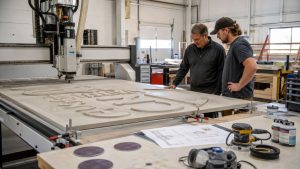
At CARV, we don’t just specialize in automotive sandblasting; we also provide a wide range of custom sandblasting services for signage, offering top-tier quality in materials and design. Here are a few of the other services we offer that can help you achieve high-quality, durable signs for your business or property:
Wholesale Sandblasted Cedar Signs
Wholesale sandblasted cedar signs are perfect for businesses looking to create rustic, durable signage with a natural, timeless appeal. The cedar wood used in these signs provides a beautiful, long-lasting finish that can withstand the elements. Whether you need signage for your storefront or a personalized, branded sign for a project, sandblasted cedar signs offer a great combination of aesthetics and durability.
Sandblasted HDU Signs
High-Density Urethane (HDU) signs are a popular choice for businesses seeking both durability and a high-end aesthetic. Sandblasted HDU signs provide an elegant look, with the same precision and care as traditional sandblasting, but with the added benefit of superior weather resistance. These signs are ideal for outdoor use and are resistant to warping or cracking, ensuring a long lifespan for your investment.
Channel Routed Specialty Signs
Channel-routed specialty signs offer a more intricate, custom look. These signs are created using advanced techniques to carve out lettering and designs with sharp, precise lines. This makes them stand out in any environment. Ideal for businesses, real estate, or artistic projects, channel routed signs are perfect for those needing unique and eye-catching signage solutions.
Conclusion
Sandblasting is a crucial step in any car restoration project, whether you’re working on a classic car or prepping a newer vehicle for a fresh coat of paint. It’s the most efficient way to remove old paint, rust, and other contaminants, ensuring a clean, smooth surface for restoration. With the right abrasive media and proper techniques, you can achieve the best results for your vehicle.
At CARV, we specialize in automotive sandblasting and are committed to providing high-quality, efficient service. If you’re ready to bring your vehicle back to life, contact us today for a free estimate. We’re here to guide you through every step of the restoration process.
FAQs
What does sandblasting a car do?
Sandblasting a car removes old paint, rust, and other surface contaminants, preparing the metal for new paint or restoration work. It helps create a clean and slightly roughened surface that improves the adhesion of paint or primer. This process is essential for achieving a smooth and durable finish on a vehicle.
What are the disadvantages of sand blasting?
One of the main disadvantages of sandblasting is the production of a significant amount of dust, which may require extra cleanup. Additionally, improper technique or abrasive material can cause damage to delicate parts, especially on older or sensitive surfaces. Finally, sandblasting can be time-consuming and expensive, particularly for larger or more intricate restoration projects.
Can you fix a sandblasted windshield?
If a windshield has been sandblasted, it may suffer from permanent damage, including scratches or weakened glass, making it difficult to repair. In some cases, small imperfections can be polished out, but severe damage usually requires a full replacement. Sandblasting is not typically recommended for glass, as it can compromise its integrity and visibility.
Does sandblasting damage glass?
Yes, sandblasting can damage glass if not done carefully. The abrasive media can create scratches or etchings on the surface, affecting its clarity and strength. It’s important to mask off glass areas during sandblasting to prevent accidental damage.