Last updated: June 6, 2026
Restoring a car to its original glory requires careful attention to detail, especially when it comes to removing layers of old paint, rust, and other contaminants. If you’ve ever considered restoring or refinishing your car, you’ve likely encountered the term sandblasting. But what exactly does sandblasting entail, and how much does it cost? Understanding the average cost to sandblast a car is crucial before diving into this essential restoration process.
Whether you’re restoring a classic vehicle or preparing for a fresh paint job, sandblasting offers a quick and efficient way to clean and prep your vehicle’s metal surface. However, the cost of sandblasting can vary widely depending on several factors. In this guide, we’ll break down everything you need to know about the costs, the process, and how to ensure you’re getting the best value for your investment.
What Factors Affect the Cost to Sandblast a Car?
Before we dive into the costs, let’s explore the main factors that influence the overall cost of sandblasting a car. Knowing these will help you estimate the expense and avoid any surprises.
1. Vehicle Size and Complexity
One of the most significant factors affecting the sandblasting cost is the size of the vehicle. Larger vehicles such as trucks, vans, or SUVs require more time and abrasives to clean the entire surface, which can increase the price. A simple sedan will be less expensive to blast than a large truck with multiple body parts and intricate designs.
Classic and custom cars, especially those with body panels that require extra care, can also push the cost higher. These vehicles often have more delicate metal surfaces and require skilled labor to avoid damage. Therefore, a whole car sandblasting job, especially if it includes additional features like engine compartments and interiors, may cost significantly more than a basic exterior sandblasting.
2. Condition of the Vehicle
The condition of the vehicle’s surface directly impacts the cost of sandblasting. If your car is covered in layers of old paint, rust, or other contaminants, the sandblasting company will need to invest more time and abrasive material to thoroughly clean the surface.
- Rusty cars: If your car has extensive rust or corrosion, it may require more aggressive abrasive blasting techniques and additional preparation work before the blasting can begin.
- Paint stripping: Removing multiple layers of old paint and coatings also adds to the time and effort required, increasing the cost.
3. Type of Abrasive Material Used
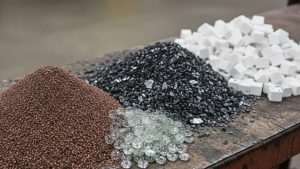
The abrasive material or media used for sandblasting can significantly affect the cost. Different abrasive materials offer different levels of effectiveness, and some are more expensive than others. Common materials include:
- Crushed Glass: This material is a popular choice for many restoration projects, offering a balance between cost and effectiveness. It’s ideal for most metal surfaces and can help achieve a smooth finish without damaging the vehicle’s sheet metal.
- Plastic Media Blasting: This gentler material is often used for delicate cars or areas that require precision. It’s typically more expensive than crushed glass.
- Soda Blasting: Known for being eco-friendly, soda blasting is used to remove paint without damaging the underlying surface. It’s great for sensitive areas but can come with a higher cost.
- Aluminum Oxide: Used for tougher surfaces, aluminum oxide is an aggressive abrasive material perfect for industrial applications, but typically comes at a higher cost.
Each abrasive material comes with a specific price point, and depending on your vehicle’s condition and needs, the choice of media can make a significant difference in the cost of sandblasting.
4. Labor and Time
The hourly rate for labor can also play a significant role in determining the overall price of sandblasting services. The more intricate the job, the longer it will take, which directly impacts labor costs.
For example:
- Simple jobs: A quick exterior sandblasting for a smaller, less complex car could take as little as 2 to 4 hours.
- Complex jobs: A full restoration job or sandblasting a rusty car with a lot of detailed work may take 6 or more hours, especially when using dustless blasting or dry ice blasting to reduce damage to the car.
The labor costs will vary by region, with areas that have a higher cost of living generally charging more for services. Additionally, the skill level of the technician can impact pricing; an experienced sandblasting company will charge a higher rate but will also deliver a more professional result.
5. Location and Environmental Regulations
In some areas, sandblasting services are subject to strict environmental regulations due to the hazardous nature of some abrasives and the dust they produce. As a result, businesses in these areas may need to invest in specialized equipment to ensure they meet environmental standards, which can increase the cost.
For example:
- Dustless blasting: This method, which involves mixing water with the abrasive, is more expensive than traditional sandblasting but is necessary in areas with stringent dust control laws.
- Permitting: Some sandblasting projects, especially in commercial or industrial settings, may require permits, adding additional costs.
Location and environmental concerns should always be considered when determining the cost of sandblasting.
What’s the Average Cost to Sandblast a Car?
Now that we’ve covered the factors influencing the price, let’s talk about the actual numbers. The average cost to sandblast a car can vary widely, but here’s a general breakdown:
- Basic Car Sandblasting (Exterior Only): For a small sedan or truck with minimal rust and paint, the cost typically ranges from $500 to $1,500.
- Full Restoration Sandblasting: If you’re looking to sandblast the entire car, expect to pay anywhere from $1,500 to $3,500, depending on the size and condition of the car.
- Classic or Custom Car Sandblasting: Classic car restoration often requires extra care, and costs can go up to $3,500 or more, depending on the complexity of the restoration project.
This price range reflects variations in vehicle size, abrasive materials, location, and labor time. Always request a detailed estimate to ensure you’re aware of the overall cost before starting the project.
Understanding the Sandblasting Process
Sandblasting involves several steps to ensure the surface of the vehicle is prepared for a fresh paint job or restoration work. Here’s what you can expect:
- Preparation: The first step involves masking off areas that shouldn’t be blasted, like windows, trim, and delicate components. Some parts may need to be removed or disassembled to allow full access to the vehicle’s surface.
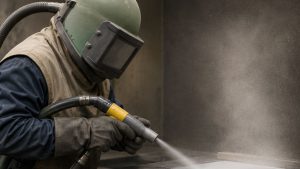
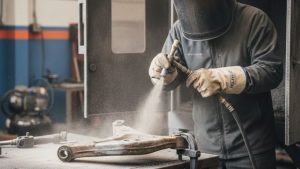
- Blasting the Car: Once prepared, the vehicle undergoes the media blasting process, where abrasive material is blasted against the metal surface to remove old paint, rust, and other contaminants. Depending on the materials chosen (like plastic media blasting or crushed glass), the vehicle’s finish will be either smooth or slightly textured.
- Post-Blasting Care: After the sandblasting job, the vehicle is cleaned to remove any leftover abrasive particles. The metal surface may be primed or treated with a rust inhibitor to prevent future corrosion.
Risks of Sandblasting and How to Avoid Them
While sandblasting is an effective method for restoring your car, it comes with several potential risks, both for the vehicle and the people involved in the process. These risks include:
Damage to the Car
If not performed properly, sandblasting can cause panel warping or damage the metal surface. The abrasive material and pressure must be carefully controlled to prevent undesirable effects on the car’s body. For classic cars or delicate surfaces, it’s essential to work with an experienced professional who can avoid such damage.
Incorrect Media Selection
Choosing the wrong abrasive material can result in an overly rough finish or even wear through the vehicle’s surface. Different media types, such as plastic media or crushed glass, are suited to various types of vehicles and surfaces, so selecting the right material is critical for achieving the best results without causing harm to the car.
Health Risks (For Workers and Car Owners):
The primary health concern with sandblasting is the inhalation of dust and airborne particles. These can include:
- Silica Dust: Found in many sandblasting operations, silica dust is a major contributor to lung diseases, such as silicosis, especially when not controlled properly.
- Toxic Metals: Some abrasive blasting materials contain heavy metals, including lead and chromium, which can cause serious health issues when inhaled.
- Particulate Matter: Fine dust particles can penetrate deep into the lungs, leading to both short-term respiratory issues and long-term health complications.
To minimize these risks, ensure the sandblasting company you choose uses eco-friendly abrasives and incorporates dust control measures such as dustless blasting or wet blasting, which help reduce airborne contaminants.
Conclusion
Sandblasting is a vital step in the car restoration process, effectively removing rust, old paint, and contaminants to prepare the surface for new coatings. It not only ensures that the surface is clean but also enhances the adhesion of the new paint, improving the overall finish and longevity of your vehicle’s exterior. Understanding the factors that influence the cost of sandblasting can help you make an informed decision and keep your restoration project on track and within budget.
At CARV, we specialize in providing top-quality sandblasting services tailored to your vehicle’s needs. Our team uses state-of-the-art equipment and eco-friendly abrasive materials to ensure precision and safety. Whether you’re restoring a classic car or preparing a vehicle for a fresh paint job, we offer expert sandblasting solutions that meet the highest standards. Contact us today for a personalized estimate, and let our experts guide you through the restoration process with unmatched quality and care.
FAQs
Is it worth it to sandblast a car?
Yes, sandblasting is definitely worth it if you’re looking to restore or refinish your car. It’s a highly effective method for removing old paint, rust, and other contaminants, which provides a clean surface for new coatings. It can save time and ensure that the new paint adheres better, resulting in a more durable and professional finish. However, it’s important to choose a professional with experience to avoid damaging your vehicle.
How many hours does it take to sandblast a car?
The time it takes to sandblast a car depends on the size of the vehicle and the extent of the job. On average, it takes 2 to 6 hours to sandblast a standard car. More complex jobs, such as those requiring multiple layers of paint removal or rust treatment, may take longer. Custom vehicles or classic car restorations could take even more time.
Will rust come back after sandblasting?
Rust can come back after sandblasting if the vehicle’s surface isn’t properly treated afterward. While sandblasting effectively removes rust, it does not prevent new rust from forming. To avoid future rust, it’s essential to apply a rust inhibitor or protective primer immediately after sandblasting, especially if the car will be exposed to moisture or oxygen.
Can I paint over sandblasted metal?
Yes, you can paint over sandblasted metal, and in fact, it’s recommended. Sandblasting creates a clean, rough surface that helps the paint adhere better, resulting in a more durable finish. After sandblasting, ensure the metal is clean and free of any residual abrasives, and then apply a primer to protect the metal before painting.