What Is an HDU Sign? Benefits, Uses, and Why Choose It
If you’re asking, “What is an HDU sign?” the short answer is that it is a sign made from High-Density Urethane. Also known as high-density urethane HDU, this durable material is widely used for dimensional signage, monument signs, and custom business signs. Many companies choose HDU signs because they offer the appearance of carved wood without many of the maintenance concerns associated with natural wood.
CARV offers wholesale HDU signs for sign shops, agencies, contractors, and partners that need dependable production support. Our team can manufacture routed HDU signs, sandblasted HDU signs, dimensional panels, and custom sign components based on approved artwork and project specifications.
What Does HDU Stand For?
HDU stands for High-Density Urethane. It is a rigid polyurethane foam specifically developed for sign manufacturing. Unlike standard foam products, HDU features a dense, closed-cell structure that resists moisture and supports detailed carving.
Many sign makers prefer HDU because it combines the lightweight properties of foam with exceptional strength. This balance allows fabricators to create larger signs without adding excessive weight during installation.
What Is an HDU Sign?
An HDU sign is a sign fabricated from high-density urethane panels. These sign panels can be carved, routed, sandblasted, painted, and customized to match almost any brand or design style.
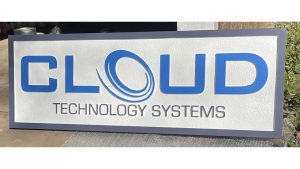
Unlike flat signs, many HDU signs feature dimensional letters, carved details, textures, and custom graphics. The result is a visually appealing sign that stands out on buildings, monument structures, and commercial properties.
What Are HDU Signs Made Of?
HDU signs are made from high-density urethane foam. This material differs significantly from standard polyurethane foam products used for insulation or packaging. HDU is specifically engineered for signage production and outdoor use.
Manufacturers produce HDU panels in different thicknesses and densities. Precision Board is one of the most recognized products in the market. These panels remain knot-free and free from many natural imperfections found in wood signs.
Why HDU Differs From Other Materials
Many businesses compare HDU with other materials such as wood, metal, acrylic, and stone. While each material has advantages, HDU offers a unique combination of durability and design flexibility.
Key physical characteristics include:
- Lightweight construction
- Moisture resistance
- Smooth or textured surfaces
- Easy carving and routing
- Weather-resistant performance
These benefits help make HDU signage a cost-effective solution for many projects.
How Are HDU Signs Made?
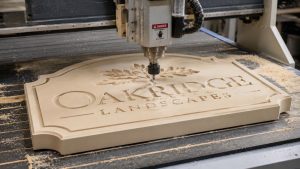
The manufacturing process for HDU signs combines design, carving, finishing, and installation. Each step helps create a finished sign that reflects the customer’s brand and desired appearance.
Design and Layout
Every project begins with a custom design. During this stage, designers create layouts, determine sign dimensions, and prepare artwork files.
Businesses often provide logos, graphics, colors, and branding guidelines to help shape the final design.
CNC Routing and Carving
After approval, the HDU panels move into production. CNC equipment begins routing letters, logos, decorative borders, and custom details.
Routing allows sign makers to create precise dimensional features that would be difficult to achieve by hand.
Sandblasting and Texturing
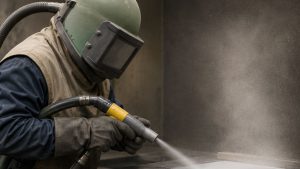
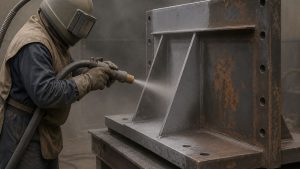
Many HDU signs also undergo sandblasting. This process removes portions of the surface to create textures and recessed backgrounds.
Sandblasted HDU signs are especially popular for monument signs, parks, resorts, churches, and community entrances.
Painting and Finishing
Once carving is complete, technicians apply primers and paint systems. Multiple colors may be used to highlight graphics, letters, and decorative elements.
A properly painted sign helps improve weather resistance while enhancing overall appearance.
Installation
The final step is installation. Depending on the project, signs may be mounted to walls, posts, stone structures, stucco surfaces, or monument bases.
Professional installation helps support long-term performance and ensures the sign remains secure.
Why Do Businesses Choose HDU Signs?
Many businesses choose HDU because it offers the appearance of carved wood without many of wood’s common weaknesses. Unlike natural wood, HDU does not contain knots and is less likely to crack, warp, bow, rot, or swell when exposed to moisture.
Research cited by the Sign Research Foundation found that one business reported a 16% increase in weekly sales after making major sign improvements and additional visibility upgrades. This shows why investing in a durable, professional sign can support more than appearance. It can also improve customer attention and business performance.
Additionally, HDU provides excellent design flexibility. Businesses can create dimensional letters, detailed graphics, textured backgrounds, and custom shapes that reinforce their brand identity.
Benefits of HDU Signs
Several advantages contribute to the popularity of HDU signage.
| Benefit | Business Advantage |
| Lightweight | Easier handling and installation |
| Durable Material | Longer service life |
| Weather Resistant | Better outdoor performance |
| Easy to Carve | More design options |
| Moisture Resistant | Reduced maintenance |
| Cost Effective | Long-term value |
Because of these benefits, many customers prefer HDU over traditional wood signs and some other materials.
Are HDU Signs Better Than Wood Signs?
Wood signs remain popular because of their natural appearance. Materials such as can create beautiful signage with rustic charm. However, wood requires more maintenance and is more vulnerable to environmental conditions.
HDU offers a similar carved appearance while reducing many of the concerns associated with natural wood.
| Feature | HDU | Wood |
| Rot Resistance | Yes | No |
| Moisture Resistance | Excellent | Moderate |
| Crack Resistance | High | Lower |
| Weight | Lightweight | Heavier |
| Maintenance | Lower | Higher |
| Surface Consistency | Knot Free | Natural Variations |
For many commercial projects, HDU provides better durability while maintaining a premium appearance.
How Long Do HDU Signs Last?
A professionally fabricated HDU sign can last 10 to 20 years or longer with proper care. Lifespan depends on paint quality, installation methods, climate conditions, and ongoing maintenance.
Unlike wood signs, HDU does not absorb water. This helps prevent rot, swelling, and many forms of deterioration. As a result, businesses often save money on repairs and maintenance throughout the sign’s life.
Are HDU Signs Good for Outdoor Use?
HDU signs perform exceptionally well outdoors because they are designed to resist moisture, temperature changes, and everyday exposure. Unlike wood, HDU does not readily absorb water, making it a weather-resistant option for long-term signage.
Many businesses use HDU signage for monument signs, entrance signs, and building signs because of its durability. When combined with quality paint systems and proper installation, an HDU sign can maintain its appearance for years in both indoor and outdoor environments.
Why HDU Performs Well Outdoors
Several features make HDU suitable for exterior signage:
- Moisture-resistant construction
- Reduced risk of rot and decay
- Lower chance of warping or swelling
- Strong paint adhesion
- Durable surface for long-term use
These qualities make HDU a practical choice for businesses that want signage with lasting value.
Sandblasted HDU vs Routed HDU Signs
Businesses often choose between sandblasted HDU signs and routed HDU signs. Both options use the same durable material, but each creates a different visual effect.
Sandblasted signs feature textured backgrounds and a handcrafted appearance. Routed signs use CNC equipment to create cleaner lines and sharper details. The right option depends on the desired style and project goals.
| Feature | Sandblasted HDU | Routed HDU |
| Appearance | Textured | Clean and Modern |
| Style | Traditional | Contemporary |
| Surface Detail | Natural Textures | Sharp Lines |
| Common Uses | Parks, Resorts, Communities | Offices, Retail, Commercial Buildings |
| Production Method | Sandblasted | CNC Routed |
When to Choose Sandblasted HDU
Many organizations choose sandblasted HDU signs when they want a classic or handcrafted appearance. These signs are common in parks, golf courses, churches, resorts, and community entrances.
When to Choose Routed HDU
Routed HDU signs work well for modern branding. Their crisp details and dimensional graphics help businesses create a polished and professional image.
What Types of Businesses Use HDU Signs?
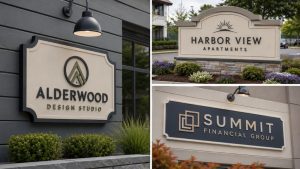
One reason HDU remains popular is its versatility. The material supports a wide range of signage applications across different industries and property types.
Because HDU can be carved, routed, painted, and customized, it adapts easily to different branding goals and architectural styles.
Common HDU Sign Applications
Many businesses use HDU signs for:
- Monument signs
- Business entrances
- Office parks
- Retail stores
- Restaurants
- Resorts
- Golf courses
- Churches
- Community entrances
- Directional signage
These applications benefit from HDU’s durability, dimensional appearance, and design flexibility.
Professional Offices and Commercial Buildings
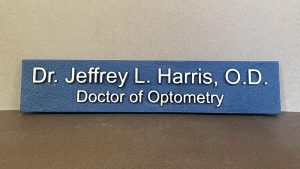
Professional offices often use HDU signs to create a strong first impression. Dimensional letters, custom graphics, and premium finishes help reinforce brand identity while improving visibility.
Commercial buildings also benefit from HDU because the material can be customized to complement existing stone, stucco, brick, or architectural elements.
How Much Does an HDU Sign Cost?
The cost of an HDU sign varies based on several factors. Every project is unique, so pricing depends on the sign size, thickness, design complexity, finishing requirements, and installation needs.
Larger signs typically require more material and production time. Additional details such as carved graphics, multiple paint colors, custom textures, and specialized mounting systems can also affect cost.
Factors That Influence Pricing
Common cost factors include:
- Sign dimensions
- HDU thicknesses
- Design complexity
- Number of colors
- Carved details
- Installation requirements
- Mounting hardware
- Production timeline
Businesses should evaluate overall value rather than focusing solely on initial cost. A durable sign often delivers better long-term performance and lower maintenance expenses.
Is an HDU Sign Right for Your Business?
An HDU sign is often a good choice for businesses that want durable, dimensional signage with a professional appearance. It works particularly well for monument signs, building signs, community entrances, and custom branding projects.
Companies that prefer low-maintenance signage often choose HDU because it offers many of the visual benefits of wood without many of the drawbacks associated with natural materials.
HDU May Be a Good Fit If You Need:
- Long-term outdoor signage
- Dimensional letters
- Custom graphics
- Monument signs
- Sandblasted textures
- Routed details
- Lightweight sign panels
These features make HDU one of the most versatile materials available in today’s sign market.
Why Choose CARV for HDU Signs?
At CARV, we specialize in custom and wholesale HDU signage for businesses, organizations, agencies, sign shops, and trade partners. Our team manufactures sandblasted HDU signs, routed HDU signs, monument signs, dimensional signage, and custom sign components designed to support long-term visibility and professional presentation.
From design and production to installation support, we help businesses create signage that reflects their brand and project goals. Whether you need a single sign or a larger custom project, our team focuses on quality craftsmanship and dependable service.
Conclusion
Now that you know what an HDU sign is, it is easier to understand why so many businesses choose this material for long-term signage. High-density urethane combines durability, design flexibility, and weather resistance in one lightweight solution. From monument signs and dimensional letters to sandblasted and routed signage, HDU supports a wide range of applications while reducing many maintenance concerns associated with wood.
If you are considering HDU signage for your business or need wholesale HDU signs for client projects, CARV can help. Our team designs and manufactures custom HDU signs, monument signs, sandblasted signs, and routed signage for businesses throughout a variety of industries. Contact us today to discuss your project or request a quote.
FAQs
Are HDU signs better than wood signs?
Many businesses prefer HDU because it resists moisture, rot, cracking, and warping better than wood. However, both materials can create attractive signage.
Can HDU signs be sandblasted?
Yes. Sandblasted HDU signs are among the most popular styles because they create textured backgrounds and dimensional details.
Are HDU signs good for outdoor use?
Yes. HDU signs are weather-resistant and suitable for many outdoor environments when finished with quality coatings.
What businesses use HDU signs?
Retail stores, office parks, restaurants, churches, resorts, golf courses, community entrances, and commercial properties commonly use HDU signage.