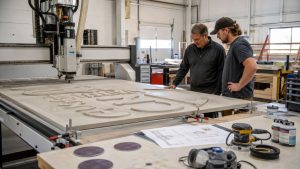
Sandblasting media plays a critical role in surface preparation across many industries. From cleaning metal surfaces to removing rust and thin coatings, the right blasting media directly affects results, cost, and durability. Using the wrong abrasive can damage a surface, waste material, or slow productivity. The right choice delivers a clean, long-lasting, and professional finish.
This guide explains what sandblasting media is, how different blasting media work, and how to choose the right media for your job. It also covers cost, performance, safety, and real-world use cases. The goal is to help you make informed decisions before blasting begins.
What Is Sandblasting Media?
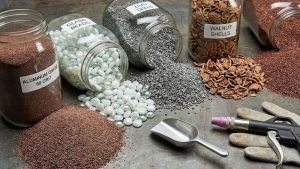
Sandblasting media refers to the abrasive material propelled at high speed during blasting. The media impacts a surface to remove paint, coatings, rust, oil, corrosion, or mill scale. It also creates a texture that improves adhesion for new coatings or finishes.
Modern sandblasting rarely uses natural sand. Sand creates excessive dust and health risks. Today, abrasive blasting media includes engineered, recycled, and manufactured materials designed for performance and safety. Sandblasting media vary in hardness, density, shape, and durability. Each type produces a different surface profile. Some abrasives cut aggressively. Others clean gently or polish.
Why Sandblasting Media Matters
The blasting media determines how fast material is removed and how the surface looks afterward. It also affects dust levels, equipment wear, and cleanup time. Using the wrong media increases cost and reduces productivity.
Correct media selection improves durability and coating adhesion. It also protects sensitive materials like aluminum or wood surfaces. For professional results, media choice matters as much as blasting equipment.
Types of Sandblasting Media
Sandblasting media falls into several broad categories. Each category serves different applications and materials.
Abrasive Blasting Media
Abrasive blasting media removes heavy coatings, rust, and scale. These abrasives are hard and aggressive. Common abrasive media include aluminum oxide, steel grit, steel shot, silicon carbide, and garnet. These materials are ideal for metal surfaces and industrial cleaning.
Non-Abrasive Blasting Media
Non-abrasive media cleans surfaces without cutting deeply. These options suit delicate surfaces or thin coatings. Common non-abrasive media include baking soda, sodium bicarbonate, corn cobs, and walnut shells.
Synthetic and Engineered Media
Engineered media includes plastic, glass beads, and manufactured abrasives. These materials offer controlled hardness and predictable results. They are commonly used in automotive, aerospace, and precision cleaning jobs.
Comparison Table: Common Sandblasting Media Types
| Media Type | Hardness | Dust Level | Best Use |
| Aluminum Oxide | High | Moderate | Paint removal, surface prep |
| White Aluminum Oxide | High | Moderate | Polishing, smooth surface |
| Steel Grit | Very High | Low | Heavy rust removal |
| Steel Shot | High | Low | Peening, durability |
| Garnet | Medium | Low | Coatings removal, low dust |
| Glass Beads | Low | Low | Cleaning, polishing |
| Baking Soda | Very Low | Very Low | Graffiti removal |
| Walnut Shells | Low | Low | Wood surfaces, cleaning |
| Corn Cobs | Low | Low | Light stripping |
Aluminum Oxide Blasting Media
Aluminum oxide is one of the most commonly used abrasive media. It is hard, sharp, and long-lasting. It cuts quickly and works well on steel, aluminum, and other metals.
White aluminum oxide is a purer form. It produces a smoother surface and is often used for polishing or fine surface preparation. Aluminum oxide is reusable and cost-effective over multiple blasting cycles. This media suits jobs that require high performance and aggressive stripping.
Steel Grit and Steel Shot Media
Steel grit and steel shot are dense, durable abrasives used for heavy-duty blasting. Steel grit has angular edges. Steel shot is round. Steel grit is ideal for removing rust, mill scale, and thick coatings from metal surfaces. Steel shot is often used for peening, strengthening surfaces, and preparing castings. Both options produce low dust and high productivity. They require proper blasting equipment designed for metallic abrasives.
Garnet Blasting Media
Garnet creates a balance between cutting power and surface control, making it suitable for precision blasting. As a natural mineral, it is often processed specifically for blasting applications. The material produces low dust levels and delivers consistent results across different surfaces. Garnet performs well in rust removal, paint stripping, and surface preparation jobs. Automotive, marine, and industrial blasting projects commonly rely on this abrasive. It is also recyclable and remains a cost-effective option compared to other blasting media.
Silicon Carbide Media
Silicon carbide is one of the hardest blasting media available. It cuts extremely fast and aggressively. This media suits hard metals, concrete, and diamond tooling applications. It is commonly used for heavy material removal and surface profiling. Silicon carbide is expensive but offers unmatched cutting speed.
Glass Beads Blasting Media
Glass beads are round, smooth abrasives made from recycled glass that clean surfaces without removing the base material. This media produces a smooth surface finish and works well for polishing and cleaning aluminum. It is also used to prepare surfaces for coatings without roughening. Automotive and restoration projects commonly rely on glass bead blasting for controlled, consistent results.
Baking Soda and Soda Blasting Media
Baking soda, also called sodium bicarbonate or soda, is a soft blasting media. It removes paint, oil, and surface contaminants without damaging the substrate. Soda blasting produces very low dust and is safe for thin coatings and delicate surfaces. It is ideal for graffiti removal and cleaning without surface damage. Soda is not reusable and requires thorough cleanup.
Organic Blasting Media: Walnut Shells and Corn Cobs
Walnut shells and corn cobs are organic abrasives. They are biodegradable and low-dust. These media are cleaned without cutting deeply. Walnut shells are ideal for wood surfaces, soft metals, and delicate parts. Corn cobs suit light stripping and surface cleaning. These media are commonly used where surface preservation matters more than speed.
Plastic Blasting Media
Manufactured for controlled stripping, plastic blasting media removes coatings without damaging the base material. This abrasive works well on aluminum, fiberglass, and automotive panels. Aerospace and vehicle restoration projects commonly use plastic media for surface cleaning. Predictable results and minimal surface damage make it a reliable choice for delicate applications.
Choosing the Right Sandblasting Media
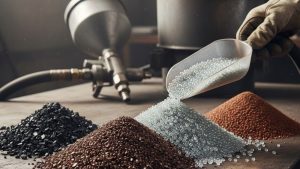
Choosing the right media depends on the surface, coating, and job goals. No single media suits every application. Consider the following factors before blasting begins:
- Surface Material: Different materials react differently to abrasive contact. Steel tolerates aggressive abrasives. Aluminum requires softer media. Wood surfaces need gentle options.
- Coating Thickness: Thin coatings require low-impact media. Thick coatings need aggressive abrasives like steel grit or aluminum oxide.
- Desired Surface Finish: Some jobs require a smooth surface. Others need a coarse profile for adhesion. Media shape and hardness determine the finish.
- Equipment Compatibility: Not all blasting equipment supports every media type. Steel abrasives require heavy-duty blasters. Soda requires specialized systems.
Checklist: How to Select the Right Media
- Identify the surface material
- Measure coating thickness
- Determine desired finish
- Check blasting equipment limits
- Consider dust and cleanup needs
- Compare cost and reuse potential
Sandblasting Media for Metal Surfaces
Metal surfaces often require aggressive abrasive blasting media for effective cleaning and preparation. For this reason, steel grit, aluminum oxide, and garnet remain ideal choices. These abrasives efficiently remove rust, corrosion, mill scale, and old coatings. In addition, they create a strong anchor profile for new paint or coatings. Choosing the right media also helps prevent warping and surface damage.
Sandblasting Media for Wood Surfaces
Wood surfaces require softer abrasives to avoid damage during blasting. For this reason, walnut shells, corn cobs, and soda work well. These media clean wood without removing grain or causing gouging. As a result, restoration and cleaning projects commonly rely on them. Low pressure and proper technique remain essential for safe results.
Surface Preparation and Coating Adhesion
Surface preparation plays a critical role in coating performance. During blasting, sandblasting removes contaminants and creates surface texture. As a result, proper media selection helps coatings bond correctly. Poor surface preparation often leads to peeling, corrosion, and reduced durability. Effective blasting produces a clean, reactive surface ready for paint or protective coatings.
Cost Considerations of Sandblasting Media
Cost depends on media type, reuse rate, and overall job size. In some cases, abrasives cost more upfront but last longer. For example, steel grit and aluminum oxide remain reusable and cost-effective over time. By contrast, soda and organic media are disposable but simplify cleanup. Choosing the right media balances cost, productivity, and finish quality.
Safety and Dust Control
Blasting produces dust and airborne particles during surface preparation, making worker safety a critical concern. According to the National Institute for Occupational Safety and Health, silicosis remains a serious risk at sandblasting worksites when less toxic blasting media are not used, ventilation and other engineering controls are inadequate, workers lack proper respiratory protection, and medical surveillance programs are not in place. Using low-dust media such as garnet and steel shot helps reduce airborne exposure. Proper ventilation, PPE, and containment systems are still necessary on all jobs. For this reason, natural sand should be avoided due to its high silica content, and modern blasting now prioritizes safer, engineered media.
Common Mistakes When Choosing Media
Many issues result from poor media selection during blasting projects. Common mistakes include using overly coarse abrasives or ignoring surface sensitivity. In addition, focusing only on cost often leads to problems. Cheap media frequently increases labor time and cleanup effort. Professional results require careful media comparison before blasting begins.
When to Use Professional Blasting Services
Some jobs require expert evaluation and controlled blasting to achieve proper results. Professional blasting services understand media selection, equipment setup, and safety requirements. As a result, they help avoid surface damage and reduce unnecessary downtime.
If you are unsure which media suits your project, expert guidance saves both time and cost. Professionals assess the surface, material, and coating requirements before blasting begins. This approach delivers durable results without trial-and-error mistakes.
Conclusion
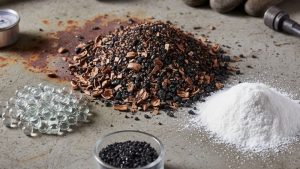
Sandblasting media forms the foundation of effective blasting and surface preparation. The right media improves productivity, finish quality, and long-term durability. From steel grit and aluminum oxide to soda and organic options, each abrasive serves a specific purpose. Understanding blasting media helps you choose safer, more cost-effective solutions while protecting surfaces. When surface quality matters, selecting the right media makes a measurable difference.
At CARV, we understand how proper surface preparation impacts durability, appearance, and performance. Our team helps evaluate materials, media options, and blasting methods for your specific project. Contact us to discuss the right blasting approach and achieve professional, long-lasting results.
FAQs
What media is best for sandblasting?
The best sandblasting media depends on the surface and goal. Aluminum oxide is best for aggressive cleaning, glass bead works well for smooth finishes, and soda is ideal for delicate surfaces.
Can you reuse sandblasting media?
Yes, many types of sandblasting media can be reused. Steel grit, steel shot, and aluminum oxide are commonly recycled multiple times if they stay clean and unbroken.
Can you use soda media in a sandblaster?
Yes, soda media can be used in a sandblaster designed for soda blasting. It requires lower pressure and proper moisture control to prevent clogging.
How much sandblasting media do I need?
The amount depends on surface size, media type, and whether the media is reusable. Small projects may need one 50 lb bag, while larger jobs can require several hundred pounds.