Aluminum is everywhere, on wheels, boats, trailers, architectural panels, commercial signs, and even the small parts that hold larger structures together. Eventually, all aluminum surfaces start to show wear. Paint dulls, oxidation creeps in, coatings peel, and the once-smooth skin of the metal begins to look tired. This leads to the big question many people ask: can you sandblast aluminum safely without damaging it?
Yes, you absolutely can. With the right blast media, proper pressure, and a controlled technique, sandblasting becomes one of the most effective ways to clean, restore, prep, and refinish aluminum. Whether you’re restoring wheels, prepping a boat part, removing oxidation from an architectural panel, or getting a sign ready for new paint, this guide shows you exactly what to use and what to avoid. You’ll also learn how to get a smooth, polished end result without warping the metal. Stick around, because you’ll learn some awesome tricks to avoid risk, improve effectiveness, and get a professional-quality finish.
What Is Sandblasting? (Abrasive Blasting Explained)
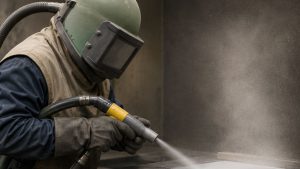
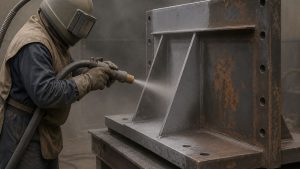
Sandblasting, also called abrasive blasting, is the process of forcefully propelling an abrasive material onto a surface to strip coatings, remove paint, and smooth imperfections. It also helps create a uniform texture that’s ready for new finishes.
The basic setup includes:
- A sand blaster
- Blast media (the abrasive)
- Compressed air
- Nozzle
- Safety gear
The blasting knocks away unwanted coatings, rust, oxidation, and imperfections with controlled force. The type of abrasive you choose determines how aggressive or gentle the process will be.
Common sandblasting media include:
- Glass beads (smooth, polished finish)
- Crushed glass (more aggressive)
- Aluminum oxide (deep cleaning)
- Walnut shells (gentle, organic)
- Plastic media (delicate surfaces)
- Baking soda/soda blasting (soft yet effective)
- Corn cobs (ultra-gentle)
Can You Sandblast Aluminum?
Aluminum can be safely sandblasted, but it requires the right technique because the metal is softer than steel or stainless steel. Using high pressure or the wrong abrasive can cause pitting, warping, deep etching, uneven surfaces, or even contamination that leads to corrosion. To prevent damage, start with low pressure (around 40–50 PSI), increase only if necessary, and always test a small area first.
When done correctly, blasting restores aluminum beautifully. It removes paint, oxidation, and casting imperfections while preparing the surface for coatings like primer, paint, anodizing, or powder coating. For visible parts, such as aluminum wheels, signage, and architectural panels, controlled blasting delivers a clean, consistent, professional-quality finish.
When You Should Sandblast Aluminum
Sandblasting aluminum is ideal when you want to:
- Remove paint or strip old coatings
- Eliminate oxidation, corrosion, and scale buildup
- Clean marine parts like boat components
- Smooth rough surfaces or old casting marks
- Prep aluminum for painting, powder coating, or finishing
- Restore aluminum wheels, trim pieces, trailers, and frames
- Bring dull metal back to a consistent, polished look
If your aluminum looks scratched, faded, pitted, or coated in old finishes, blasting quickly removes the damage. It’s one of the fastest ways to bring back a clean, uniform surface.
When You Should NOT Sandblast Aluminum
There are situations where blasting aluminum becomes risky. You’ll want to avoid sandblasting if the metal is too thin, highly polished, decorative, or textured. It’s also not ideal for certain aluminum alloys that react poorly to harsher abrasives, or for surfaces with adhesive layers or coatings that are better removed with chemical methods. And if you’re aiming for a mirror-like finish, polishing is a much better option than blasting.
In cases like these, choose safer alternatives such as wet sandblasting, chemical stripping, or gentle soda blasting. These methods reduce the risk of warping, abrasion, or surface damage while still giving you a clean, workable aluminum surface.
Best Abrasive Media for Sandblasting Aluminum
The success of your blasting job depends heavily on the media you choose. Here’s a breakdown of the most effective options and when to use them.
Glass Beads
Glass beads produce a polished, satin-like finish that works well on aluminum wheels, trim, and other cosmetic surfaces, and they’re reusable, making them a cost-efficient media choice.
Soda (Baking Soda)
Soda blasting is ideal for gentle cleaning because it removes paint without cutting into the aluminum, and it won’t warp or pit the surface.
Crushed Glass
Crushed glass is more aggressive than glass beads, creating a textured profile that’s ideal for coating adhesion and effective on heavily coated or oxidized aluminum surfaces.
Aluminum Oxide
Aluminum oxide is a very strong abrasive that excels at stripping tough coatings and creating a durable surface profile that improves paint or powder-coat adhesion.
Walnut Shells / Corn Cobs
Walnut shells and corn cobs are organic, ultra-gentle abrasives that work well on delicate or thin aluminum, preventing pitting and avoiding deep etching.
If you’re unsure which media to use, glass beads and soda are safe, reliable starting points. Both options clean effectively while maintaining the aluminum’s surface integrity.
Key Factors for Choosing the Right Media
When choosing blast media for aluminum, consider the shape, size, hardness, and density of the abrasive. Angular media like crushed glass and aluminum oxide cuts into the surface for more aggressive removal, while round media like glass beads smooths and polishes. Smaller mesh sizes create smoother finishes, while coarse mesh provides stronger cutting action.
Hardness and density also affect results. Since aluminum is soft, you need abrasives that are either slightly harder or softer to avoid gouging. Dense media delivers a harder impact and works well for removing tough coatings. Lighter media is better for delicate aluminum surfaces that need gentle cleaning.
Pressure Settings for Sandblasting Aluminum
For pressure settings, start at 40–50 PSI for thin or delicate aluminum and increase to 60–80 PSI only for thicker, industrial pieces. Beginning at the lower end helps you gauge how the metal responds before committing to a stronger force.
Always keep the nozzle moving, maintain the right distance, and work at a slight angle rather than blasting straight on. Gradually increasing pressure and avoiding concentrated force greatly reduces the risk of warping, pitting, or etched surfaces.
How to Sandblast Aluminum Safely (Step-by-Step)
- Prepare the Work Area: Use tarps, a blast cabinet, or an enclosed space to contain dust. A dust extraction or vacuum recovery system increases safety and improves visibility.
- Choose the Right Media: Match the abrasive to the finish you want. For shine, use glass beads, for coating adhesion, choose crushed glass, and for gentle cleaning, go with soda.
- Set Pressure Correctly: Start low and increase as needed.
- Maintain the Right Angle: A slight angle improves effectiveness and prevents etching.
- Keep the Nozzle Moving: Avoid focusing on one spot too long. This prevents pitting and uneven removal.
- Rinse or Blow Off Residue: After blasting, remove all leftover media with air or water. This step prevents contamination under new coatings.
- Prep for Coating or Painting:
After blasting, aluminum is ready for primer, paint, powder coating, or other protective layers. A clean, blasted surface improves adhesion and helps the finish last longer.
Common Applications for Sandblasting Aluminum
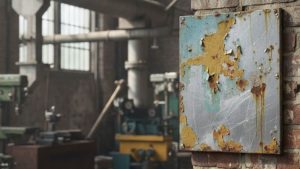
Sandblasting aluminum is widely used across automotive, marine, industrial, architectural, and signage applications. It restores aluminum wheels, engine covers, trim pieces, boat components, and any surfaces exposed to oxidation or saltwater. In industrial and architectural settings, it’s effective for cleaning equipment, cast parts, frames, and panels, giving them a uniform, ready-to-coat finish.
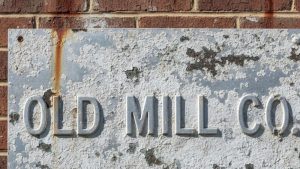
For signage, blasting is especially valuable. It strips old paint from aluminum sign faces, removes oxidation, preps dimensional letters and cabinets, and smooths imperfections in cut aluminum panels. If you’re working with aluminum signage, abrasive blasting remains one of the most reliable ways to achieve a clean, consistent surface before applying new coatings.
Pros and Cons of Sandblasting Aluminum
Sandblasting aluminum offers several advantages. It quickly removes paint and coatings, restores dull or pitted surfaces, eliminates oxidation and scale, and prepares the metal for painting or powder coating. When done correctly, it delivers clean, uniform, professional results.
However, it does come with challenges. Sandblasting soft aluminum requires skill to avoid damage; the equipment can be expensive for DIY users, and dust or debris can be heavy without proper containment. Using the wrong media can also contaminate the surface and affect the final finish.
Alternatives to Sandblasting Aluminum
The use of silica-based sand for blasting is strongly discouraged. The NIOSH Alert: Preventing Silicosis and Deaths From Sandblasting warns that crystalline silica exposure during sandblasting can lead to irreversible and often fatal respiratory disease. Stick to aluminum-safe alternatives like glass beads, crushed glass, or soda blasting.
If blasting isn’t suitable, consider:
- Power washing (light cleaning)
- Chemical stripping (paint removal without abrasives)
- Hand sanding (slow, manual removal)
- Vapor blasting (gentler wet blasting technique)
These alternatives work when aluminum is too thin or delicate for traditional blasting.
Why DIY Sandblasting Aluminum Is Risky
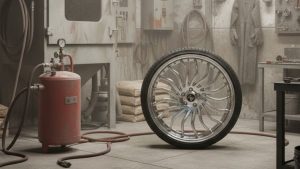
DIY sandblasting can cause warping, deep pitting, uneven patterns, surface contamination, inhalation risks, and damage that shows through final coatings. Because of this, professional blasting from CARV is the safer choice for wheels, signage, fabrication parts, or any project that needs a clean, even finish.
Other Services Offered by CARV
Beyond aluminum surface preparation, CARV provides a wide range of professional signage and fabrication services designed to help businesses stand out with durable, high-quality results. One of our most in-demand specialties is sandblasted HDU signs.
Sandblasted HDU Signs
CARV creates custom sandblasted signs using High-Density Urethane (HDU), an industry-leading material that resists moisture, cracking, and warping far better than traditional wood. Each sign is carefully carved, textured, and finished to deliver a dimensional look that works well for:
- Storefront signs
- Monument signs
- Neighborhood and subdivision entrances
- Resort and hospitality signage
- Nature parks and recreational areas
- Professional offices
Conclusion
If you want a clean, smooth, coating-ready aluminum surface with no warping, pitting, or unexpected imperfections, professional blasting is the most reliable option. It ensures consistent results, protects delicate aluminum from damage, and gives you a strong foundation for any finish, from paint to powder coat.
At CARV, we specialize in aluminum surface preparation for signage, fabrication, restoration, and refinishing projects. Our controlled blasting process delivers a uniform, professional-quality finish for wheels, panels, and custom signage. If you’re ready to get your aluminum project done right, contact us today for expert help.
FAQs
Can you sandblast an aluminum boat?
Yes, you can sandblast an aluminum boat as long as you use gentle media like glass beads or soda and lower PSI settings. This prevents warping and removes oxidation, old paint, and marine buildup safely.
Can you sandblast aluminum rims?
Yes, you can sandblast aluminum rims, and it’s actually one of the best ways to remove old coatings and prepare them for paint or powder coating. Just use controlled pressure and the right abrasive to avoid pitting the metal.
Can you sandblast aluminum wheels?
Yes, you can sandblast aluminum wheels, but you must use the correct media and moderate pressure to prevent damage. When done properly, it produces a clean, uniform surface ready for finishing.
Can you sandblast aluminum with sand?
You can sandblast aluminum with sand, but it’s not recommended because silica sand is too harsh and poses serious health risks. Safer alternatives like glass beads, soda, or crushed glass give better results without damaging the aluminum.