When it comes to surface preparation, not all abrasives are created equal. Among the many options available for sandblasting, crushed glass sandblasting media stands out as one of the most versatile, eco-friendly, and effective choices. Whether you’re tackling rust removal, paint stripping, or cleaning industrial surfaces, crushed glass provides a unique blend of aggressive performance and safety.
But what makes crushed glass so special in the world of blasting? From its 100% recycled origins to its ability to handle a variety of materials, it’s quickly becoming a go-to abrasive for industries ranging from automotive to construction. In this guide, we’ll explore why crushed glass blasting media is a top-tier choice for your next project, the different types of glass abrasives, and how to select the right one for optimal results.

What is Crushed Glass Blasting Media?
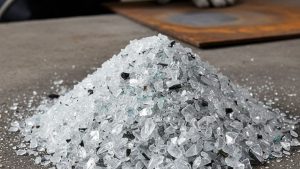
Crushed glass sandblasting media is a type of abrasive material used in sandblasting, also known as abrasive blasting. It’s made by grinding recycled glass into small particles that are angular in shape. The result is an abrasive that has an irregular, sharp edge, which allows it to cut and clean surfaces effectively. Unlike traditional sand, crushed glass is inert, meaning it doesn’t contain harmful substances like free silica, a common health concern with other abrasives.
In the world of abrasive materials, crushed glass stands out for several reasons. It’s eco-friendly, being made entirely from recycled glass, and it’s available in a variety of grades and sizes to suit different blasting applications.
Types of Glass Media in Sandblasting
There are several types of glass media, each suited for specific applications. Understanding the differences between them is key to choosing the right one for your project.
Crushed Glass
Crushed glass is angular and aggressive, making it ideal for heavy-duty applications such as removing thick coatings, rust, or graffiti. It’s highly effective for cleaning metal surfaces and is perfect for preparing surfaces for coating or painting. The sharp edges of the angular particles ensure effective cleaning, but they can be more aggressive on softer surfaces.
Glass Beads
Unlike crushed glass, glass beads are spherical, making them less aggressive and suitable for more delicate applications. They provide a smoother finish and are often used for tasks like finishing, deburring, and peening softer materials such as aluminum or brass. They are also used when a finer, more polished surface finish is needed.
Glass Grit
Glass grit is another form of abrasive made from crushed glass, but it is finer and used for cleaning or etching metal, concrete, and wood surfaces. Its properties make it great for tasks that require a light touch but still need a rougher surface profile.
Benefits of Using Crushed Glass Sandblasting Media
Choosing the right abrasive can be the difference between a job well done and a frustrating experience. Here are the key benefits of crushed glass sandblasting media:
- Eco-Friendly: Made from 100% recycled glass, crushed glass is a sustainable choice. It helps reduce landfill waste and eliminates the need for new raw materials.
- Inert: Unlike traditional abrasives, crushed glass contains no harmful materials like free silica. It’s a safer option for workers in environments where health and safety are critical.
- Aggressive and Versatile: Crushed glass is highly effective at cleaning and stripping surfaces. It can be used on a wide variety of materials, including metal, wood, concrete, and plastics. Its angular shape gives it aggressive cutting power, making it ideal for tough tasks.
- Cost-Effective: Because crushed glass is reusable, it offers long-term cost savings compared to other abrasives like coal slag or aluminum oxide. Recycled glass also reduces the overall cost of blasting.
- Environmentally Safe: It leaves no harmful residues, and being non-toxic, it makes an excellent choice for both indoor and outdoor blasting jobs.
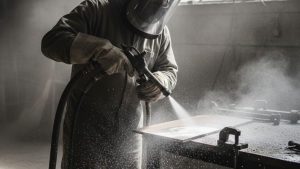
Applications of Crushed Glass Sandblasting Media
The uses for crushed glass sandblasting media are virtually endless. It’s commonly used across multiple industries for various tasks, such as:
Rust Removal
Crushed glass is excellent for removing rust from metal surfaces. The sharp edges of the abrasive particles break through the rust and corrosion, restoring the surface to its original condition. It’s commonly used on automotive parts, heavy machinery, and industrial equipment.
Paint Stripping
One of the most popular uses for crushed glass is paint removal. It’s effective at stripping away old paint without damaging the underlying surface. The abrasiveness of the glass makes it ideal for preparing metal surfaces for fresh coatings, ensuring better paint adhesion.
Graffiti Removal
Removing graffiti from brick walls, concrete surfaces, and other materials is a tough task. Crushed glass excels at cleaning these surfaces without causing further damage to the substrate. It’s gentle enough to remove paint but aggressive enough to get the job done.
Cleaning and Finishing
In applications where a polished finish is required, crushed glass can be used to clean and finish metal parts. Whether it’s for machinery, tools, or decorative items, it can help remove contaminants and give the surface a smooth, clean look.
Choosing the Right Crushed Glass for Your Project
When selecting the right crushed glass sandblasting media, there are a few key factors to consider:
- Size and Grade: Crushed glass comes in different grades, from fine to coarse, and is available in various sizes. For detailed work, such as paint stripping or finishing, choose a finer grade. For heavy-duty tasks like rust removal, a coarser grade may be more suitable.
- Pressure Settings: The blasting pressure will also impact the effectiveness of crushed glass. Higher pressures are typically used for more aggressive applications, while lower pressures are ideal for delicate tasks.
- Surface Type: Different materials may require different types of glass abrasives. Crushed glass works well on metals, while glass beads may be better suited for softer materials like wood or aluminum.
Safety Considerations When Using Crushed Glass Sandblasting Media
While crushed glass is generally safe to use, proper safety precautions should always be followed:
- Protective Gear: Always wear appropriate personal protective equipment (PPE), including gloves, goggles, and respirators, to protect yourself from airborne particles and abrasives.
- Dust Control: Crushed glass can generate dust, which may pose respiratory risks. Use dust collection systems and wear respirators to minimize exposure to dust.
- Ventilation: Proper ventilation is essential when blasting in enclosed spaces. Make sure the area is well-ventilated to reduce the risk of inhaling dust particles.
Environmental Impact of Crushed Glass Sandblasting Media
One of the standout benefits of crushed glass sandblasting media is its environmental impact. Unlike abrasives like coal slag, crushed glass is made from 100% recycled materials, making it a more sustainable choice for industrial projects. Utilizing recycled glass, it helps reduce landfill waste and minimizes the need for new raw materials.
Additionally, crushed glass doesn’t generate harmful byproducts. It’s completely non-toxic, which makes it a safer alternative for both workers and the environment. This eco-friendly nature makes it an excellent choice for companies, like CARV, seeking sustainable solutions in their blasting operations.
Other Services Offered by CARV
At CARV, we specialize in more than just crushed glass sandblasting media. We also create high-quality, custom sandblasted signs and specialty signage tailored to your branding and design needs.
- Wholesale Sandblasted Cedar Signs: Perfect for a rustic, natural look, our cedar signs are durable and ideal for outdoor environments. Available in bulk to meet your project’s requirements.
- Sandblasted HDU Signs: HDU is a durable, weather-resistant material that mimics wood but lasts longer. Our sandblasted HDU signs are customizable to suit any design, ideal for both indoor and outdoor applications.
- Channel Routed Specialty Signs: For a unique, modern appeal, our channel-routed signs are perfect for adding a distinctive touch to your business or location. Available in various materials like HDU, wood, and metal.
Conclusion
Crushed glass sandblasting media offers an ideal solution for a wide range of industrial applications. With its eco-friendly properties, non-toxic nature, and versatility, it’s an excellent choice for businesses looking for efficient, sustainable, and safe blasting solutions.
At CARV, we provide high-quality crushed glass media to help take your blasting projects to the next level. For more information or to request a quote, feel free tocontact us or browse our product options today!
FAQs
Is crushed glass good for sandblasting?
Yes, crushed glass is highly effective for sandblasting. Its angular shape allows for aggressive cleaning and coating removal, making it ideal for tough tasks like rust or paint removal. It is also eco-friendly since it’s made from 100% recycled glass.
What media to use for sandblasting glass?
For sandblasting glass, glass beads are typically the best choice. They provide a gentle abrasive action, which is ideal for cleaning and finishing glass without causing damage. Crushed glass can be used, but it may be too aggressive for delicate glass surfaces.
What is the difference between crushed glass and glass bead media?
The key difference is in their shapes: crushed glass is angular, making it more abrasive and suited for heavy-duty tasks like rust removal, while glass beads are spherical, offering a gentler approach for lighter cleaning and finishing. Crushed glass creates a rougher profile on surfaces, while glass beads leave a smoother, more polished finish.
Is crushed glass media safe?
Yes, crushed glass is safe to use as it contains no free silica and is non-toxic. It’s a safer alternative to other abrasives like sand, which can release harmful dust. However, it’s still important to use proper safety gear, such as respiratory protection, to avoid inhaling any dust particles.