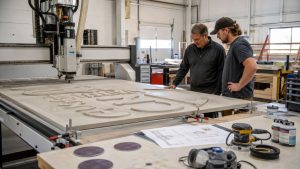
Most surface damage does not occur during painting or finishing. It happens earlier, during surface preparation. Abrasive media that is too aggressive can scratch soft metals, ruin finishes, or remove more material than intended. That is why walnut shell sandblasting media has become a trusted solution in automotive, industrial, and restoration work where surface control matters.
Walnut shell blasting removes paint, coatings, and surface contaminants without cutting into the base material. Made from crushed walnut shells, this all-natural, non-toxic, and biodegradable blasting media provides controlled cleaning when precision is required. This guide explains how walnut shell blasting works, where it is used, how grit sizes affect results, and when it is the right choice to reduce risk and achieve clean, consistent outcomes.
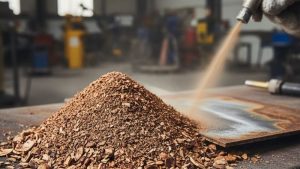
What Is Walnut Shell Sandblasting Media?
Walnut shell sandblasting media is a soft abrasive created by grinding and sizing the hard outer shells of walnuts. Once processed, the shells become angular particles that remove surface coatings through impact and friction rather than cutting.
Unlike sand or metal-based blasting media, walnut shell blast media does not aggressively fracture on contact. Instead, it breaks down gradually, allowing surfaces to be cleaned without deep scratching or gouging. This makes it ideal for applications where the base material must remain intact.
Key characteristics of walnut shell abrasive media include:
- Made from all-natural walnut shells
- Non-toxic and silica-free
- Biodegradable and environmentally responsible
- Lightweight and easy to control
- Safe for soft metals, wood, plastics, and fiberglass
- Can be reused multiple times
Because walnut shells are organic, they also reduce reliance on chemical solvents for cleaning and paint removal. That lowers cleanup time, minimizes disposal concerns, and improves overall safety.
Why Walnut Shell Media Is Considered a Soft Abrasive
Hard abrasives remove material by cutting. That approach works when profiling steel or removing heavy corrosion, but it introduces risk when working with softer or delicate surfaces.
Walnut shell blasting works differently. The media is angular enough to lift paint, coatings, and buildup, but soft enough to absorb impact energy. This allows it to remove unwanted layers while leaving the substrate unchanged.
This controlled action helps prevent common problems such as:
- Excessive scratching
- Warping thin materials
- Removing primer or base layers unintentionally
- Permanent surface damage
Walnut shell blasting is particularly effective on:
- Soft metals like aluminum and brass
- Wood surfaces that cannot tolerate aggressive abrasion
- Plastics that deform or melt under heat
- Fiberglass and composite materials
In practical terms, walnut shell blasting removes the problem, not the product itself.
Key Advantages of Walnut Shell Sandblasting Media
Walnut shell blasting media balances performance, safety, and efficiency. Its advantages extend beyond surface protection.
Surface Protection and Finish Control
Walnut shell blasting removes paint and coatings without cutting into the base material, making it ideal for finish-sensitive surfaces. It preserves edges, fine details, and surface profiles while maintaining the original finish, which helps reduce rework caused by over-blasting or surface damage.
Environmental and Safety Benefits
Walnut shell blasting offers clear environmental and safety benefits because the media is non-toxic, silica-free, and biodegradable. It produces less airborne dust than sand, reduces disposal concerns, and lowers health risks for operators while maintaining effective cleaning performance. Because walnut shells are an agricultural by-product, their use as blasting media supports waste reduction and reduces the need for newly mined or synthetic materials, which aligns with broader environmental and lifecycle sustainability principles recognized by regulatory agencies such as the U.S. EPA.
Cost and Operational Efficiency
Walnut shell blasting improves cost and operational efficiency because the media can be reused multiple times and works across air blasting, wheel blasting, and tumbling systems. Its softer profile reduces wear on blasting equipment and allows faster, more controlled cleaning cycles for delicate parts without increasing the risk of surface damage.
For many operations, walnut shell blasting media solves cleaning problems without creating new ones.
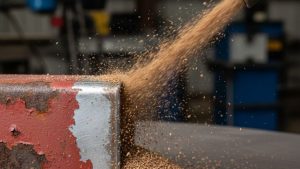
Common Applications of Walnut Shell Sandblasting Media
Walnut shell blasting is used across industries because it adapts well to different materials and requirements.
Automotive and Transportation Applications
Walnut shell blasting is widely used in automotive and transportation applications because it removes paint without damaging panels, cleans engine components, and supports the restoration of classic and specialty vehicles. It is also effective for preparing parts for refinishing and cleaning components used in steam turbines. Because walnut shells do not distort thin metal, this method is preferred in precision-focused applications where surface integrity must be preserved.
Industrial and Manufacturing Applications
In industrial and manufacturing settings, walnut shell blasting is commonly used for deburring plastics and die castings, deflashing molded components, cleaning molds and tooling, and removing light coatings before assembly. Because the media does not embed into parts, it supports precision manufacturing processes where surface cleanliness and dimensional accuracy are critical.
Marine, Infrastructure, and Architectural Applications
Walnut shell blasting is well-suited for marine, infrastructure, and architectural applications, including removing coatings from boats, eliminating graffiti from buildings, and cleaning bridges and outdoor structures. Its controlled action allows effective surface preparation without damaging underlying substrates, making it a reliable option for large-scale and sensitive projects alike.
Specialty and Precision Applications
Walnut shell blasting supports specialty and precision applications, including burnout applications in mold making, cleaning ceramics before firing, enhancing porosity in grinding wheels, and controlled cleaning of sensitive components. Its soft, non-damaging media allows precise material removal without compromising surface integrity or dimensional accuracy.
Walnut Shell Grit Sizes, Grades, and Specifications
Grit size determines how aggressively the almond shell blasting media performs. Choosing the right size improves efficiency and protects surfaces.
Standard vs Cosmetic Grade
Standard grade
- General industrial use
- Paint and coating removal
- Common in automotive and marine work
Cosmetic grade
- Finer, more uniform particles
- Used where appearance and consistency matter
- Ideal for light cleaning and finishing
Common Walnut Shell Grit Sizes and Uses
| Grit Size | Typical Applications |
| 6/10 | Heavy paint and coating removal |
| 8/12 | Thick coatings on durable substrates |
| 12/20 | General-purpose blasting and cleaning |
| 18/40 | Controlled paint removal and surface prep |
| 35/60 | Light cleaning and finish work |
| 40/100 | Delicate surfaces and cosmetic applications |
| 60/200 | Polishing and fine detail work |
Walnut shell media is commonly supplied in 50 lb bags, making handling and storage manageable. Larger jobs may require bulk shipping, depending on volume and usage. Selecting the correct grit size helps avoid surface damage while delivering consistent results.
Equipment and Blasting Methods Used With Walnut Shell Media
Walnut shell blasting media works across multiple systems.
Common methods include:
- Dry air blasting
- Wheel blasting for continuous processing
- Tumbling for small or complex parts
- Blast cabinets for controlled environments
Because walnut shells break down gradually, they can be collected, screened, and reused. This improves efficiency across the entire process.
Walnut Shell Blasting vs Other Abrasive Media
Compared to sand, walnut shell blasting cleans surfaces without cutting into the material. Sand removes material aggressively, which increases the risk of surface damage, silica exposure, and uncontrolled finish loss. Walnut shells produce less surface damage, offer better finish control, and reduce health risks because they are silica-free, making them a safer option for delicate or finish-sensitive work.
When compared to hard abrasives such as aluminum oxide or steel grit, walnut shell blasting provides a clear advantage where preservation matters. Hard media can scratch soft surfaces, embed into materials, and lead to costly rework. Walnut shell blasting is often selected when the goal is controlled cleaning and surface protection rather than rapid material removal.
When Walnut Shell Sandblasting Media Is Not the Right Choice
Walnut shell blasting is not ideal for applications that require aggressive material removal, such as heavy rust removal, thick scale buildup, or structural surface profiling. Its soft, low-impact nature is designed for controlled cleaning and coating removal rather than cutting or reshaping surfaces.
In cases involving significant corrosion or heavy buildup, CARV may recommend starting with a harder abrasive to address the initial removal. Walnut shell blasting can then be used as a secondary step to clean, refine, or prepare the surface, helping achieve the desired finish without introducing unnecessary damage.
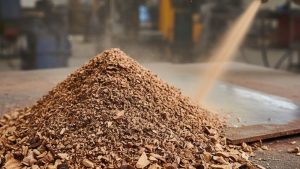
Other Services Offered by CARV
In addition to walnut shell blasting, CARV provides specialized sign fabrication services that rely on precise surface preparation and controlled material removal. These include wholesale sandblasted cedar signs, sandblasted HDU signs, and channel routed specialty signs, each produced using methods that protect material integrity while delivering clean, consistent finishes. These services are designed for projects where detail, durability, and surface quality are critical.
Conclusion
Walnut shell sandblasting media is the right solution when surface preparation requires control rather than aggression. It removes coatings, paint, and contaminants while preserving the integrity of the base material, making it a dependable option for automotive, industrial, marine, and specialty applications where surface damage is not acceptable.
At CARV, walnut shell blasting is applied as part of a controlled surface preparation process tailored to the material, coating type, and end use. If you are unsure which blasting media, grit size, or method is appropriate for your project, a brief consultation can prevent surface damage, reduce rework, and improve overall results. Contact us to request a quote or discuss the right surface preparation approach for your application. Our team can recommend the appropriate media, grit size, and process to match your material and performance requirements.
FAQs
Can you use walnut shells in a sandblaster?
Yes, walnut shells can be used in a sandblaster as long as the equipment supports softer blasting media and proper pressure control. They are commonly used in standard air blasting systems, blast cabinets, and wheel blasting setups designed for non-aggressive media.
Will walnut media remove rust?
Walnut shell media can remove light surface rust, but is not effective for heavy rust or thick corrosion. For severe rust, harder abrasives are usually required before finishing with walnut shells for cleaning or surface prep.
Is walnut shell blasting worth it?
Walnut shell blasting is worth it when surface preservation matters, especially on soft metals, wood, plastics, and fiberglass. It reduces the risk of damage while delivering controlled, consistent cleaning results.
Can I walnut blast at home?
Walnut blasting can be done at home with the right equipment, safety measures, and proper media selection. However, improper pressure or setup can still cause damage, so professional guidance is recommended for sensitive or high-value surfaces.