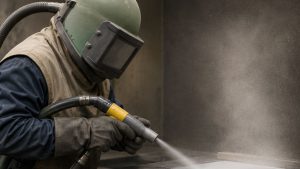
When it comes to achieving the perfect surface finish, whether for industrial coatings, waterjet cutting, or sandblasting, choosing the right abrasive is crucial. Garnet sandblasting media has become the preferred choice for professionals across various industries. Why? Because of its superior performance in blasting applications, exceptional cutting power, and the ability to provide a smooth, uniform surface profile. Whether you’re dealing with tough coatings, rust, or graffiti removal, garnet abrasive stands out for its consistency and effectiveness.
In this guide, we’ll dive deep into everything you need to know about garnet sandblasting media, from its properties and advantages to its various uses in different industries. Let’s explore why this media is the go-to for achieving flawless results while keeping efficiency and cost-effectiveness in check.
What is Garnet Sand?
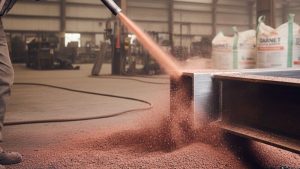
Garnet sand is a natural, mineral-based abrasive made primarily from almandine garnet. Known for its hardness, durability, and angular grains, garnet has become one of the most versatile and reliable abrasives in industrial applications. It is primarily used for sandblasting, waterjet cutting, and surface preparation in various industries. The mineral itself boasts a Mohs hardness of 7.5+, which makes it hard enough to tackle even the toughest surfaces while maintaining excellent blasting performance.
The sand is typically extracted from alluvial deposits, where water and natural forces help break down the garnet into consistent, sharp particles. This angularity enhances its ability to cut, clean, and abrade surfaces effectively, producing a uniform surface profile ideal for coating adhesion and rust removal.
Why Choose Garnet Sand for Sandblasting and Waterjet Cutting?
When it comes to sandblasting and waterjet cutting, the choice of abrasive is crucial for achieving optimal performance and results. Garnet sand stands out as a top choice due to its superior cutting power, durability, and ability to produce clean, precise finishes across a wide range of applications.
Superior Performance in Blasting Applications
Garnet is one of the top abrasives for sandblasting because of its fast cutting speed and the uniformity of the surface profile it creates. It is also less dusty compared to other abrasives, which improves operator visibility and contributes to a cleaner work environment. The abrasive consumption is lower than with other media, making it more cost-effective over time.
Durability and Long Lifespan
Garnet’s durability ensures that it lasts longer than other abrasives, reducing the frequency of media replacement. This means fewer disposal costs and a more environmentally friendly option. Additionally, garnet abrasive maintains its cutting power and sharpness for an extended period, ensuring consistent performance during demanding dry blasting operations.
Less Dust for Cleaner Operations
One of the standout features of garnet is its ability to generate less dust compared to other abrasive media. The reduced dust means that the environment is cleaner, visibility is improved, and the need for additional respiratory protection is minimized, making it a safer choice for workers.
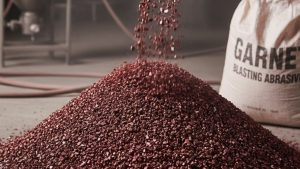
The Properties of Garnet Sandblasting Media
| Property | Value | Benefit |
| Mohs Hardness | 7.5+ | High durability for abrasive applications |
| Bulk Density | 3.9-4.1 g/cm³ | Allows for efficient media flow and use in sandblasting |
| Grain Shape | Angular, sharp edges | Provides faster cutting and cleaner finishes |
| Low Dust Production | Minimal dust | Ensures better operator visibility and cleaner air |
| Recyclability | High, durable | Cost-effective, environmentally sustainable |
Chemical Composition of Garnet Sand
Garnet is primarily composed of silicon dioxide (SiO2) along with various metal ions such as iron (Fe), aluminum (Al), magnesium (Mg), and calcium (Ca), depending on the type of garnet. The material’s high-build coatings ability and resistance to wear make it a preferred choice in sandblasting, as well as waterjet cutting applications. It also has minimal levels of heavy metals like lead and arsenic, which makes it a safe and non-toxic option for various industries.
Garnet Sand vs Other Abrasive Media
While other abrasives like steel grit, crushed glass, and aluminum oxide are also commonly used, garnet sand holds its own due to its unique characteristics:
- Cutting Power: Garnet’s sharp edges enable faster cutting, reducing the time required for each job.
- Surface Profile: Garnet creates a uniform, clean surface profile, ideal for coating adhesion and preparing surfaces for further treatment like painting or corrosion protection.
- Environmental Impact: Garnet is more environmentally friendly than other abrasives like slag or sand, as it generates less dust and is highly recyclable.
Applications of Garnet Sand in Different Industries
Garnet sandblasting media is used across a wide range of industries for various applications. Here are some of the most common ones:
1. Waterjet Cutting
Garnet is the go-to abrasive for waterjet cutting, offering fast cutting with a precision edge. It is used to cut through materials like stone, glass, metal, and composites, providing excellent cutting power without causing excessive wear on equipment.
2. Metalworking
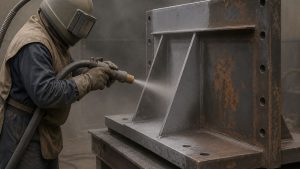
In metalworking, garnet is used to remove rust, mill scale, and paint from metal surfaces. It is an ideal choice for abrasive cleaning and surface preparation, as it provides excellent surface quality for coating applications. It’s commonly used in industries like aerospace, automotive, and manufacturing.
3. Surface Preparation and Coating Adhesion
For surface preparation, garnet helps achieve the optimal surface profile required for high-build coatings. It ensures that the coating will adhere properly to the substrate, whether it’s steel, aluminum, or another material. This makes it an ideal abrasive for preparing metal surfaces for industrial coatings and paint.
4. Graffiti Removal and Rust Removal
Garnet sand is highly effective for graffiti removal, rust treatment, and cleaning thick coatings. Its ability to clean without damaging the underlying substrate makes it an excellent choice for surface restoration projects.
How to Choose the Right Garnet Sand for Your Project
Choosing the right grade and type of garnet sand depends on several factors:
- Project Type: For heavy-duty applications like rust removal, coarser garnet (30/60 mesh) is more appropriate. For fine surface preparation and coating adhesion, you might prefer finer garnet (80/100 mesh).
- Blasting Conditions: If you are working with sensitive substrates, such as aluminum or delicate metals, a softer abrasive like garnet with lower consumption rates may be ideal.
- Abrasive Media Recycling: Garnet can be recycled several times, which makes it cost-effective in the long run. Choose garnet grades with lower abrasive consumption for enhanced recyclability and extended life.
Other Services Offered by CARV
At CARV Signs, we offer a variety of custom signage solutions to suit both commercial and personal needs. Alongside our garnet sandblasting media, we specialize in creating high-quality signs that make a lasting impression. Here are some of the services we provide:
Wholesale Sandblasted Cedar Signs
Our sandblasted cedar signs are perfect for businesses and homes seeking a rustic, timeless look. Cedar is durable and resistant to the elements, making it ideal for both indoor and outdoor use. We offer customization options, ensuring each sign meets your specific needs.
Sandblasted HDU Signs
Our HDU signs combine the aesthetic of wood and stone with the benefits of durability and lightweight material. These signs are perfect for projects that require detailed designs and can withstand harsh weather conditions.
Channel Routed Specialty Signs
Channel routed signs add a 3D effect to your branding with custom shapes, logos, and text routed into materials like wood, acrylic, or metal. This technique is perfect for creating a bold visual statement.
Conclusion
Garnet sandblasting media stands out as a highly effective and environmentally friendly abrasive, offering excellent performance, versatility, and environmental friendliness across a wide range of applications. Its ability to provide a clean, uniform surface profile, along with lower dust production and longer lifespan, makes it the ideal choice for industries such as metalworking, waterjet cutting, and surface preparation. Whether you’re tackling rust removal, graffiti cleaning, or preparing surfaces for industrial coatings, garnet abrasive ensures consistent results while keeping operational costs in check.
At CARV, we offer top-quality garnet sandblasting media that can elevate your projects to the next level. Whether you’re in need of an abrasive for waterjet cutting, abrasive blasting, or coating adhesion, our team is ready to help you choose the perfect product. Contact us today for expert advice, product inquiries, and to explore how our garnet abrasives can meet your needs!
FAQs
What blast media do professionals recommend for surface preparation before coatings?
Many experienced blasters and surface finishers use 80–100 grit abrasives such as aluminum oxide or garnet sand, depending on the job. Aluminum oxide is effective for heavy coatings and rust, while garnet is a popular alternative that offers good cutting power and lower dust generation.
Where can I source quality blasting media like garnet or aluminum oxide for my projects?
Industrial suppliers such as Grainger and other local industrial distributors carry blasting media, including aluminum oxide and garnet sand. Buying locally can help you save on shipping costs, especially for heavy abrasive media.
Can garnet blasting media be used on sensitive substrates or in unusual applications?
Garnet is chemically stable and not water‑soluble, which leads some to explore unconventional uses like aquarium substrates. While it doesn’t leach minerals into water easily, concerns remain about sharp edges and particle shape, highlighting that garnet is designed as an abrasive, not a general decor substrate.
Is there a difference between garnet and other blast media like coal slag or crushed glass?
Yes. Garnet generally produces less dust and has a different hardness and grain profile compared with media like coal slag or crushed glass. Each media type performs differently in terms of cut rate, surface profile, and dust level. Choosing the right media depends on the substrate and finish you need.