In surface preparation, small choices often lead to big outcomes. The blasting media you use determines how well coatings bond, how long finishes last, and whether surfaces meet required standards. That’s why steel grit blasting media continues to be widely used across industrial applications where performance, consistency, and durability matter.
Steel grit is known for its aggressive cutting action, controlled surface profiling, and ability to hold up through repeated use. When selected correctly, it helps produce clean, properly textured surfaces that are ready for finishing, coating, or fabrication. This guide explains how steel grit works, how it compares to steel shot and other blasting media, and how to choose the right option for your project.
What Is Steel Grit Blasting Media?
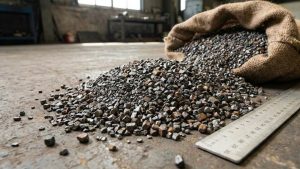
Steel grit blasting media is a metal-based abrasive manufactured from high-carbon steel. It is produced by crushing steel shot into angular shapes, creating sharp edges that cut into surfaces during blasting. This cutting action is what sets steel grit apart from round media.
Steel grit is commonly used on steel and other hard surfaces where surface preparation must meet specific requirements. Because it is magnetic, steel grit can be easily recovered and reused, making it a practical option for operations focused on efficiency and long-term cost control.
Key Characteristics of Steel Grit
- Angular particle shapes designed to cut and etch
- Available in a wide range of sizes and hardness levels
- High bulk density compared to mineral media
- Strong resistance to premature fracture
- Designed for repeated use with minimal breakdown
Steel grit is frequently chosen for applications where consistent surface texture and coating adhesion are critical.
How Steel Grit Works in Abrasive Blasting
When steel grit impacts a surface, its angular edges cut into the material rather than compressing it. This cutting action removes contaminants such as rust, mill scale, and old coatings while creating a sharp anchor profile.
Unlike softer blasting media that smooth or polish surfaces, steel grit intentionally roughens them. This makes it easier for coatings to bond, which improves durability and reduces the risk of early failure.
What Steel Grit Does Well
- Cuts through tough surface buildup
- Creates uniform surface texture
- Improves paint and coating adhesion
- Maintains performance across multiple blast cycles
Steel grit is designed for controlled aggression. It removes material efficiently without excessive surface damage when matched to the correct hardness and size.
Steel Grit vs Steel Shot: What’s the Difference?
Steel grit and steel shot are often compared because both are steel-based blasting media. The main difference comes down to particle shape and surface effect.
| Feature | Steel Grit | Steel Shot |
| Shape | Angular | Round |
| Surface action | Cutting | Peening |
| Profile | Sharp, textured | Smooth, compacted |
| Common use | Surface preparation | Finishing, cleaning |
Steel shot is commonly used when surface finishing or stress relief is required. Steel grit is ideal when aggressive cleaning, profiling, or deburring is needed. If surface preparation is the priority, steel grit is typically the better choice.
Steel Grit Hardness Levels Explained
Steel grit is manufactured in several hardness grades to suit different applications and equipment types. Selecting the correct hardness helps balance cutting power, surface finish, and equipment wear.
GP Steel Grit (Softer Grade)
- Approximate hardness: 40–52 HRC
- Starts angular and gradually becomes rounder
- Commonly used in wheel blast systems
- Easier on equipment over time
GL Steel Grit (Medium Hardness)
- Approximate hardness: 53–60 HRC
- Maintains angular shape longer
- Offers a balance of cutting power and durability
- Suitable for more demanding surface prep
GH Steel Grit (Hardest Grade)
- Approximate hardness: 60+ HRC
- Most aggressive cutting action
- Commonly used in blast rooms and pressure blasting
- Requires equipment designed to handle harder media
Choosing the right hardness helps meet requirements without unnecessary wear or media waste.
Steel Grit Sizes and Selection
Steel grit is available in multiple sizes, each producing a different surface result. Size selection affects cleaning speed, surface profile, and finishing outcome.
Common Steel Grit Sizes
| Grit Size | Typical Use |
| G16–G18 | Heavy rust, thick scale |
| G25–G40 | General surface preparation |
| G50–G80 | Finer profile, controlled finish |
| G120 | Light cleaning, finishing prep |
Larger grit sizes cut more aggressively, while smaller sizes produce a smoother profile. Matching the size to the surfaces being blasted helps achieve consistent results without over-processing.
Properties and Applications of Steel Grit Blasting Media
Steel grit is widely used across infrastructure, shipbuilding, automotive, and heavy equipment industries because of its aggressive cleaning power and cost efficiency. It is commonly applied to strip old paint and rust from bridge structures, prepare steel hulls for marine coatings, and clean engine blocks or chassis before finishing. The grit’s sharp, angular edges create a consistent microscopic anchor profile that improves coating adhesion. This makes it suitable for painting, powder coating, or welding applications.
Steel grit also supports higher productivity, often improving blasting efficiency by 10–20% due to its ability to remove heavy rust and old coatings quickly. Unlike silica sand, it is non-toxic and produces significantly less dust, improving operator visibility and safety. Steel grit is ideal for enclosed blast rooms where the media can be reclaimed and reused, and it is also used in stone cutting machinery for precision cutting of hard materials such as granite.
Common Applications of Steel Grit Blasting Media
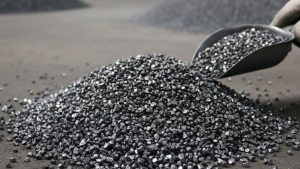
Steel grit is commonly used across industries where surface preparation quality matters.
Typical Applications
- Rust and mill scale removal
- Old coating removal
- Surface preparation before painting or powder coating
- Deburring metal components
- Structural steel cleaning
- Foundry desanding
- Ship hull and heavy equipment prep
Steel grit performs well on steel surfaces that require durability and precision rather than cosmetic finishing.
Equipment Compatibility and Blasting Methods
Steel grit works across multiple blasting systems when matched correctly.
Wheel Blast Machines
Wheel blast machines are often paired with GP or GL steel grit because these grades balance cutting power with equipment longevity. This setup works well for high-volume processing where consistent results are needed across large batches. Over time, the media gradually rounds, which helps reduce excessive wear while still maintaining effective surface preparation.
Blast Rooms and Pressure Blasting
Blast rooms and pressure blasting systems commonly use GH steel grit due to its higher hardness and faster cutting action. This makes it well-suited for removing heavy coatings, rust, and scale on large or complex parts. When equipment is properly designed for harder media, GH steel grit helps improve efficiency and reduce blasting time.
Blast Cabinets
Pressure blast cabinets can handle fine steel grit when controlled surface preparation is required. However, injection blast cabinets are usually unsuitable because the weight of steel grit makes consistent media flow difficult. Choosing the right cabinet type helps maintain performance and prevents unnecessary equipment strain.
Proper equipment selection ensures steel grit performs easily and safely within the system.
Durability, Recycling, and Cost Efficiency
Steel grit stands out for its durability and ability to be recycled many times. Unlike mineral abrasives that break down quickly, steel grit maintains usable shape across repeated cycles.
Benefits of Reusable Steel Grit
- Reduced media consumption
- Lower disposal costs
- Consistent blasting results
- Less downtime for media changes
Because steel grit can be recovered magnetically, it is easier to manage in controlled environments.
Surface Finish and Performance Results
Steel grit produces a uniform, matte surface finish with a sharp texture that promotes strong coating adhesion. This type of surface helps coatings bond more effectively and improves long-term performance under mechanical stress and environmental exposure.
Because of this, steel grit is often chosen when finishing systems require a strong mechanical bond, consistent profile depth, and reliable coating performance. When surface finish matters, selecting the correct grit size and hardness plays a key role in achieving predictable, repeatable results.
Surface Preparation Standards and Why They Matter
To ensure coatings perform as intended, industrial surface preparation is guided by standards developed by AMPP (formerly SSPC and NACE). These standards define acceptable cleanliness levels and surface profile requirements before any coating is applied.
Steel grit blasting is often selected because its aggressive cutting action and consistent profiling help contractors meet these abrasive blasting standards. When applied correctly, steel grit supports strong coating adhesion and long-term corrosion protection across a wide range of industrial applications.
How to Choose the Right Steel Grit Blasting Media
When selecting steel grit, consider:
- Surface material
- Required surface profile
- Coating or finishing method
- Equipment capability
- Desired production speed
Taking time to match media selection to the project helps avoid rework and improves final results. Reviewing media options with experienced professionals can also help refine the choice.
Other Sandblasting and Specialty Sign Services by CARV
In addition to industrial blasting media solutions, CARV applies proven surface preparation and machining techniques to specialty sign fabrication. These services emphasize precision, durability, and consistent finishes across a range of materials.
- Sandblasted Cedar Signs – Designed to highlight natural wood grain while maintaining depth, contrast, and long-term outdoor durability.
- Sandblasted HDU Signs – Lightweight, stable signs that allow for crisp detail, smooth finishes, and precise dimensional control.
- Channel Routed Specialty Signs – Precision-routed signage combining clean surface preparation with sharp lettering, texture, and professional detail.
These services reflect the same attention to surface preparation, material performance, and finish quality outlined throughout this guide, adapted specifically for architectural and signage applications.
Conclusion
Steel grit blasting media remains a dependable choice for industrial surface preparation because it delivers consistency, strength, and efficiency. When selected correctly, it supports better coating performance, cleaner surfaces, and more predictable results.
At CARV, surface preparation is treated as a critical step, not an afterthought. If you’re evaluating blasting media, reviewing project requirements, or planning your next order, whether it’s bulk quantities, 50 lb bags, or requesting a quote, working with professionals who understand media performance can make the process smoother from start to finish. Contact us today to discuss your application or request a quote.
FAQs
What is the recommended blast media for clean mild steel sheets?
Steel grit or fine steel shot is commonly used for cleaning mild steel sheets because it removes light mill scale while creating a controlled surface profile. Fine grit sizes help avoid over-texturing and keep the surface uniform. This makes the steel suitable for painting, coating, or fabrication.
Can steel grit blasting media be reused, and how many cycles does it last?
Steel grit blasting media is designed for multiple reuse cycles when used in controlled systems. Depending on hardness grade, blasting pressure, and recovery method, steel grit can often be reused dozens of times before breaking down. This reusability helps reduce media consumption, lower disposal costs, and maintain consistent surface preparation results over time.
What blasting media are best for achieving a uniform finish on non-ferrous metals like brass?
Glass beads gently clean the surface and create a smooth, satin, or misted appearance without aggressive cutting. Aluminum oxide provides slightly more cutting power while still maintaining control, making it useful when light oxidation or surface imperfections need to be removed. Using smaller grit sizes and lower air pressure helps prevent surface damage and ensures an even, consistent finish.
What soda-blasting media do you prefer for cleaning mild-steel surfaces before fabrication?
Baking soda media is often used for light cleaning when minimal surface profiling is needed. It removes oils, dirt, and light contaminants without altering the steel surface. This makes it useful when preserving surface dimensions is important before fabrication.