Sandblasting costs typically range from $2 to $15 per square foot, or about $50 to $300 per hour depending on the material, coating thickness, blasting media, and project complexity. Smaller jobs like wheels or furniture may cost under $300, while full vehicle, industrial, or restoration projects can cost several thousand dollars.
This guide breaks down average sandblasting prices by surface type, explains what affects the final quote, and compares common project costs for metal, wood, concrete, vehicles, and restoration work.
| Project Type | Average Cost |
|---|---|
| Car frame | $1,000–$4,000 |
| Wheels/Rims | $50–$200 |
| Wood furniture | $100–$500 |
| Brick wall | $2–$6/sq ft |
| Metal surface | $2–$5/sq ft |

What Is Sandblasting?
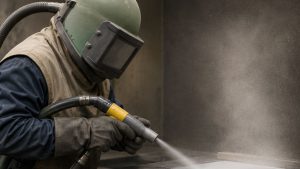
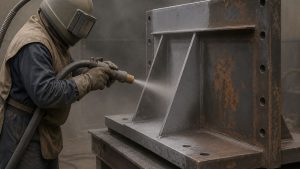
Sandblasting, also called abrasive blasting, uses compressed air to push abrasive media against a surface. It removes rust, paint, coatings, grime, and buildup so the material is ready for cleaning, refinishing, painting, or restoration. Sandblasting is commonly used for rust removal, surface cleaning, restoration work, and surface preparation before coating or painting.
What Affects Sandblasting Costs?
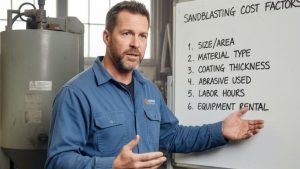
Sandblasting costs increase based on surface type, coating thickness, abrasive media, project size, accessibility, containment needs, and cleanup requirements. Delicate materials and heavy industrial coatings typically cost more because they require slower blasting methods and specialized equipment.
Surface Material
The surface material affects sandblasting cost because each material reacts differently to pressure and abrasive media. Steel and other hard metals can usually handle more aggressive media, while wood, plastic, aluminum, and other delicate surfaces often need softer media, lower pressure, and slower handling.
Concrete, brick, and masonry may also require different methods depending on the coating, surface condition, and finish goal. The more care or control the surface needs, the more the project may cost.
Size of the Project
Larger projects usually cost more because they require more labor, abrasive media, setup time, and cleanup. Small jobs, such as sandblasting a door or sign panel, may be priced as a flat minimum. Larger jobs, such as driveways, walls, or buildings, are often priced by square foot or custom quote.
Types of Abrasive Materials
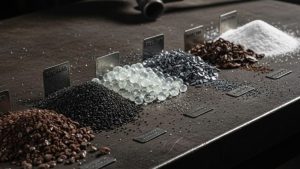
The abrasive material can affect sandblasting cost because each media type has a different price, cutting speed, reuse potential, and surface impact. Common options include:
- Silica sand: Once common in abrasive blasting, silica sand is now avoided in many professional settings because respirable crystalline silica can create serious health risks. If used, it requires strict dust control, respiratory protection, and compliance with safety rules.
- Glass bead: Glass bead blasting is often used for cleaning, polishing, and creating a smoother finish on metal surfaces. It is less aggressive than some harder media and can work well when the goal is a clean, satin-like finish.
- Plastic abrasive grit: Plastic media is often used on delicate parts when the goal is to remove coatings, paint, or residue without heavily etching the base material.
- Silicon carbide: Known for its high cost and exceptional durability, silicon carbide is suitable for challenging sandblasting jobs that require a hard, reusable abrasive. It is more expensive than most other media options.
- Aluminum oxide: Aluminum oxide is a hard, fast-cutting abrasive often used for rust removal, paint removal, and surface preparation on metal or other durable materials.
- Walnut shells: Walnut shell media is a softer option often used for wood, plastic, and other surfaces that need gentler cleaning.
- Corn cob media: Corn cob media is a softer, plant-based abrasive often used for delicate cleaning where aggressive cutting is not needed.
Intensity of Sandblasting
The pressure level affects how quickly the job moves and how aggressively the abrasive media removes coatings, rust, or buildup. Higher pressure may speed up removal, but it can also increase the risk of surface damage, dust, and cleanup needs.
- Light blasting: Often used for softer surfaces, detail work, or light cleaning.
- Medium blasting: Common for metal, concrete, and standard coating removal.
- Heavy-duty blasting: Used for thick coatings, heavy rust, industrial structures, or surfaces that need aggressive preparation.
Pricing can increase as intensity rises because heavier blasting may require more labor, stronger equipment, more media, and stricter containment.
Location and Accessibility
Project location can affect sandblasting cost because labor rates, travel time, setup needs, and disposal requirements vary by area. Hard-to-reach surfaces may also cost more if the contractor needs lifts, scaffolding, containment, or specialized blasting equipment.
Labor Costs
Sandblasting professionals may charge by the hour, by square foot, or by custom quote. The pricing method usually depends on the project size, surface type, coating condition, access, cleanup needs, and equipment required. Larger commercial projects often cost more because they may require trained operators, containment, dust collection, lifts, or specialized blasting systems.
Cost Breakdown of Sandblasting (Average Price Estimates)
Pricing note: The ranges below are general planning estimates. Actual sandblasting costs can vary by location, contractor, surface condition, abrasive media, containment needs, and project complexity. Always request a project-specific quote before setting a final budget.
| Surface Type | Cost Range |
| Metal Surfaces | $2 – $5 per square foot |
| Concrete Surfaces | $2.50 – $6 per square foot |
| Wood Surfaces | $3 – $7 per square foot |
| Tile (Sandblasting Tile) | $4 – $8 per square foot |
| Brick | $2.50 – $3.50 per square foot |
| Asphalt | $2 – $5 per square foot |
| Wrought Iron | $4 – $8 per square foot |
Cost per Square Foot
Cost per square foot is usually used when the contractor can measure a clear surface area, such as metal panels, walls, concrete, brick, or large flat surfaces. This pricing method helps estimate labor, abrasive media, and cleanup based on the size of the job.
Specialized methods, delicate surfaces, heavy coatings, or strict containment can raise the final price. For signs, custom pieces, and detailed restoration work, contractors may use a flat quote instead of a simple square-foot rate.
Wet sandblasting may cost more or less depending on the job because it adds water to the blasting process to help reduce dust and heat. It may be useful for certain automotive, marine, masonry, or populated-area projects where dust control matters.
Types of Sandblasting Services and Their Costs
Sandblasting is used in various sectors, and costs will vary depending on the type of service:
Residential Sandblasting
Residential sandblasting is often used for decks, patios, fences, driveways, gates, railings, and small exterior features. Pricing depends on surface size, material, coating thickness, access, and the level of cleanup required.
Commercial Sandblasting
Commercial sandblasting is used for buildings, warehouses, equipment, structural steel, storefront materials, and sign-related surfaces. These jobs often cost more because they may involve larger crews, containment, dust control, equipment access, and stricter project timelines.
Automotive and Marine Sandblasting
Automotive and marine sandblasting can remove rust, paint, oxidation, and buildup from vehicles, wheels, trailers, boat parts, and hull surfaces. Pricing varies widely because thin panels, curved surfaces, corrosion levels, and coating thickness affect the method and labor required.
Restoration Sandblasting
Restoration sandblasting is used for historical buildings, sculptures, vintage items, wood, masonry, and detailed surfaces. These jobs often require softer media, lower pressure, careful testing, and experienced operators to avoid surface damage.
How to Save on Sandblasting Costs
You can often reduce sandblasting costs by making the project easier to access, easier to quote, and easier to complete safely.
- Combine Jobs: If you have multiple surfaces to clean, consider having them done on the same day. This can reduce travel and setup costs.
- Get Multiple Quotes: Reach out to several sandblasting companies to compare prices and services. Don’t settle on the first quote you receive.
- Book During Off-Peak Times: Sandblasting costs may be lower during off-peak seasons when demand is lower.
- Choose the right abrasive: The right media can reduce rework, surface damage, and cleanup. Softer media may be better for delicate surfaces, while harder media may work better for heavy rust or thick coatings.
- DIY Surface Prep: If you’re able to prep the surface yourself (removing loose paint or grime), you may be able to reduce labor costs.
Safety and Environmental Considerations
Sandblasting can create dust, noise, flying debris, and waste material, so safety and containment should be part of every project estimate.
- Protective Gear: Always wear proper protective gear, including goggles, respirators, gloves, and ear protection.
- Dust control: Contractors may use wet blasting, containment, ventilation, or dust collection to reduce airborne particles. Dust control can affect pricing, especially when the job involves indoor work, silica risk, or sensitive surroundings.
- Coating removal: Removing paint, sealants, anti-corrosion coatings, or adhesives may require a specific media type and pressure level. Delicate surfaces need careful testing before full blasting begins.
- Waste disposal: Used media, dust, paint chips, rust, and coating debris may require proper collection and disposal. Disposal needs can increase the final project cost, especially for older coatings or regulated materials.
Getting Estimates from Sandblast Companies
When seeking estimates from sandblast companies, it’s important to compare not just prices, but also the range of services and expertise offered. Look for companies with a proven track record in sandblasting projects similar to yours, and ask for references or check online reviews to assess their reputation. A detailed estimate should include the cost per square foot or hourly rate, abrasive media, blasting method, labor, containment, cleanup, disposal, timeline, and any additional fees.
Be sure to inquire about specialized services such as dry ice blasting or plastic media blasting if your project requires a specific approach. Understanding the equipment and media blasting techniques a company uses can help you determine if they’re the right fit for your needs. Compare each estimate by scope, not just price. A lower quote may not include containment, cleanup, disposal, surface testing, or the right media for your material. For a full overview of the process, media types, safety concerns, and common uses, read our complete sandblasting guide.
Conclusion
Sandblasting cost depends on more than square footage. Surface material, coating thickness, abrasive media, access, labor, cleanup, and safety requirements all affect the final quote. A simple metal part may cost less than a detailed sign, delicate wood surface, or large restoration project that needs careful containment.
Need a professional sandblasting quote for signs, metal, restoration, or custom surfaces? CARV provides commercial and residential sandblasting services with surface-specific blasting methods designed to reduce damage and improve coating results. Contact our team to discuss your project size, material type, and finish goals.
FAQs
How expensive is sand blasting?
Sandblasting prices vary by surface material, project size, coating thickness, abrasive media, labor, access, and cleanup needs. Many contractors price by square foot, hourly rate, or custom quote, depending on the job.
How do you calculate sandblasting cost?
To calculate sandblasting cost, measure the surface area, identify the material, check the coating or rust level, choose the right abrasive media, and factor in labor, access, containment, cleanup, and disposal. A contractor can then price the job by square foot, hourly rate, or custom quote.
How much is sandblasting per hour?
Sandblasting hourly rates vary by location, contractor, equipment, surface condition, and project complexity. Jobs that require containment, dust collection, specialized media, or difficult access may cost more than basic surface cleaning.
How much does it cost to sandblast things?
The cost to sandblast an item depends on its size, material, coating condition, shape, and finish goal. Small parts, signs, wheels, furniture, vehicles, and restoration pieces may all require different media, pressure levels, and labor time, so a custom quote is usually the most accurate option.