If you’re involved in any kind of surface preparation, rust removal, or etching project, chances are you’ve heard of aluminum oxide sandblasting media. This powerful abrasive is widely used across multiple industries for its precision, efficiency, and durability. But why is it such a go-to choice for professionals?
Whether you’re preparing metal surfaces for coatings or stripping away corrosion from machinery, understanding the benefits and applications of aluminum oxide sandblasting media can make all the difference in achieving a smooth, clean finish. In this guide, we’ll break down everything you need to know about aluminum oxide, including its uses, advantages, safety practices, and tips for selecting the right grit size for your projects.
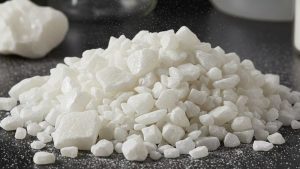
What is Aluminum Oxide?
Aluminum oxide (Al₂O₃), also known as alumina, is a naturally occurring compound commonly used as an abrasive in sandblasting. With its exceptional hardness and angular shape, aluminum oxide is capable of cutting through even the toughest materials, making it the ideal choice for various abrasive blasting applications. It’s produced by refining bauxite ore, which is primarily composed of aluminum oxide, and is available in several forms, including brown aluminum oxide, white aluminum oxide, and black aluminum oxide.
Key Properties:
- Hardness: Aluminum oxide ranks 9 on the Mohs scale, making it second only to diamond in terms of hardness. This makes it highly effective for cleaning and preparing surfaces.
- Shape: Its angular shape allows it to create deep profiles on the surface being blasted, which is especially important when applying coatings or removing contaminants.
- Durability: Aluminum oxide can be reused multiple times, reducing long-term costs for abrasive blasting operations.
Applications of Aluminum Oxide Blasting Abrasive
Aluminum oxide sandblasting media has various applications across industries that require precision and efficiency in their surface preparation processes. Below are some common uses:
Surface Preparation
Aluminum oxide is one of the most widely used abrasives for preparing metal surfaces. Whether you’re preparing a surface for coating, painting, or plating, aluminum oxide provides an excellent surface profile that enhances the bonding of coatings and reduces the risk of corrosion.
- Ideal for Steel & Aluminum: When it comes to preparing metals like steel and aluminum, the sharp edges of aluminum oxide help in removing rust, old paint, and other contaminants. This makes it the perfect choice for industries like automotive and aerospace.
2. Rust and Paint Removal
Aluminum oxide’s ability to effectively remove rust and paint from various surfaces is one of its most valued traits. This abrasive is frequently used to restore the integrity of metal parts and machinery.
- Cleaning Metals: For heavy-duty applications such as industrial machinery and shipbuilding, aluminum oxide blasting is an efficient method for rust removal and ensuring a smooth finish on metal surfaces.
3. Etching and Polishing
In addition to cleaning, aluminum oxide is ideal for polishing and etching surfaces. Its fine grit allows it to be used for delicate applications such as etching glass or polishing parts for a smooth, uniform finish.
- Glass Etching: Aluminum oxide media can be used in dry blasting to create custom designs and finishes on glass, making it popular in the decorative and sign-making industries.
4. Coating and Surface Profiling
Aluminum oxide’s angular shape ensures that coatings bond well by creating the necessary profile on the surface. It’s commonly used in preparing parts for specialized coatings such as hard chrome plating.
- Preparation for Coatings: Whether applying a corrosion-resistant layer or a decorative finish, aluminum oxide creates the necessary surface texture to enhance coating adhesion.
Types of Aluminum Oxide Media
When selecting aluminum oxide sandblasting media, you’ll find different types and grit sizes, each suited to a particular application. Here’s a breakdown of the main types:
1. Brown Aluminum Oxide
Brown aluminum oxide is the most commonly used form of aluminum oxide in abrasive blasting due to its versatility, durability, and effectiveness in general surface preparation, rust removal, and cleaning tasks. It’s a cost-effective choice that’s ideal for heavy-duty use, making it perfect for cleaning and preparing tough surfaces across a wide range of applications.
2. White Aluminum Oxide
White aluminum oxide is a higher-purity form of aluminum oxide known for its exceptional sharpness and hardness. It’s commonly used in industries requiring high precision and quality finishes, such as aerospace and semiconductor manufacturing. Ideal for polishing and etching delicate materials, white aluminum oxide produces less dust and debris, making it the preferred choice for applications that demand a cleaner, more refined finish.
3. Black Aluminum Oxide
Black aluminum oxide is a less commonly used form of aluminum oxide, but it’s highly effective for applications that require heavy-duty performance and a rougher finish. Known for its toughness, it’s ideal for high-impact applications that demand more aggressive abrasiveness, making it perfect for tough surfaces that need intense cleaning or profiling.
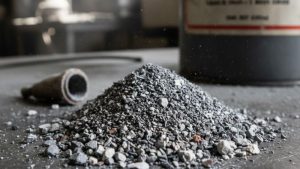
How to Choose the Right Grit Size for Your Project
Selecting the right grit size of aluminum oxide media is crucial for achieving optimal results. The size of the abrasive particles can significantly affect the quality of the surface preparation or cleaning job.
Fine Grit
- Application: Ideal for delicate tasks such as polishing or glass etching.
- Use: Fine grit is perfect for applications that require a smooth finish without damaging the surface.
Medium Grit
- Application: Best for general surface preparation and rust removal.
- Use: This grit size provides a balance between cleaning power and surface finish quality.
Coarse Grit
- Application: Used for heavy-duty cleaning, paint removal, and surface profiling.
- Use: Coarse grit is ideal for preparing hard metals and removing deep corrosion.
Aluminum Oxide Sandblasting Media Pros and Cons
This table format clearly outlines the advantages and disadvantages of aluminum oxide sandblasting media for easier comparison.
| Pros | Cons |
| Contains virtually no iron, preventing rust contamination on materials like stainless steel. | It can be more expensive upfront compared to other abrasives. |
| Achieves a consistent finish over time, making it cost-effective for projects requiring multiple rounds of blasting. | Produces a significant amount of fine dust during blasting, necessitating extra ventilation or dust collection systems. |
| Non-toxic and environmentally friendly compared to other abrasive materials like silica sand. | Highly abrasive and can damage softer materials if not handled with care. |
| Incredibly tough and durable, allowing it to withstand repeated use without breaking down quickly. | It may require more care during use due to its hardness, which can cause damage to softer surfaces. |
Safety Considerations When Using Aluminum Oxide Sandblasting Media
While aluminum oxide sandblasting media is highly effective, it’s important to follow proper safety measures to prevent health hazards and accidents.
1. Inhalation Risks
It is less prone to creating silica dust than sand. However, aluminum oxide dust can still cause respiratory problems, including silicosis, if inhaled. Always use an N95 or better respirator when working with aluminum oxide.
2. Eye Protection
Personal protective gear (PPG) is necessary when using aluminum oxide for sandblasting. Aluminum oxide can cause serious eye injuries if particles come into contact with the eyes. Use blast helmets with integrated face shields or shatterproof goggles to protect your eyes.
3. Dust Control and Ventilation
Proper ventilation and dust control are essential when sandblasting with aluminum oxide. Ensure that your work environment is well-ventilated and equipped with a dust collection system to minimize airborne particles. Regular cleanup using a vacuum (rather than sweeping) is essential to prevent dust from re-circulating.
Environmental Impact and Sustainability
One of the advantages of aluminum oxide blasting media is its recyclability. Unlike many other abrasives, aluminum oxide can be reused several times before its efficiency diminishes. This makes it a more environmentally friendly option compared to single-use abrasives like silica sand. Additionally, aluminum oxide generates less waste and produces less environmental damage when used properly.
At CARV, sustainability is at the forefront of our sandblasting services. We conduct all our sandblasting work in our facility using high-quality aluminum oxide media that can be reused multiple times. This not only helps us minimize waste but also ensures that we’re providing our clients with efficient, eco-friendly solutions. By using recyclable aluminum oxide, we contribute to reducing environmental impact while maintaining the highest standards of craftsmanship for your custom signs.
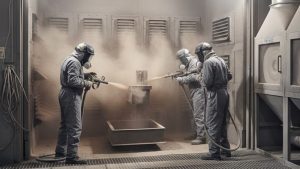
Other Services Offered by CARV
At CARV, we specialize in a wide range of custom signage solutions to meet the diverse needs of our clients. Whether you’re looking for something bold, durable, or uniquely designed, we offer a variety of options to elevate your brand presence. Here are a few of the services we provide:
- Wholesale Sandblasted Cedar Signs: For a timeless and classic look, our sandblasted cedar signs provide a rustic charm combined with exceptional durability. Perfect for businesses, resorts, and private properties, these signs can be customized to your exact specifications.
- Sandblasted HDU Signs: If you’re looking for a lightweight alternative to wood that offers long-lasting durability, our sandblasted HDU signs are an ideal choice. These high-density urethane signs are resistant to weathering and can be crafted into intricate designs for a stunning visual appeal.
- Channel Routed Specialty Signs: For a more modern look, we offer channel-routed specialty signs. These are perfect for creating high-contrast lettering or logos that stand out, with options to suit a variety of applications, from retail signage to corporate branding.
Each of these services is designed with quality, longevity, and customization in mind. Let CARV Signs be your trusted partner for all your signage needs.
Conclusion
Aluminum oxide sandblasting media is an essential tool for industries that require precision surface preparation, rust removal, and etching. With its durability, sharpness, and versatility, it’s clear why aluminum oxide remains a top choice for abrasive blasting professionals. Whether you’re cleaning metals, preparing surfaces for coating, or etching glass, the benefits of aluminum oxide are undeniable.
At CARV, we provide top-quality aluminum oxide media for all your abrasive blasting needs. If you’re looking for reliable and durable sandblasting materials that deliver precision and efficiency, contact us today to learn how our products can enhance your projects.
FAQs
Is aluminum oxide good for sandblasting?
Yes, aluminum oxide is an excellent choice for sandblasting due to its high hardness and angular shape, which makes it highly effective for surface preparation, rust removal, and cleaning tough surfaces.
Is aluminum oxide better than garnet blast media?
Aluminum oxide is generally more durable and reusable than garnet, making it a cost-effective option for heavy-duty blasting tasks. However, garnet is less abrasive and better suited for delicate applications where a finer finish is required.
What is aluminum oxide abrasive used for?
Aluminum oxide abrasive is commonly used for surface preparation, rust removal, paint stripping, etching, and polishing, especially on metals, glass, and ceramics, due to its high hardness and sharpness.
What is the best pressure for aluminum oxide blasting?
The ideal pressure for aluminum oxide blasting typically ranges from 90 to 120 PSI, depending on the surface and grit size, to achieve optimal cleaning or coating adhesion without damaging the material.