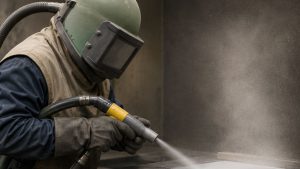
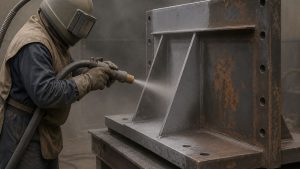
When it comes to restoring surfaces, removing rust, or prepping for a perfect paint job, sandblasting remains one of the most efficient methods available. It’s used across industries, from automotive restoration and construction to delicate glass etching and machinery maintenance. Sandblasting is just one of several abrasive blasting methods, which also include techniques like vapor blasting and have evolved over time to suit different applications.
This guide covers the sandblasting definition, key blasting methods, and types of abrasive blasting, like vapor blasting. You’ll also learn about tools, media selection, and how to choose the right abrasive for your surface finish.
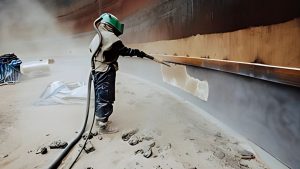
What Is Sandblasting?
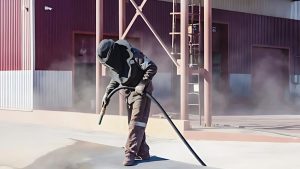
Sandblasting, also known as abrasive blasting, is the process of propelling a high-pressure stream of abrasive material against a surface to clean, shape, or prepare it for finishing. While vapor was the original abrasive used, hence the name, modern methods rely on a wide range of materials like crushed glass, steel shot, and baking soda, chosen based on the surface and the desired finish. An abrasive blasting system includes an air compressor, blast pot, nozzle, or cabinet, and proper PPE. It removes paint, rust, and debris while creating a textured surface that improves coating adhesion, which is essential when removing paint.
Types of Sandblasting Methods
Sandblasting isn’t a one-size-fits-all process, and investing in dustless blasting equipment can enhance the versatility. Abrasive blasting consideration is crucial, as it involves evaluating safety protocols, coatings, abrasives, and environmental factors to ensure the most effective and safe blasting method is selected. Depending on the job, environment, and surface, different blasting techniques are used.
Dry Sandblasting
The traditional method uses dry media propelled by compressed air. It is best used to remove paint, rust, mill scale, and old paint. However, it produces a lot of dust and poses potential health risks, such as exposure to silica. Common media used in dry blasting include crushed glass, aluminum oxide, and steel grit.
Wet Sandblasting
Wet sandblasting combines water with abrasive to reduce dust and heat. It is best for outdoor surfaces, masonry, and rust-prone areas. In addition, this method offers benefits such as less airborne dust and reduced warping from heat. Common media used include garnet, glass beads, and crushed glass.
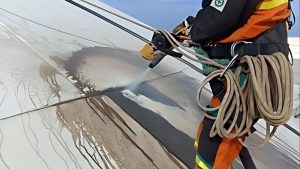
Vapor Abrasive Cleaning (aka Vapor Blasting)
Vapor blasting uses compressed air vapor and is an advanced form of wet blasting that combines water, abrasive media (like glass beads or aluminum oxide), and air in a pressurized chamber. This method reduces dust and airborne particles, making it a practically dust-free process and less invasive than dry blasting. The pressurized slurry improves cleaning efficiency and is especially effective for removing tough coatings.
Compared to dry or dustless blasting, vapor blasting produces less dust, is gentler on delicate surfaces, and offers better safety for workers and bystanders. Its low-dust output makes it ideal for residential areas and sensitive environments, especially when both surface cleaning and contaminant removal are needed.
Vapor Blasting Equipment
Vapor blasting setups are a bit more specialized than dry systems. They often include pressurized slurry tanks, vapor blasting cabinets (ideal for small parts and detailed jobs), slurry pumps that mix abrasive media with water, and nozzles optimized for wet applications. These components work together to deliver consistent, controlled blasting results.
Investing in the right compressed air vapor blasting reduces equipment and ensures efficient material flow, precise control, and extended media life. This not only enhances the quality of the finish but also improves operational safety and cost-effectiveness over time.
Vapor Blasting Applications
This method shines in industries where surface preservation and fine finishes matter, as it can simultaneously clean the surface while treating components. Common vapor blasting applications include automotive restoration tasks such as cleaning engine blocks, carburetors, and intake manifolds. In addition, it is widely used in the aerospace industry for treating delicate alloys and turbine parts.
Vapor blasting proves valuable in the marine sector for aluminum and stainless components, as well as in motorcycle and small engine repair. Its ability to clean without damaging surfaces makes it a preferred choice in these precision-focused industries.
Tips for Abrasive Blasting
Want to get the most out of your blasting project? Here are some expert safety tips for abrasive blasting as well. First, always do a small test blast before scaling up to ensure the media and pressure are right for the material. Then, use the correct nozzle size; too small reduces efficiency, while too large wastes media. Also, check air pressure regularly, as inconsistent pressure results in uneven finishes.
Reclaim media where possible. Materials like glass beads and steel shot are reusable, which helps cut costs. Lastly, wear proper PPE at all times. Always use respirators, gloves, and face shields to stay safe during blasting operations.
Safety Precautions for Sandblasting
Sandblasting, whether you’re using traditional abrasive blasting, vapor blasting, or wet blasting equipment, demands strict attention to safety. Here’s how to keep your workspace safe and your results top-notch.
Personal Protective Equipment (PPE)
Always wear proper PPE before using high-pressure air for abrasive blasting. Use a respirator or dust mask, safety goggles or a face shield, heavy-duty gloves, and hearing protection. For bigger jobs or high-powered equipment, add a blast suit and steel-toed boots for full protection.
Ventilation and Containment
Proper ventilation is essential, especially indoors or in tight spaces. Use exhaust fans or ventilation systems to control dust and vapor. In residential or sensitive areas, use containment tools like blast cabinets or rooms to prevent media like aluminum oxide or crushed glass from escaping.
Equipment Checks and Maintenance
Before each use, inspect your blast hose, blast nozzle, and blast pot for wear or damage. Leaks or weak spots can lead to dangerous blowouts. Make sure all connections are secure and that your compressed air system is functioning properly. Regular maintenance of your vapor blasting machines and portable vapor blasting machines ensures consistent performance and reduces the risk of accidents.
Safe Handling of Abrasive Media
Store abrasive materials, whether glass beads, baking soda, or aluminum oxide, in dry, designated areas to prevent contamination and spills. When loading blast pots or cabinets, use proper lifting techniques to avoid injury. Dispose of spent blasting media according to local regulations, especially if you’re removing extremely tough coatings that may contain hazardous substances.
Worksite Awareness
Always be aware of your surroundings. Keep workers and bystanders at a safe distance, and use barriers or warning signs when blasting in open areas. For jobs that require you to simultaneously clean the surface and remove coatings, ensure that your setup, whether it’s a slurry blasting and Venturi system or a vapor blasting cabinet, minimizes dust and debris.
Method Selection and Equipment Choice
Choosing the right blasting method, including understanding dustless blasting what differentiates it, is a key safety consideration. Vapor blasting reduces dust compared to dry blasting, making it a safer option for many applications. Consult the complete dustless blasting equipment catalog or similar resources to explore pricing equipment the industry recommends and to select the best system for your needs, especially when working in sensitive locations or on delicate surfaces.
Ongoing Training and Best Practices
Stay up-to-date with the latest safety tips for abrasive blasting by attending training sessions and reviewing manufacturer guidelines. Regularly review your abrasive blasting process and update your procedures as new equipment or abrasive blasting media become available.
By following these safety precautions and choosing the right compressed air vapor blasting equipment or dustless blasting equipment for your job, you can ensure a practically dust-free process that protects both people and property. For more detailed guidance, always refer to the complete Dustless Blasting catalog and consult with industry experts before starting new projects. Safety should always be your top priority, no matter the blasting method or media you choose.
Choosing Vapor Blasting Equipment
If you’re considering vapor blasting for your business or hobby, think about several key equipment factors. Cabinet size matters; large cabinets allow for bigger parts and more flexibility in project scope. Additionally, when considering the media and water mixture, slurry pump quality is essential, as reliable mixing pumps ensure smoother operation and consistent blasting performance.
Moreover, media compatibility is crucial, especially when considering portable vapor blasting machines. Always ensure your equipment works with the media you plan to use, whether it’s glass beads, garnet, or another type. Finally, consider a Venturi nozzle, which provides better media flow and reduces clogging, helping you maintain efficiency and avoid downtime.
Dry Blasting vs Soda Blasting vs Vapor Blasting
Each method has its pros and cons, and vapor blasting vs dry blasting, what differentiates them is the process and outcomes.
| Method | Key Strengths | Limitations |
| Dry Blasting | Aggressive, efficient | High dust, not ideal for soft parts |
| Soda Blasting | Very gentle, non-destructive | Low reuse can be messy |
| Vapor Blasting | Dust-free, gentle yet effective | Higher upfront equipment cost |
Differences Between Vapor Blasting and Venturi Dustless
While both reduce dust, they operate differently. Vapor blasting mixes water and abrasive in a pressurized slurry, creating a consistent and controlled stream for surface treatment. In contrast, Venturi dustless blasting uses Venturi injection to introduce water at the nozzle tip, keeping the abrasive dry until impact.
As a result, Venturi Dustless Blasting is often preferred for field work due to its portability and effective dust suppression. Meanwhile, vapor blasting slurry systems are ideal for fine, controlled shop work where precision and surface finish are top priorities.
Vapor Blasting Cabinets vs Open-Air Blasting
| Feature | Vapor Cabinets | Open-Air Blasting |
| Dust Control | Excellent | Poor |
| Media Containment | Recyclable | Lost to the environment |
| Detail Work | Ideal | Not ideal |
| Cost Efficiency | Higher upfront, better long-term | Lower cost, more waste |
For precision or indoor use, vapor blasting cabinets offer control and cleanliness that dry or open-air setups can’t match.
Conclusion
Sandblasting has evolved far beyond its sandy origins, with many choosing blasting equipment over the dry method. From traditional dry blasting to advanced vapor abrasive cleaning, each method serves a unique purpose, whether you’re stripping rust, prepping for paint, or achieving a smooth, satin finish on precision parts. By understanding the differences between blasting techniques, equipment options, and media types, you can choose the right approach for your specific project with confidence.
If you’re looking for expert sandblasting services done right, CARV has you covered. We offer in-shop vapor blasting, media blasting, and surface prep tailored to your needs. Contact us today to request a quote or schedule a drop-off.
FAQs
Can I reuse blasting media?
Yes, you may reuse blasting media depending on the type. Steel shot and aluminum oxide are highly reusable. Soda and crushed glass usually aren’t.
What is vapor blasting?
Vapor blasting is a type of wet abrasive blasting that mixes water, abrasive media, and compressed air to clean or finish surfaces with minimal dust. It is ideal for delicate parts because the vapor blasting abrasive shape makes it gentler than traditional dry blasting.
What is the description of sandblasting?
The description of sandblasting is a process that propels abrasive material at high speed using compressed air to clean, strip, or etch surfaces. It’s commonly used in surface preparation for metal, concrete, and other hard materials.
What is sandblasting in painting?
Sandblasting in painting refers to the surface preparation technique that removes old paint, rust, and contaminants to create a rough surface profile. This helps new paint or coatings bond more effectively to the substrate.