A well-chosen concrete finish can completely transform your driveway, pool deck, or patio. One such finish gaining popularity is the sandblasted concrete finish. This technique not only enhances the appearance of concrete surfaces but also improves their durability and functionality. Whether you’re working on a residential project or a commercial space, sandblasting offers a versatile solution that adds texture and slip resistance.
In this article, we’ll explore what makes sandblasted concrete so appealing, how the process works, and what the result is, making it an excellent choice for various applications. We’ll also compare it to other concrete finishes, helping you determine if it’s the right option for your project.
What is Sandblasted Concrete Finish?
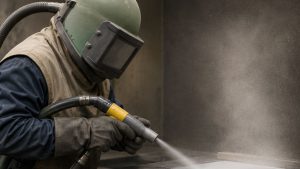
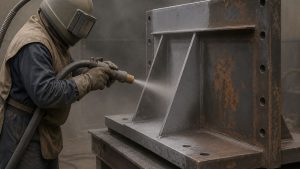
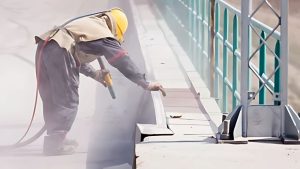
A sandblasted concrete finish is created by using an abrasive material (typically sand) that is blasted onto a cured concrete surface. The pressure from the sandblasting process removes the top layer of the concrete, revealing the aggregates beneath. This exposes the sand, stones, and other materials mixed in the concrete, giving the surface a textured, more rugged appearance.
Not only does this process improve the aesthetics of the concrete, but it also enhances the durability of the surface, making it more resistant to wear and tear over time. The finish also increases the surface’s ability to bond with other treatments, such as sealants or stains.
How Sandblasted Concrete Finish is Created
The process of creating a sandblasted concrete finish involves several essential steps:
Step 1: Surface Preparation
Before sandblasting begins, the concrete surface needs to be thoroughly cleaned to remove any debris, dirt, or oil. This ensures that the abrasive material works effectively, leaving behind a smooth, clean finish.
Step 2: Abrasive Selection
The most common abrasive used in sandblasting is traditional sand, but other materials like glass beads or crushed garnet can also be used, depending on the desired finish. Each abrasive material creates a different texture and effect.
Step 3: Sandblasting
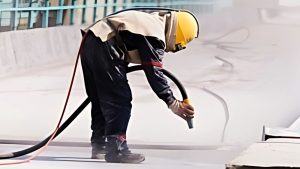
The selected abrasive material is blasted onto the concrete surface using high-pressure air. The pressure and speed of the blast are adjusted based on whether you want a light, medium, or heavy sandblast finish.
Step 4: Sealing
After sandblasting, the concrete surface is often sealed to protect it from moisture, stains, and environmental damage. A clear or tinted sealant can be applied to maintain the texture and improve the surface’s durability.
Types of Sandblasted Concrete Finishes
There are three main types of sandblasted concrete finishes, each offering different levels of texture and aggregate exposure. Lighter sandblast finishes are surface treatments that create a softer, more natural stone appearance, often chosen for their aesthetic appeal and slip resistance. These finishes can be difficult to replicate on large projects and are often compared to medium and heavy sandblast finishes in terms of aggregate exposure and visual texture.
Light Sandblast Finish
A light sandblast finish creates a subtle texture by exposing a minimal amount of the aggregate. This makes it perfect for areas where you want a smoother surface but still need some slip resistance, such as driveways or patios. The benefits of this finish include a smooth texture with slight aggregate exposure, offering a refined look while maintaining functionality. It’s also great for residential spaces like driveways and pool decks, where a balance of aesthetics and safety is essential. Additionally, it provides added slip resistance without being overly rough, making it ideal for areas that see frequent foot traffic.
Medium Sandblast Finish
A medium sandblast finish reveals a balanced mix of fine and coarse aggregates, providing more texture compared to a light sandblast finish. This finish is ideal for high-traffic areas like walkways or public spaces where durability and aesthetics are both crucial. The benefits of a medium sandblast finish include providing more texture and traction, making it suitable for commercial areas and driveways. Moreover, it’s perfect for spaces where both aesthetics and functionality are important, ensuring that the surface not only looks good but also performs well under heavy use.
Heavy Sandblast Finish
A heavy sandblast finish exposes the largest coarse aggregates, creating a rugged, industrial look, characteristic of a sandblasted concrete finish. This finish is excellent for outdoor areas that see a lot of foot traffic, such as industrial sites or parking lots. The benefits of a heavy sandblast finish include providing maximum slip resistance, making it highly effective in areas where safety is a top priority. Additionally, it is ideal for high-traffic, outdoor areas, ensuring that the surface can withstand heavy use. Moreover, it creates a strong, durable surface, perfect for environments that demand both toughness and traction.
Benefits of Sandblasted Concrete Finish
Durability and Longevity
A sandblasted concrete finish enhances the durability of concrete by making the surface more resistant to wear and environmental damage. Exposing the aggregate strengthens the concrete and helps prevent surface cracking and degradation.
Aesthetic Appeal
The texture created by sandblasting provides a more natural, stone-like appearance. Whether you’re aiming for a subtle look with a light finish or a bold, textured surface with a heavy sandblast finish, the result is a concrete surface that looks and feels unique.
Slip Resistance
One of the biggest advantages of sandblasting is the improved traction it provides. The rougher texture makes it much safer, especially in wet or outdoor areas like pool decks or walkways.
Sandblasting vs Other Concrete Finishing Methods
There are several other ways to finish concrete surfaces, each with its own benefits. Here’s a quick comparison:
Sandblasting vs Polished Concrete
Polished concrete uses diamond pads to grind and smooth the surface to a glossy finish. It’s ideal for a sleek, modern look, but it doesn’t provide the same level of texture or slip resistance as sandblasted concrete. On the other hand, sandblasted concrete provides a textured surface with more slip resistance, making it a better choice for outdoor or high-traffic areas. While polished concrete offers a sophisticated aesthetic, sandblasted concrete excels in areas where traction and durability are priorities.
Sandblasting vs Acid Etching
Acid etching uses chemicals to etch the surface, creating a texture. While effective, it doesn’t expose the aggregate like sandblasting and can be less durable. In contrast, sandblasted concrete offers a more consistent, controlled texture and better durability over time. While acid etching may provide a textured finish, sandblasting delivers superior results in terms of longevity and the ability to highlight the natural beauty of the aggregate.
Common Applications of Sandblasted Concrete Finish
Sandblasting is an extremely versatile concrete finish that can be used in a variety of residential, commercial, and industrial applications.
Residential Applications
A light sandblast finish on a driveway enhances both its aesthetic and functionality, providing better grip and a modern appearance. Similarly, pool decks benefit from a medium sandblast finish, which offers slip resistance and a stone-like appearance, making it ideal for wet areas. Additionally, patios can be transformed with sandblasted concrete, providing a beautiful, natural, and durable finish that adds character and longevity to outdoor spaces. Whether for driveways, pool decks, or patios, sandblasted concrete offers the perfect combination of beauty and practicality.
Commercial Applications
A heavy sandblast finish ensures durability and slip resistance for parking lots and driveways, making it ideal for high-traffic areas. Similarly, walkways benefit from sandblasting, as it provides a safe and attractive surface for pedestrian areas in commercial spaces. Both applications leverage the benefits of sandblasted concrete, offering superior traction and longevity while maintaining an aesthetically pleasing appearance.
Industrial Applications
Sandblasting is ideal for industrial flooring because of its durability and resistance to heavy foot traffic. The textured surface created by sandblasting enhances traction, making it safer for workers in environments where spills or wet conditions are common. Additionally, this type of finish improves the concrete’s ability to withstand the wear and tear that comes with high-traffic areas, ensuring that the flooring maintains its functionality and appearance for years to come.

Is Sandblasted Concrete Eco-Friendly?
While sandblasting uses abrasives that are typically derived from natural materials like sand, it’s important to consider the environmental impact of the process. However, modern sandblasting techniques are becoming more environmentally friendly. For instance, some sandblasting companies use recycled glass or other sustainable materials as abrasives, helping to reduce the environmental footprint of the process. Eco-friendly considerations include looking for companies that use recycled abrasives and opting for low-impact sandblasting methods to reduce environmental effects. These practices not only make the process more sustainable but also contribute to a greener approach to concrete finishing.
Cost of Sandblasted Concrete Finish
The cost of sandblasting cement depends on several factors, including the finish depth, square footage of the area, and type of abrasive used. On average, expect to pay anywhere from $3 to $10 per square foot for standard sandblasted finishes, with additional costs for custom designs or more intricate treatments. Factors influencing cost include the size of the project, the depth of sandblasting (whether it’s light, medium, or heavy), and the type of abrasive used. Additionally, other treatments like sealing or staining can increase the overall cost, depending on the complexity of the finish and the desired outcome.
Conclusion
A sandblasted concrete finish offers the perfect blend of aesthetic appeal, durability, and functionality. Whether you choose a light sandblast finish for a smooth surface or a heavy sandblast finish for a rugged look, sandblasting is an ideal solution for residential, commercial, and industrial projects. This versatile finish enhances both the beauty and performance of concrete surfaces, making it a great option for a wide range of applications.
At CARV, we understand that choosing the right finish for your project is crucial to achieving the desired aesthetic and functionality. If you’re considering adding sandblasted concrete to your next project, it’s essential to work with professionals who understand the process. For expert installation and high-quality sandblasted concrete finishes, contact us today. We offer durable, custom concrete solutions that will enhance the beauty, safety, and longevity of your space.
FAQs
What is sandblasted concrete?
Sandblasted concrete is a concrete surface that has been treated with an abrasive material, such as sand, to remove the outer layer and expose the aggregates underneath, creating a textured finish.
What is sandblasted finish?
A sandblasted finish is a textured surface created by blasting an abrasive material onto cured concrete to expose the underlying aggregate, providing a more rugged, non-slip surface.
What does sandblasted look like?
Sandblasted concrete typically has a textured, stone-like appearance, with varying levels of aggregate exposure depending on the depth of sandblasting, ranging from subtle to highly rugged.
What are the benefits of sand blasting?
The benefits of sand blasting include improved slip resistance, enhanced concrete durability, and a visually appealing textured surface that can be customized for different applications.