Plastic can be a tricky material to work with, especially when it comes to surface preparation, coating removal, or refinishing. Unlike metal or wood, plastic has a lower heat threshold and is more prone to warping, scratching, or melting if you use the wrong sandblasting media or apply too much pressure. That’s why sandblasting plastic isn’t as straightforward as it sounds. It requires specialized knowledge, proper equipment, and careful material handling to avoid damaging the surface.
In this article, we’ll break down the best practices for blasting plastic safely and effectively. You’ll learn which blasting media work best for different types of plastic surfaces, how to adjust your setup for optimal results, and common mistakes to avoid. Whether you’re removing old paint, stripping away stubborn surface coatings, or restoring clear plastics like polycarbonate or acrylic, here’s what you need to know to get a clean, smooth finish without causing harm.

Can You Sandblast Plastic?
Yes, you can sandblast plastic, but only if you use the right equipment and blasting media. Because plastics are softer materials, traditional abrasives like silica sand or aluminum oxide can easily cause damage by generating excess heat, leaving scratches, or even creating melt marks on the surface.
To avoid this, opt for gentler, low-friction options like glass beads, plastic media, or soda blasting. These materials are specifically designed to clean or strip plastic without harming it and are often used in automotive restoration, electronics manufacturing, and sign-making. Just be sure to match your sandblasting media to the type of plastic surface you’re working on. Harder plastics such as polycarbonate and acrylic can withstand slightly more pressure and are commonly used in industrial parts, while softer plastics like polyethylene or PVC require a much lighter touch for the best results without distortion.
Choosing the Right Sandblasting Plastic Media
Your results depend on the blasting media you choose. Here’s a breakdown of some commonly used options and how they perform on plastic surfaces. Glass beads are good for achieving a smooth surface finish and are excellent for cleaning without removing too much material. Plastic media is designed specifically for plastic sandblasting and is ideal for removing surface coatings without gouging or scratching. Meanwhile, aluminum oxide is generally too aggressive for most plastics, but it may work for harder plastics when applied carefully and at lower pressures.
In addition, soda blasting is a non-toxic, soft option that works well on translucent plastics or delicate parts, offering effective cleaning with minimal damage. On the other hand, silica sand has high abrasion and friction, which can lead to melting and micro-scratches, making it a poor choice for plastic sandblasting. Always consider the nature of your plastic material and the finish you want to achieve before choosing the right sand for the job.
How the Sandblasting Process Works on Plastics or Plastic Surface
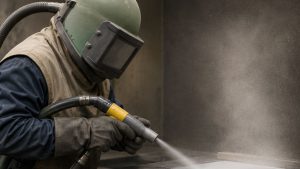
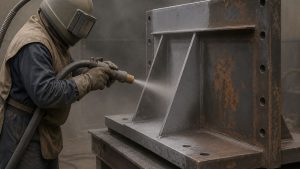
The basic sandblasting process for plastic follows these steps and requires extra care due to the sensitive nature of the material. Preparation is key; start by cleaning the plastic surface thoroughly to remove dust or grease. Then, choose the right nozzle and PSI: it’s best to use a wide, soft-spray nozzle at low pressure (usually under 80 PSI) to reduce heat and friction. Next, select suitable media by picking a soft blasting media with a low impact rating to avoid surface damage.
Additionally, pay attention to your angle and distance. Hold the nozzle at a 45-degree angle and maintain a safe distance to avoid deforming the plastic. It’s also smart to take cooling breaks, pause between passes to allow the plastic to cool, especially when working on large areas. This step-by-step sandblasting process minimizes surface damage while still providing effective coating or paint removal, helping you achieve the best results safely.
When to Use Blasting Media on Plastic Parts
Here are some common reasons to sandblast plastic materials, especially in industrial, manufacturing, or restoration settings. One major use is removing chipped coatings or peeling paint, which helps prepare the surface for repainting, refinishing, or reuse. This is especially important when working with plastic components that require a clean, smooth surface for new coatings or adhesives. Additionally, sandblasting is excellent for prepping a plastic surface for bonding or adhesion, ensuring a clean and slightly roughened finish that improves grip for coatings, adhesives, or resins.
Furthermore, sandblasting is effective for cleaning pipes, industrial plastic parts, or transparent panels that are often exposed to build-up, dust, or residue. It’s especially useful for polycarbonate, acrylic, and other transparent plastics in applications where clarity and transparency need to be restored, such as in light fixtures, displays, or protective barriers. Another application includes restoring polycarbonate, acrylic, or glass-reinforced plastics, which helps bring back clarity, uniformity, and durability to parts like automotive headlamps, signage, and decorative panels. Lastly, sandblasting is ideal for etching plastic for labeling or texture improvement, providing a consistent surface for printing or design. Etching can also be used in creating custom patterns or logos on products like cosmetic packaging or promotional items. Always test a small area first to avoid any unexpected surface damage or heat marks, especially on more delicate materials like PVC or polyethylene, which are more sensitive to abrasive treatments.

Things to Watch Out For
Working with plastic comes with a unique set of risks that must be addressed for a safe and effective outcome. One major concern is friction and heat, which can cause plastic to melt or warp during blasting. In addition, static charge is another issue, so it’s important to use anti-static equipment and proper grounding to prevent damage or safety hazards. Moreover, dust generation can be a problem when blasting plastics; make sure to use a non-toxic media and proper ventilation to maintain a safe work environment.
Another factor to consider is the initial cost. While specialized equipment may have a higher upfront investment, it’s necessary for best results and to avoid costly mistakes. In fact, using poor technique or improper media is one of the most common mistakes when sandblasting plastic. It can easily cause scratches, uneven finishes, or even break the part, especially when dealing with softer or thinner plastics.
Tips for Best Results
To achieve a high-quality surface finish, it’s important to follow a few essential tips that reduce damage and improve results. First, always keep the work area cool and well-ventilated, which helps prevent heat buildup that could warp the plastic. Additionally, make sure to use media designed for soft surfaces, as this reduces the risk of gouging or scratching. Moreover, avoid excessive pressure; remember, power isn’t always better when dealing with plastics.
Furthermore, rotate the part if possible to ensure even blasting coverage, which helps maintain a consistent finish across the entire surface. Finally, clean the part thoroughly after blasting to remove any leftover particles that might interfere with painting or bonding. Want a smooth, professional finish? Then invest in quality equipment, take your time, and always test your media first to make sure it’s suitable for the type of plastic you’re working with.
Conclusion
Sandblasting plastic isn’t one-size-fits-all; it requires the right media, tools, and technique to get the job done without causing damage. Unlike metal or wood, plastics respond differently to pressure and heat. That means using traditional abrasives or the wrong PSI can easily lead to melted spots, scratches, or warping. Whether you’re prepping a plastic part, cleaning coatings, or restoring translucent surfaces like polycarbonate panels or acrylic signage, always work carefully and choose your materials wisely for best results.
At CARV, we specialize in low-impact sandblasting for plastic surfaces, from automotive parts and commercial signage to delicate molded components and clear display panels. We use professional-grade equipment, non-toxic blasting media, and precision techniques designed to protect your materials while restoring their appearance. Contact us today to get expert support and high-quality results that preserve your plastic parts and deliver a clean, polished finish.
FAQs
What plastics can be sandblasted?
Plastics that can be sandblasted include tougher materials like polycarbonate, acrylic, and nylon. These have higher heat resistance and good impact resistance, making them suitable for controlled sandblasting. Softer plastics like polyethylene or PVC are more sensitive and require gentler techniques.
What media to use for sandblasting plastic?
The best media to use for sandblasting plastic is soft, low-abrasion materials like glass beads, plastic media, or baking soda. These reduce friction and surface damage while effectively removing coatings or contaminants. Avoid harsh media like silica sand or aluminum oxide unless working with very hard plastics.
How to get a smooth finish on plastic?
To get a smooth finish on plastic, use low-pressure, soft blasting media, and a consistent distance and angle during blasting. It’s important to rotate the part evenly and allow cooling breaks to prevent heat buildup. Always clean the part afterward to remove any residual particles.
Can plastic be sandblasted?
Yes, plastic can be sandblasted, but only with the proper equipment, media, and technique. Using high-pressure or aggressive materials can damage the surface, so a low-impact approach is essential. The goal is to remove coatings or prep surfaces without scratching or melting the plastic.