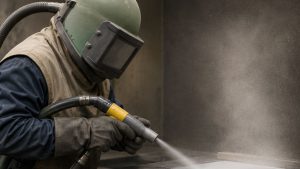
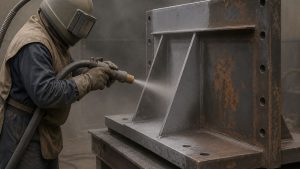
Outdoor furniture, especially metal and plastic furniture, takes a beating. Sun, humidity, rain, and time slowly wear away the surface coat, allowing rust and debris to set in. If you’ve ever typed “sandblasting near me” while staring at a corroded chair, you’re not alone.
More homeowners are discovering the power of abrasive blasting to revive what looked like junk. Whether you’re curious about how sandblasting works or you’re ready to refinish patio furniture metal frames, this guide breaks it all down and shows how to remove dirt effectively.
What Is Sandblasting?
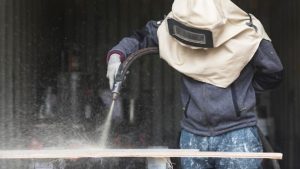
Sandblasting is a surface preparation process that uses abrasive blasting media, like glass grit, aluminum oxide, or steel shot, propelled by compressed air to clean or texture surfaces.
It’s one of the most effective ways to remove paint, loose rust, oxidation, and dirt from metal surfaces, leaving them smooth and ready for a new coat of spray paint or powder coating.
Compared to a wire brush, sanding block, or even a spinning wheel, sandblasting is:
- More uniform
- More efficient for tight spaces
- Less damaging than grinding or harsh chemical stripping
Whether it’s aluminum, steel, or even cast iron, sandblasting helps prep the entire piece for finishing, no flaking, no bubbling, just clean bare metal at high speeds.
How Does Sandblasting Work?
Here’s a simple breakdown of the sandblasting process:
| Step | Description |
| 1. Preparation | Furniture is cleaned of debris and disassembled if needed |
| 2. Media Selection | Choose from glass beads, steel grit, silicon carbide, or others |
| 3. Blasting | Abrasive media is shot through a blast hose using an air compressor |
| 4. Surface Finish | Leaves a clean, smooth surface ready for coating or painting |
| 5. Cleanup | Dust Collection, air blowdown, or washing ensures a clean surface |
Common Types of Abrasive Blasting
- Dry blasting: Ideal for removing paint and rust
- Wet blasting: Adds water to reduce dust, perfect for heat-sensitive metals
- Shot blasting: Uses steel abrasives to create a smoother finish
- Bead blasting: Gentler and leaves a polished look
Pro Tip: Some pros use blast cabinets or blast rooms with negative pressure systems to safely contain abrasive material.
The Sandblasting Process
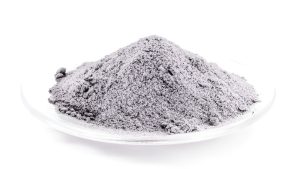
The sandblasting process includes several key steps designed to strip surfaces efficiently and safely:
- Inspection & Safety Setup – The item is reviewed for damage, and safety gear (masks, gloves, goggles) is put in place.
- Media Matching – Technicians choose the right media (e.g., crushed glass, aluminum oxide) for the surface type and condition.
- Controlled Blasting – The technician uses a blasting nozzle to apply abrasive pressure in even passes, adjusting distance and angle for uniformity.
- Post-Blast Cleanup – The item is blown clean using compressed air or rinsed to remove residual particles.
- Finishing Options – Items are either left raw, powder-coated, or painted based on the project requirements.
This method not only ensures a smooth finish but also reduces labor time compared to manual sanding or brushing.
Sandblasting Equipment You Should Know
Professional sandblasting involves high-grade equipment that ensures both precision and safety. Here are a few main components and essentials used in most abrasive blasting systems:
| Equipment | Purpose |
| Blast Pot | Holds the abrasive media under pressure |
| Air Compressor | Powers the entire system by delivering high-pressure air |
| Blast Hose and Nozzle | Directs the abrasive stream toward the surface |
| Blast Cabinet / Blast Room | Contained spaces for safe and clean blasting |
| Dust Collector | Captures airborne particles and maintains visibility/safety |
This setup ensures that delicate surfaces can be cleaned without warping, and hazardous dust doesn’t escape into the workspace. For outdoor furniture, this equipment makes a night-and-day difference in the final finish.
Why Sandblasting Is Best for Refinishing Metal Lawn Furniture
Your outdoor furniture is built to last, but only if it’s maintained. Over time, the original paint or coats begin to fail, letting loose rust and other forms of rust creep in. Sandblasting resets the clock. We commonly refinish a wide range of outdoor furniture, including wrought iron chairs, steel benches, aluminum patio sets, and vintage metal furniture. These pieces often have strong structural integrity but suffer from surface rust, peeling paint, or weather wear, making them ideal candidates for restoration through professional sandblasting.
Sandblasting metal lawn furniture offers several key benefits. First, it provides significant cost savings, as a full refinishing job is often more affordable than buying a new set. It also opens up custom color options, allowing homeowners to prep pieces for powder coating or spray painting in any finish they choose. Beyond aesthetics, sandblasting is eco-friendly, helping reduce waste by keeping bulky furniture out of landfills. For those with sentimental or irreplaceable items, the process also preserves heirloom value by restoring original beauty and extending the lifespan of cherished pieces.
You don’t need to discard your favorite set just because of a little rust. A professional sandblasting service can restore it with precision using the right blast media and blasting material.
How to Refinish Patio Furniture Metal Frames the Right Way
Here’s the ideal 3-part process to get your outdoor metal furniture looking new again:
1. Surface Prep
A thorough abrasive blasting removes every bit of oxidation, paint, and grime. This step is crucial, spray paint or powder won’t adhere properly to unclean surfaces.
2. Apply a New Coating
You have two solid options: either spray or brush on the finish.
| Method | Pros |
| Powder Coating | Most durable, chip- and weather-resistant, cured in an oven |
| Spray Painting | Easier for small DIY jobs, must use a rust-inhibiting primer |
Apply three coats for long-term durability, especially in humid climates.
3. Replace and Reassemble
Add replacement parts, cushions, or foot caps to complete the finished product.
Can I Do It Myself?
You could try, but here’s how DIY compares to a professional abrasive blasting system:
| DIY Kit | Professional Service |
| Requires air compressor, gear, space | Has all the tools: blast pot, cabinet, etc. |
| May not remove all rust or paint evenly | Delivers clean, even results on the entire piece |
| Limited to basic blasting material | Offers advanced blast media options |
| Messy, time-consuming | Clean, fast turnaround with dust collection |
Unless you already own a full sandblasting equipment setup, hiring a specialist is almost always more cost-effective and cleaner.
Before & After: What Sandblasting Can Really Do
| Before Sandblasting | After Sandblasting |
| Flaking or peeling paint | Even smooth surface |
| Rust and oxidation | Cleaned down to bare metal |
| Weather-stained or faded | Ready for a new coat or color |
| Aged, dull appearance | Fresh, modern look with protection |
Just imagine your vintage garden bench coming back to life in under a week.
What to Look For in a Sandblasting Service Near Me
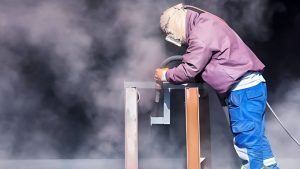
When searching for “sandblasting near me,” here’s what to check:
- Do they have experience with outdoor furniture?
- Do they use high-quality abrasive media for delicate metals?
- Is pickup and delivery available?
- Do they offer coating services too?
- Do they operate in a clean blast room with dust collection systems?
Ready to Refinish? Let’s Bring Your Metal Furniture Back to Life
Sandblasting is one of the most effective ways to restore metal patio furniture, removing years of rust, paint, and weather damage to reveal a clean, smooth surface ready for a fresh finish. Whether you’re looking to preserve a vintage set or breathe new life into your backyard setup, professional abrasive blasting delivers fast, reliable results that DIY methods often can’t match.
At CARV, we specialize in furniture sandblasting and abrasive blasting for small metal parts. We offer precise, in-shop blasting for everything from patio chairs to vintage benches. If you’re in Valparaiso, Florida, drop by or contact us for a quote. We’ll restore your outdoor furniture with expert care using professional-grade abrasive blasting systems.
FAQs
Does sandblasting stop rust?
Sandblasting stops rust by removing all surface corrosion and exposing clean, bare metal. However, it doesn’t prevent future rust unless silica sand or another protective coating is applied afterward.
Will rust come back after sandblasting?
Yes, rust will come back after sandblasting if the metal is left uncoated. To prevent this, the surface must be painted or powder coated soon after blasting.
What is the best material for sandblasting?
The best material for sandblasting depends on the surface, glass beads or aluminum oxide are ideal for metal furniture, while harder abrasives like steel grit are best for heavy-duty industrial jobs.
Can you use normal sand for sandblasting?
No, you should not use normal sand for sandblasting due to health risks like silicosis. Professional abrasive media like crushed glass or garnet is safer and more effective.