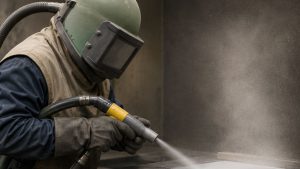
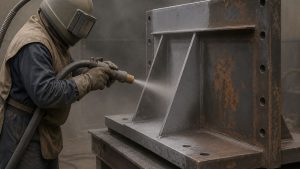
Sand blasting sand refers to abrasive material used in blasting, but it is not always actual sand today. Traditional silica sand was once common, but many professionals now avoid it because the dust can create serious respiratory risks. Modern sandblasting often uses alternatives like crushed glass, garnet, aluminum oxide, glass beads, baking soda, walnut shells, or steel grit.
This guide explains what sand blasting sand means, why silica sand can be risky, which safer blasting media are commonly used instead, and how to choose the right abrasive for your surface.

What Is Sandblasting?
Sandblasting, also called abrasive blasting, uses compressed air or blasting equipment to push abrasive media against a surface. The process removes rust, paint, coatings, grime, and buildup so the surface is ready for cleaning, refinishing, painting, or restoration.
Traditional sandblasting often used silica sand. Today, many professionals choose other abrasive media, such as crushed glass, garnet, aluminum oxide, silicon carbide, glass beads, or baking soda, depending on the surface, coating, finish goal, and safety needs.
Sandblasting is commonly used to remove paint and rust, smooth rough surfaces, etch glass or stone, and clean concrete, brick, metal, and equipment surfaces.
Sand Blasting Sand vs Modern Blasting Media
Sand was once the common abrasive for blasting, but many jobs now use modern blasting media instead. These alternatives can reduce dust, improve control, protect delicate surfaces, or create a more predictable finish.
| Media Type | Common Use | What to Know |
| Silica sand | Older abrasive blasting work | Sharp and aggressive, but creates serious dust and silica exposure concerns |
| Crushed glass | Paint removal, general surface prep | Recycled option with lower silica risk than traditional sand |
| Garnet | Coating removal, metal, and marine work | Durable, controlled, and often used where lower dust matters |
| Aluminum oxide | Rust, paint, durable materials | Hard, fast-cutting, and reusable |
| Glass beads | Cleaning and satin finishes | Gentler option for polishing and controlled finishing |
| Baking soda | Delicate surfaces, light coating removal | Soft media that cleans without deep surface cutting |
| Walnut shells | Wood, plastic, delicate materials | Softer plant-based option for gentle cleaning |
Each type of abrasive media serves a specific purpose, especially when used at high speeds. For example, glass grit and glass beads are great for gentle cleaning, while aluminum oxide is a powerhouse for heavy rust or corrosion.
Why Silica Sand Can Be Risky
Silica sand can create respirable crystalline silica dust during blasting. These fine particles can enter the lungs and may cause serious health problems when workers inhale them without proper protection. Because of this, many professional blasting jobs now use non-silica media, containment, ventilation, and respiratory protection.
Silica risk is one reason “sandblasting” is often called abrasive blasting today. The process may still use the old name, but the media is often crushed glass, garnet, aluminum oxide, glass beads, baking soda, or another safer alternative.
What Does “Sand Blasting Sand” Mean Today?
When people say “sand blasting sand,” they may mean traditional blasting sand or abrasive media used in a sandblaster. In many professional settings, the material is no longer actual sand. Contractors often choose media based on the surface, coating thickness, finish goal, equipment, and safety requirements.

When choosing blasting media, consider the grit size, surface hardness, coating thickness, desired finish, and dust-control needs. Finer grit can create a smoother finish, while coarser grit removes coatings faster. Hard surfaces can usually handle more aggressive media, but softer surfaces need lower pressure and gentler abrasives.
For a deeper comparison of abrasive options, read our sandblasting media guide before choosing a material for your project.
Equipment Also Affects Media Choice
The blasting equipment can limit which media you can use. Some systems work better with fine media, while others need heavier abrasives or specialized nozzles. Blast cabinets, pressure pots, siphon systems, dust collectors, and air compressors all affect media flow, pressure, cleanup, and final results.
Basic blasting equipment may include an air compressor, blast pot or siphon system, hose, nozzle, containment setup, and dust control system. The media must match the equipment so it flows properly and produces the intended surface finish.
When Sandblasting Sand Is Not the Best Choice
Sand is not always the best blasting media, especially for delicate surfaces, indoor work, soft metals, wood, detailed signs, or projects with strict dust-control needs. Softer or lower-dust media can often clean the surface with less risk of damage or airborne dust.
For thick rust or heavy coatings, professionals may choose aluminum oxide, steel grit, or garnet. For wood, signage, aluminum, or delicate restoration work, softer media like walnut shells, baking soda, crushed glass, or glass beads may be a better fit. Always test a small area before full blasting begins.
Safety Tips When Using Blasting Media
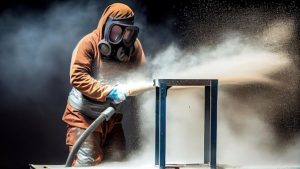
Blasting can create dust, flying debris, noise, and spent media. If the media contains silica, the dust risk becomes more serious. Workers should use proper respiratory protection, eye protection, gloves, protective clothing, containment, ventilation, and cleanup procedures.
Basic Safety Measures:
Use non-silica media when possible, especially for professional or enclosed work. Wear a respirator, eye protection, gloves, hearing protection, and protective clothing. Use containment, dust collection, or ventilation to reduce airborne particles. Clean up spent media, dust, paint chips, and coating debris after blasting.
How Containment Helps Control Dust
Containment can reduce mess, improve visibility, and help collect spent media. Blast cabinets work well for smaller parts because they keep abrasive material inside an enclosed space. Larger projects may need blast rooms, temporary containment, or dust collection systems.
A blast cabinet can help contain dust, reuse media, improve control, and reduce cleanup. For professional work, containment also helps protect nearby surfaces and keeps the blasting process more controlled.
Safer Alternatives to Traditional Sand
Many blasting jobs now use alternatives to traditional silica sand. Common options include crushed glass, garnet, aluminum oxide, glass beads, baking soda, walnut shells, corn cob media, and steel grit. These media can improve control, reduce silica exposure risk, or better match the surface being cleaned.
The best alternative depends on the material and finish goal. Crushed glass and garnet can work well for coating removal. Aluminum oxide can handle tougher surfaces. Glass beads create smoother finishes. Walnut shells, corn cob media, and baking soda are better for gentle cleaning. PPE and containment are still necessary, even when using lower-dust media.
Conclusion
Sand blasting sand is an older term, but today’s blasting projects often use safer and more controlled abrasive media instead of traditional silica sand. The right choice depends on the surface, coating thickness, desired finish, dust-control needs, and equipment. For many projects, crushed glass, garnet, aluminum oxide, glass beads, baking soda, or walnut shells may be a better fit than sand.
At CARV, we provide professional sandblasting services for signs, metal surfaces, restoration work, and custom projects at our Valparaiso, Florida studio. Our team helps choose the right abrasive media, pressure, and finish approach for your material. Contact us today to discuss your project and request a quote.
FAQs
What sand is used for sand blasting?
Sand blasting may use crushed glass, garnet, aluminum oxide, glass beads, baking soda, walnut shells, or other abrasive media. Traditional silica sand was once common, but many professionals avoid it today because silica dust can create serious health risks.
What is the best alternative to sand for sandblasting?
The best alternative depends on the surface. Crushed glass and garnet work well for many coating-removal jobs. Aluminum oxide works well for tougher surfaces. Glass beads, baking soda, walnut shells, and corn cob media are better for smoother or more delicate surfaces.
What materials are used instead of sand in sandblasting?
Common materials include crushed glass, garnet, aluminum oxide, steel grit, glass beads, baking soda, walnut shells, corn cob media, and plastic media. Each option creates a different surface profile and works best for specific materials.
Can you use play sand for sandblasting?
Play sand is not recommended for sandblasting. It may contain silica, moisture, uneven particles, and contaminants that can clog equipment, create dust hazards, or produce inconsistent results. Use blasting media designed for abrasive blasting instead.