There’s nothing that ages a car faster than a set of wheels covered in rust, chipped paint, or fading clear coat. Over time, grime, oxidation, and road salt take their toll on both steel wheels and aluminum wheels, leaving them dull and damaged. That’s why many car enthusiasts and professionals turn to sandblasting wheels, a proven way to strip away old coatings and restore rims to a smooth, clean surface that’s ready for paint, powder coat, or polish.
If you’ve been thinking about refinishing your wheels, this guide will show you exactly what sandblasting involves, the different methods and materials used, and whether it makes sense to DIY or trust the job to a professional.
What Is Wheel Sandblasting?
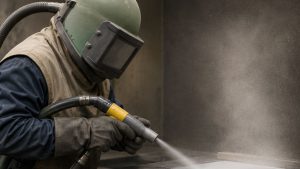
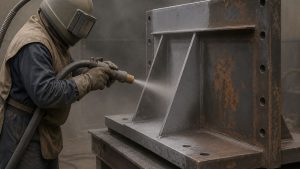
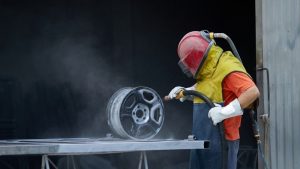
Sandblasting, or abrasive blasting, uses a high-pressure stream of abrasive media to strip away paint, rust, primer, clear coat, and grime from wheels. This process exposes the bare aluminum or steel underneath, creating a smooth, clean surface that’s ideal for refinishing.
The setup usually involves a blasting cabinet to contain dust, an air compressor with a nozzle, and the right abrasive media, such as aluminum oxide, crushed glass, glass beads, walnut shells, or soda. The blaster directs the stream across the wheel’s surface, cutting through old coatings and contaminants so the wheel is ready for powder coating, painting, or sealing.
Why Sandblast Wheels?
Sandblasting wheels offer several key benefits. It quickly removes rust, corrosion, paint, and old coatings, making it especially valuable for older steel wheels or neglected rims. By creating a slightly roughened texture, sandblasting also improves surface adhesion, ensuring that new powder coats, paint, or clear coats bond securely.
Beyond surface prep, sandblasting is a powerful restoration tool. It brings tired aluminum wheels and steel rims back to life, ready for refinishing. Compared to hand-sanding, which can take hours, blasting cuts the time dramatically and delivers a smooth, professional-quality finish with far less effort.
Methods of Sandblasting Wheels
There are several methods for sandblasting wheels, each with its own strengths and limitations. The right choice depends on the wheel material, desired finish, and whether you’re tackling the project at home or leaving it to a professional.
Dry Sandblasting
Dry sandblasting is the traditional method that uses compressed air and abrasive media to clean wheels. It’s fast, widely available, and highly effective for tackling heavy rust, but it creates significant dust and may leave embedded particles, often requiring extra cleaning or polishing afterward.
Wet Sandblasting (Vapor or Slurry)
Wet sandblasting, also called vapor or slurry blasting, mixes water with abrasive media to reduce dust, deliver a smoother finish, and speed up blasting time. The main drawback is that wheels must be coated or primed quickly afterward to prevent flash oxidation.
DIY Sandblasting
DIY sandblasting with small at-home blasters or portable cabinets can be affordable and practical for small jobs, but it’s messy, slower, and often inconsistent. Without proper equipment, there’s also a risk of damaging the wheel’s aluminum substrate or leaving the surface too rough for proper coating.
Best Media for Sandblasting Wheels
Choosing the right blasting media depends on whether your wheels are aluminum or steel, and what finish you want:
| Media | Best Use | Pros | Cons |
| Aluminum Oxide | Stripping paint/coating, heavy corrosion | Aggressive, creates a strong anchor profile | It can be too harsh on thin aluminum |
| Crushed Glass | General wheel blasting | Effective, eco-friendly, leaves a smooth finish | Creates moderate dust |
| Glass Beads | Prepping for polish or smooth finish | Gentle leaves a satin-like surface | Slower blasting time |
| Walnut Shells | Light cleaning, delicate surfaces | Biodegradable, less aggressive | Not strong enough for heavy rust |
| Soda (Bicarbonate) | Removing dirt, paint, and grease | Easy cleanup, gentle | Won’t remove heavy rust |
| Garnet | Fast, heavy blasting | Cuts quickly, low dust cloud | May mark soft aluminum |
Sandblasting Aluminum Wheels
Because aluminum is softer than steel, it needs a gentler blasting approach. Using too much air pressure or the wrong media can easily warp or gouge the aluminum substrate, so it’s best to start with lower pressure, around 50–60 PSI, and select media that suits the job. Glass beads, soda, or crushed glass are ideal for removing paint, grime, and light coatings without damaging the surface.
When preparing aluminum wheels for refinishing, aluminum oxide or crushed glass works well since they create a light texture that helps powder coat or paint bond securely. To prevent oxidation, it’s important to apply a primer, paint, or powder coat immediately after blasting while the surface is fresh and clean.
Sandblasting Wheel Rims
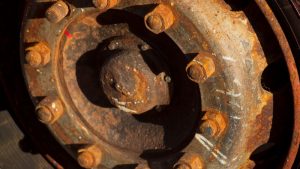
Older wheel rims often suffer from deep rust, chipped paint, and layers of clear coat. Sandblasting rims is one of the quickest and most effective ways to strip them down to bare steel or aluminum, restoring a clean surface for refinishing.
The process involves removing tires, valve stems, and hardware, then masking off areas you don’t want blasted. Inside a blasting cabinet, use aggressive media like aluminum oxide for steel wheels or gentler options such as glass beads for aluminum. Once rust, paint, and primer are fully removed, the rims are ready for powder coat or paint, resulting in a durable, like-new finish.
Equipment and Process
Professional wheel sandblasting usually involves the use of cabinets with LED lighting for better visibility, rotating tables to hit all angles evenly, and cyclone fans with dust collectors to reduce mess. Many setups also feature self-cleaning filters that keep blasting efficiently and consistently, ensuring wheels are treated thoroughly while maintaining a cleaner work environment.
The process begins by removing tires and masking areas that need protection. Next, the technician fills the blaster with the chosen media and blasts the wheel surface evenly, adjusting the nozzle’s distance and angle for precision. Once complete, the rim is carefully washed and inspected, then a primer or coating is applied immediately to seal the surface and protect it from oxidation.
Cost of Sandblasting Wheels
Prices for sandblasting wheels vary depending on their condition, size, and finish. Basic DIY blasting kits range from $35–$100 for equipment and media, making them a budget-friendly option for small projects. Professional blasting only typically costs $50–$100 per wheel, offering a cleaner and more efficient process than at-home methods.
For those wanting a complete refinishing service, blasting plus powder coat usually falls between $100–$150 per wheel. When you factor in the cost of materials, time, and cleanup, many people find that paying a professional is worth the money for consistent, long-lasting results.
Aftercare and Coating
Once wheels are blasted, proper finishing is critical to lock in protection and keep rims looking their best. Here’s how the most common options compare, along with important steps to follow:
Powder coat
This is the most durable option. The powder is electrostatically applied and baked on at high temperatures, creating a tough shell that resists rust, chips, and road wear. It’s especially effective for steel wheels and daily drivers because it lasts for years with minimal maintenance.
Paint + clear coat
A more budget-friendly alternative that gives wheels a fresh look. A solid layer of automotive paint is applied, followed by a clear coat for shine and added protection. While it’s less durable than powder coating, it allows for easier touch-ups and is a good choice for those who frequently change the wheel’s appearance.
Wash, dry, and treat
Before applying any finish, wheels must be thoroughly washed to remove blasting dust and debris. Dry them completely to prevent moisture from getting trapped under the coating, which can cause oxidation or rust over time.
Primer under paint or powder
Adding a primer layer is one of the best ways to maximize protection. Primer helps the paint or powder coat bond securely to the wheel’s surface, filling microscopic imperfections left by blasting and preventing peeling or early wear.
Other Services We Offer at CARV
While we provide professional wheel sandblasting and refinishing, our expertise extends far beyond automotive projects. CARV is one of the nation’s leading wholesale sign manufacturers, trusted by sign companies across the U.S., the Caribbean, and beyond. Our specialties include:
- Sandblasted Cedar Signs – Durable, timeless business signage crafted from premium cedar wood, known for its natural grain, weather resistance, and long-lasting quality.
- Sandblasted & Routed HDU Signs – Lightweight yet strong signs available in pebble-blasted or woodgrain finishes, ideal for bold and creative designs.
- CNC V-Carve, Prismatic & Channel Routed Signs – Precision-routed signs with sharp detail, dimensional depth, and a professional 3D finish for standout branding.
At CARV, every sign is hand-finished, painted, and quality-checked to ensure consistency and durability. Whether you need custom cedar signage, lightweight HDU options, or CNC-routed designs, our team delivers fast turnaround, nationwide shipping, and competitive wholesale pricing.
Conclusion
Sandblasting is one of the most effective ways to restore tired rims, whether they’re steel wheels from an old truck or modern aluminum wheels ready for a new powder coat. By choosing the right blasting media, treating the surface correctly, and applying a proper finish, you can extend the life of your wheels and bring back their original shine.
At CARV, we specialize in professional wheel sandblasting and refinishing services that deliver smooth, long-lasting results. If you’re ready to give your car’s wheels the treatment they deserve, contact us today. We’ll help you plan the best finish to protect and transform your ride.
FAQs
Can you sandblast wheels?
Yes, you can sand blast wheels to remove paint, rust, primer, and grime, leaving a clean surface that’s ready for powder coating, painting, or sealing.
How much to sandblast a car wheel?
The cost to sandblast a car wheel typically ranges from $50–$100 per wheel, while blasting plus powder coating can cost $100–$150 per wheel.
What is the purpose of sandblasting?
The purpose of sandblasting is to strip away old coatings and corrosion while creating a textured surface that helps new paint or powder coat bond securely.
Is sandblasting good for a car?
Sandblasting is good for a car when used on parts like wheels or frames, but it must be done carefully to avoid damaging delicate surfaces or panels.