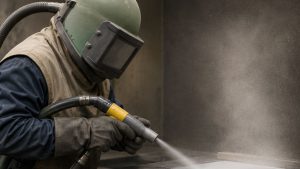
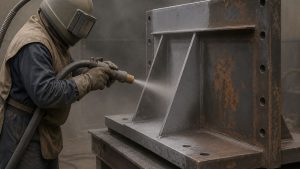
Your truck rims go through a lot, road grime, chipped paint, and everyday wear can leave aluminum wheels looking dull and tired. Instead of replacing them, sandblasting aluminum rims is a reliable way to strip away old coatings, rust, and buildup to bring them back to a clean, smooth surface. This process not only improves the look of your wheels but also prepares them for long-lasting protection.
At CARV in Valparaiso, Florida, we specialize in professional sandblasting that preps your rims for a fresh finish, whether you want them powder-coated, painted, or polished. By choosing the right blasting media and pressure, we ensure your aluminum substrate is treated safely. This leaves you with wheels that look sharp and stay durable on the road.
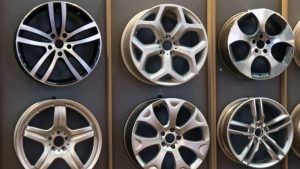
Why Sandblast Aluminum Rims?
Aluminum rims and steel wheels naturally pick up scratches, chips, and corrosion over time. Sandblasting resets them by stripping away old paint, primer, and clear coat while also removing oxidation, rust, and built-up grime like brake dust or road dirt. This process gets into areas that sandpaper or a simple wash can’t reach, so it is far more effective for a complete clean.
Once the surface is bare, sandblasting, at this point, creates the right texture for new coatings such as powder coat, paint, or sealants to properly bond. With the right blasting media, like glass bead, soda, or crushed glass, rims can even be polished smooth again. The result is a refreshed, durable finish that improves both appearance and longevity, all without the high cost of replacing wheels.
Wet Blasting vs Dry Blasting
Both methods can be used on aluminum rims for various purposes, but each has pros and cons.
| Method | Pros | Cons |
| Dry Blasting | Fast paint removal, strong surface prep | Creates dust, may leave embedded media, usually needs polishing |
| Wet Blasting (Vapor/Slurry) | Dust-free, smoother finish, reduces blasting time | Must coat rims quickly to prevent oxidation |
For rims that will be powder-coated or painted, dry blasting with the right media works well. If you want a smoother finish and less dust, wet blasting is the better choice to rest easy knowing your rims are in good hands.
Best Media for Sandblasting Aluminum Rims
Choosing the right abrasive to fill the gaps is critical. Too aggressive, and you’ll damage the aluminum substrate. Too soft, and you won’t strip off paint or rust effectively.
Glass bead
Produces a smooth, satin-like finish that’s excellent for polishing. It doesn’t remove as much material as harsher abrasives; therefore, it’s a safe choice for restoring aluminum rims without causing surface damage. Best for wheels that will be polished or clear-coated afterward.
Soda (bicarbonate)
A gentle option that’s perfect for catching oxidation or light coatings. Soda blasting is non-aggressive, so it won’t pit or warp the aluminum. It’s often used when you need to clean rims without altering their dimensions or profile.
Walnut shells or corn cob
These organic options are eco-friendly and less aggressive, so they are often used for delicate cleaning jobs. While they don’t strip heavy paint or rust quickly, they’re an awesome choice for lightly tarnished rims. These organic abrasives work best when only a gentle clean is needed.
Aluminum oxide
A harder abrasive that’s very effective for prepping rims for powder coat or paint. It cuts through old coatings and rust quickly, leaving a textured surface that allows new coatings to bond well. Ideal when durability and adhesion are priorities.
Crushed glass
As a fan of efficiency, sharp and efficient, crushed glass removes paint, primer, and coatings in less time. It leaves behind a consistent anchor profile that makes powder coating or painting last longer. It’s often used when rims need a full strip and refinish.
Grit Size and Pressure Settings
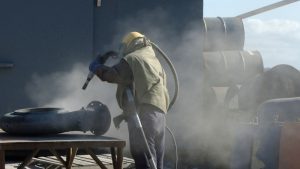
Blasting rims is not about hitting them with as much force as possible. Using coarse media or high PSI can easily warp or pit the aluminum surface, creating more problems than it solves. Of course, to avoid damage, the goal is to use settings that clean effectively while still protecting the rims.
The recommended grit size is 80–100, which is fine enough for aluminum. Starting PSI should be around 50–60, increasing slowly if needed. The best practice is to always test a small section before blasting the entire rim and taking pics of the results. This balance ensures the rims are stripped clean without harming the surface, leaving them ready for paint, powder coat, or polish.
Can You Sandblast Aluminum Rims at Home?
It’s possible, but risky. Many DIYers use Harbor Freight blasters and sand in a cabinet, but mistakes often happen:
- Using the wrong media → scratches or corrosion.
- Blasting at too high pressure → warped rims.
- Not coating afterward → fast oxidation.
- Failing to mask tires or valve stems → unnecessary damage.
If you’re trying to save money, DIY might seem like a good idea. But if you want quality results and a finish that lasts, a professional shop is the safer choice.
After Sandblasting: Coating and Protection
Bare aluminum rims will oxidize quickly if left untreated, so coating them after blasting is essential. The best long-term protection comes from a powder coat or paint, which creates a durable layer against moisture, salt, and road debris. Powder coating, in particular, bonds tightly to the aluminum substrate and provides a smooth, uniform finish that resists chips and scratches better than standard paint. If you prefer the natural metal look, applying a clear coat or sealant is a good way to preserve the finish without altering the style, while still sealing the surface against oxidation.
Even with coatings, regular care is important. Simple steps like waxing and washing help protect the surface and keep rims looking sharp. Using a pH-balanced wheel cleaner can prevent buildup without damaging the finish, and if you soak them in it, reapplying a protective wax every few months adds an extra barrier against water and grime. Skipping this stage means your rims will dull quickly, coatings may fail sooner, and corrosion is more likely to return, undoing the benefits of the sandblasting job.
Best Media for Sandblasting Aluminum Rims
To make it simple, the blasting media you choose depends on your goal. For polishing, glass bead or soda works best because they leave a smooth finish without being too aggressive. If you’re preparing rims for a new powder coat or paint, aluminum oxide or crushed glass will strip coatings effectively and create the right surface profile.
For those who want an eco-friendly option, walnut shells are a safer, less abrasive choice, though they work more slowly on tough coatings. Each material has a specific purpose, so the key is to beat the process by matching the media to the end result you want for your aluminum rims.
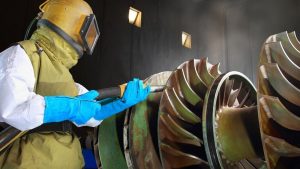
Other Services We Offer at CARV
In addition to professional wheel sandblasting and refinishing, CARV is a trusted wholesale sign manufacturer serving sign companies across the U.S., the Caribbean, and beyond. Our expertise covers a wide range of high-quality signage solutions designed for durability, style, and lasting impact.
- Sandblasted Cedar Signs – Crafted from premium cedar wood, these signs highlight the natural grain of the material while offering excellent weather resistance and long-term performance.
- Sandblasted & Routed HDU Signs – A lightweight yet durable option, available in finishes like woodgrain or pebble-blasted, perfect for bold, detailed designs.
- CNC V-Carve, Prismatic & Channel Routed Signs – Precision-machined signage with sharp detail, dimensional depth, and a clean 3D look that elevates any brand.
Every sign we produce is hand-finished, painted, and inspected for quality. Whether you’re looking for traditional cedar, versatile HDU, or custom CNC-routed designs, CARV provides fast turnaround, competitive wholesale pricing, and reliable nationwide shipping.
Conclusion
Sandblasting aluminum rims is one of the most effective ways to remove paint, rust, and grime while preparing your wheels for a fresh finish. With the right blasting media, grit size, and protective coating, rims can be restored to look like new and built to last longer.
At CARV Signs & Sandblasting in Valparaiso, Florida, we specialize in rim restoration, automotive parts, and metal surface treatments done with precision and care. If your wheels are looking worn, don’t risk DIY mistakes. Contact us today for professional sandblasting that protects your investment and gets your car looking its best again.
FAQs
Can I sandblast aluminum wheels?
Yes, you can sandblast aluminum wheels as long as you use the correct blasting media and pressure settings. Softer options like glass bead, soda, or crushed glass work best to avoid damaging the aluminum substrate. A professional shop can ensure the job is done safely and leaves the wheels ready for powder coat or paint.
Is it okay to sandblast aluminum?
It is okay to sandblast aluminum when the right grit size and blasting media are used. Coarse or aggressive materials can pit the surface, so fine media like glass bead or soda is recommended. Proper technique ensures the aluminum stays smooth and free from unnecessary damage.
Can you sand down aluminum rims?
You can sand down aluminum rims by hand or with sandpaper, but it’s often less effective than blasting. Sanding takes more time and may not fully remove paint, primer, or oxidation. Sandblasting provides a faster, more thorough cleaning for rims that need refinishing.
What grit to sandblast aluminum wheels?
The best grit to sandblast aluminum wheels is typically between 80 and 100. This grit size is fine enough to protect the rims while still removing paint, rust, and grime effectively. Starting with lower PSI and testing a small section ensures the grit works properly without damaging the wheels.