When it comes to wood restoration, choosing the right abrasive can make all the difference. Walnut shells for sandblasting wood have gained significant attention in recent years due to their delicate yet highly effective cleaning capabilities. Whether restoring vintage furniture, removing paint from wood, or handling industrial cleaning, walnut shells offer an eco-friendly solution. They efficiently clean surfaces without damaging the underlying material, making them a preferred choice. Walnut shells are effective for sandblasting wood, providing gentle yet powerful cleaning. Professionals and DIY enthusiasts alike trust walnut shells for their performance and safety.
In this blog post, we’ll explore the benefits of walnut shells for sandblasting and their comparison to other abrasives. We’ll discuss why they are the preferred choice for wood restoration, emphasizing their gentle yet effective cleaning. From paint removal to eco-friendly solutions, walnut shells offer unique advantages over traditional blasting materials. Their combination of effectiveness and safety makes them a top choice for various restoration projects, encouraging feedback from users.

What is Walnut Shell Blasting?
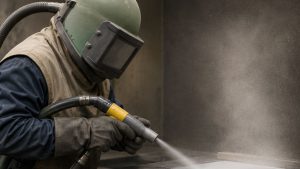
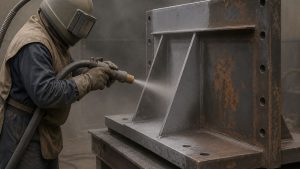
Walnut shell blasting is a surface preparation technique that uses crushed walnut shells as the abrasive media. This process involves propelling walnut shells at high speed through a sandblaster to remove contaminants like paint, dirt, and rust from various surfaces. Unlike harsh abrasives that can damage delicate materials, walnut shells are softer and provide a gentle yet effective cleaning solution.
The walnut shells used in sandblasting come in different grit sizes, making them suitable for a wide range of applications. This includes wood restoration, automotive cleaning, and even delicate aerospace part maintenance. They effectively clean surfaces and are biodegradable and non-toxic, making them safer for both workers and the environment.
Key Benefits of Walnut Shell Blasting
Walnut shell blasting offers numerous advantages, establishing it as a go-to choice for surface preparation, especially when working with delicate materials like wood. From its gentleness to its environmental benefits, walnut shell blasting ensures effective cleaning without compromising the integrity of the underlying surface.
Gentle Yet Effective Abrasive
One of the main advantages of walnut shells for sandblasting wood is their gentleness. Unlike abrasives like steel grit or sand, walnut shells are much softer. This ensures that the underlying surface, whether wood, metal, or fiberglass, remains undamaged. Walnut shell blasting is perfect for vintage wood restoration, furniture refinishing, and other delicate tasks.
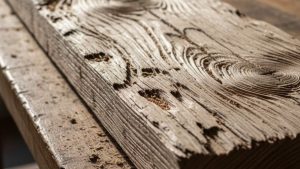
Walnut shell blasting removes layers of old paint, varnish, or grime from wood without damaging the material. Whether working with softwood or hardwood, walnut shells are ideal for cleaning delicate wood surfaces. They are perfect for cleaning intricate details like carved patterns and fine woodwork.
Eco-Friendly and Sustainable
Traditional abrasives like silica sand can be harmful to both human health and the environment. Inhalation of silica dust can lead to serious respiratory issues, and silica is not biodegradable. In contrast, walnut shells are biodegradable, non-toxic, and safe for the environment. They’re made from the leftover shells of walnuts, which are an abundant and renewable resource. From the Silica Fact Sheet, there are less toxic non-silica substitutes that can be used for abrasive blasting, and one of them is walnut shells.
Using walnut shells for blasting not only protects the environment but also reduces the amount of waste generated. After use, walnut shells can be recycled and reused multiple times before breaking down. This provides a cost-effective and environmentally friendly option for shipping.
Health and Safety Advantages
The safety of walnut shell blasting extends beyond the environment. Unlike sandblasting with silica, which releases harmful dust particles into the air, walnut shell blasting produces minimal airborne dust. This ensures it is safer for operators and those in the surrounding area.
Walnut shells are non-toxic, and dust-free blasting results in fewer health risks for workers. This is especially important for industries that frequently use abrasives. Examples include automotive restoration and industrial machinery cleaning.
Cost-Effective
While walnut shells may be priced slightly higher than some conventional abrasives, their reusability and long lifespan can offset the initial cost. Once used, walnut shells can be cleaned and reused several times before they need to be replaced, making it easy to manage your order. This is a significant advantage, especially for large projects that involve blasting a lot of material.
Walnut shells are available in bags, typically sold by the cubic foot or pallet, and are available in various grit types to suit different applications. When considering cost per use, walnut shells can be much more economical than other options in the long run.
Applications of Walnut Shell Blasting in Wood Restoration
Walnut shell blasting is a versatile and gentle method, ideal for various wood restoration projects. From furniture refinishing to restoring vintage wood, its precision ensures that surfaces are cleaned without compromising their structure or beauty.
Automotive Restoration
Walnut shell blasting is highly effective for cleaning automotive parts, such as engine components, carburetors, and gears. Carbon buildup, paint, and rust can be carefully removed without altering the structure of delicate metal parts.
Furniture Restoration
Whether you’re restoring a vintage wood chair or removing layers of old paint from an antique wooden table, walnut shell blasting is perfect for wood furniture restoration. The softness of walnut shells prevents any damage to intricate carvings or fine details in the wood. It’s especially useful for furniture with detailed inlays or veneers, where precision is essential.
Aerospace and Industrial Equipment
In the aerospace industry, parts must be cleaned without compromising their structural integrity. Walnut shells are the ideal choice for cleaning aerospace components because they are gentle yet effective, preventing any scratches or dents on sensitive materials. Additionally, walnut shell blasting is effective in removing contaminants from industrial equipment while protecting the machinery from damage.
Marine Applications
Cleaning ship hulls, boats, and marine equipment with walnut shells is another common application. The walnut shell’s non-abrasive nature makes it perfect for removing barnacles, algae, and old paint without damaging the hull’s surface.
Wood Flooring and Architectural Restoration
Walnut shells are ideal for preparing wood floors and architectural woodwork for refinishing. They can strip paint or clean old finishes from wood beams, doors, and floorboards, all while keeping the wood intact.
Choosing the Right Blasting Media for Wood Restoration
Not all blasting media are suitable for wood restoration. When selecting the right abrasive for your project, consider the following:
- Type of Wood: Different woods react differently to abrasives. Softwood may require a gentler abrasive like walnut shells, while hardwood might withstand a slightly more aggressive media like soda blasting.
- Desired Finish: If you want a smooth finish, walnut shells will provide a gentle polish. However, for a rougher finish, you may opt for steel grit or glass beads.
- Surface Condition: If the wood is heavily coated with paint or grime, walnut shells are ideal for stripping layers without damaging the wood. They can effectively remove thick layers of paint while preserving the wood’s integrity.
Equipment for Walnut Shell Blasting
To get the best results when using walnut shells for sandblasting wood, you’ll need the right equipment:
- Sandblaster: A sandblaster is essential for propelling walnut shells at high speeds. You can use a mobile sandblaster or a stationary unit, depending on your needs.
- Air Compressor: An appropriate air compressor ensures that walnut shells are effectively propelled during the blasting process.
- Blast Guns: The blast gun is used to direct the walnut shells onto the surface being cleaned. It’s important to use the right nozzle size to avoid wasting media and ensure the best possible result.
- PPE (Personal Protective Equipment): Always wear eye protection, gloves, and a respirator to safeguard against any potential risks.

Other Services Offered by CARV
At CARV, we pride ourselves on offering more than just walnut shell blasting. We specialize in a wide range of high-quality services that cater to both commercial and personal needs. One of our standout offerings is our Wholesale Sandblasted Cedar Signs, perfect for businesses or individuals looking for custom signage solutions.
Our sandblasted cedar signs are crafted with precision, providing an elegant yet durable option for creating unique signs that stand the test of time. Whether you’re looking to enhance your storefront, create a custom address sign, or add a personalized touch to your property, our cedar signs provide excellent clarity and a professional finish.
Conclusion
Walnut shells for sandblasting wood offer a unique combination of effectiveness, safety, and environmental benefits. Whether restoring vintage furniture, preparing wood surfaces for refinishing, or cleaning automotive parts, walnut shells provide a gentle, cost-effective item that preserves the integrity of your materials while minimizing environmental impact. As industries continue to shift toward more sustainable practices, walnut shells remain a top choice for those looking to clean delicate surfaces without causing damage.
At CARV, we specialize in providing high-quality walnut shell blasting services tailored to your needs. Whether you’re working on a small DIY project or a large-scale restoration, our team ensures that your surfaces are cleaned with the utmost care and precision. Contact us today to learn how our walnut shell blasting services can help bring your wood restoration projects to life while maintaining environmental responsibility.
FAQs
What should I use to sandblast wood?
When sandblasting wood, it’s best to use a softer abrasive to avoid damaging the delicate surface. Walnut shells are an excellent choice for sandblasting wood because they effectively remove paint, grime, and contaminants without causing scratches or dents. Other soft media options include soda blasting or corn cob blasting, but walnut shells remain a top choice for their gentleness and eco-friendliness.
Is walnut shell good for blasting?
Yes, walnut shell is an ideal abrasive for blasting because it is soft, non-toxic, and biodegradable. It is especially effective for cleaning delicate materials like wood, automotive parts, and aerospace components without causing damage. Its gentle abrasive nature makes it suitable for restoring vintage wood or removing paint from sensitive surfaces.
Is walnut shell good for sandblasting?
Walnut shells are highly effective for sandblasting delicate materials like wood, metal, and fiberglass due to their gentle abrasive properties. Unlike harsher abrasives, walnut shells don’t cause deep abrasions or damage to the underlying surface, making them perfect for fine woodwork and furniture restoration. It also produces minimal dust, making it a safer option for both workers and the environment.
What is walnut shell blasting media used for?
Walnut shell blasting media is used for cleaning and preparing surfaces in a variety of industries, including automotive, aerospace, and marine. It is particularly effective for wood restoration, removing paint from sensitive surfaces, and cleaning delicate components without causing damage. Additionally, it is used in industrial maintenance and furniture restoration, where a gentle yet effective abrasive is required.