When you need small parts sandblasting services near me, you’re likely looking for a precise and efficient way to clean and prepare your parts for finishing. Whether you’re working on automotive parts, industrial tools, or delicate components like jewelry, choosing the right sandblasting service is essential. A quality service can make all the difference in your project’s quality and turnaround time. In fact, sandblasting is one of the most effective methods for removing contaminants from various materials. This process helps clean, smooth, and prepare parts made of metal, glass, or plastic for the next steps in their lifecycle.
In this article, we’ll cover everything you need to know about sandblasting small parts. This includes how the process works and which types of parts benefit from it. Furthermore, we’ll guide you on how to find the right sandblasting service near you. We’ll explore the benefits, safety measures, and even answer common questions to help you make the best choice for your specific needs.
What Is Small Parts Sandblasting?
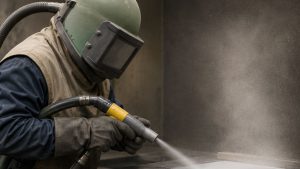
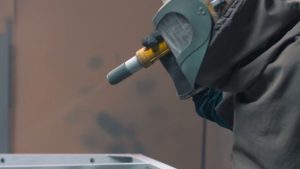
Sandblasting, also known as abrasive blasting, is a surface preparation process. It uses compressed air or water to blast abrasive media like sand, aluminum oxide, or glass beads against a surface. The high pressure removes dirt, rust, old paint, and other contaminants while smoothing or texturing the surface, depending on the project’s needs.
For small parts, sandblasting serves a critical role in the preparation and cleaning of components before painting, powder coating, or other finishing treatments. Unlike larger items, small parts require a more delicate touch, which is why specialized equipment and media are used to ensure precision. Whether you’re working with automotive parts, metal components, or delicate glass, sandblasting small parts ensures a clean surface. This process also smooths the surface, preparing it for the next step.
Applications of Sandblasting for Small Parts
Small parts sandblasting has a variety of applications across various industries. Some of the most common uses include:
Automotive Parts:
Sandblasting is commonly used to clean automotive parts, including engine components, frames, and suspension parts. It’s essential for removing rust, corrosion, and old paint, and it helps prepare the surface for powder coating or repainting.
Industrial and Aerospace Parts:
In the aerospace and manufacturing industries, abrasive blasting helps clean precision components like turbine blades, gears, and casings. The process removes contaminants without damaging the part, ensuring high performance in demanding environments.
Jewelry and Small Metal Components:
Sandblasting is widely used in jewelry making and small metal part production. It can smooth rough edges, clean delicate parts, or even create textured finishes on jewelry pieces, adding depth and appeal to the designs.
Marine Equipment:
Sandblasting services for small parts are essential in maintaining marine equipment such as propellers, boat hulls, and small engines. These parts are regularly exposed to saltwater and require frequent cleaning under high pressure to prevent corrosion and ensure proper function.
Medical Devices:
In the medical industry, precision cleaning is crucial for components like surgical tools, implants, and prosthetics. Sandblasting ensures these small parts are free from debris and contaminants, making them ready for further processing.
How Does the Sandblasting Process Work?
The process of sandblasting small parts involves several key steps to ensure the job is done effectively and safely:
Selection of Media:
The type of abrasive material (media) used depends on the project and the surface material of the parts. For small parts, common media include glass beads, aluminum oxide, and garnet, each offering different effects on the surface texture. For example, glass beads create a smooth finish, while aluminum oxide is more aggressive and used for removing rust or coatings.
Pressure and Equipment:
Sandblasting equipment typically includes a pressurized tank (blast pot), hoses, nozzles, and a compressor. The pressure and size of the equipment are adjusted based on the size and sensitivity of the parts being treated. For delicate small parts, specialized equipment like a sandblaster or sandblasting cabinets may be used for better control and protection of the operator.
Blasting Process:
The abrasive media is propelled at the part’s surface at high speeds, effectively removing contaminants or old coatings. The blast pressure is carefully regulated to prevent damage to delicate components while still achieving the desired result.
Safety Protocols:
Sandblasting can generate hazardous dust, so proper safety measures must be taken. Protective equipment for operators, such as respirators and gloves, is essential. Moreover, dust collection systems are often used to maintain a safe working environment.
Benefits of Sandblasting Small Parts
One of the top benefits of small parts sandblasting services is the precision with which the surface is cleaned. Sandblasting can effectively reach tight corners and detailed areas where other cleaning methods might fail. This makes it particularly useful for delicate components that require thorough cleaning without causing damage. In addition, sandblasting is an excellent method for removing rust, corrosion, and old paint from small metal parts. This prepares them for a fresh coat of paint, powder coating, or other finishes.
Beyond cleaning, sandblasting also smooths out rough edges, burrs, or imperfections on materials like metal, glass, and plastic. This enhances their appearance and makes them easier to assemble. Additionally, sandblasting small parts creates the ideal surface profile for coating adhesion. This ensures a longer-lasting finish that won’t peel or chip prematurely. Compared to chemical cleaning or mechanical methods, sandblasting is faster and more efficient. It is also cost-effective, providing consistent, high-quality results for small parts at a competitive price.
How to Choose the Right Sandblasting Service Near You
When searching for sandblasting services for small parts near me, it’s crucial to choose a provider with the right experience, equipment, and safety practices. At CARV, we specialize in providing high-quality sandblasting services tailored to your needs. Here are some tips to help you make the best choice when selecting a sandblasting service provider:
- Look for Specialized Experience:
- Ensure the service provider has experience with small parts sandblasting and understands the specific challenges of handling delicate components.
- Check Equipment Quality:
- High-quality sandblasting equipment ensures better results and reduces the risk of damage to your parts. Ask about the types of sandblasting machines and abrasive media used.
- Ask About Safety Protocols:
- Sandblasting can be hazardous, so choose a service that adheres to strict safety standards. This includes using proper personal protective equipment (PPE) and ensuring the workspace is safe and well-ventilated.
- Get an Accurate Quote:
- Pricing for sandblasting small parts can vary depending on the size and complexity of the project. Make sure you get a detailed quote that covers the cleaning, finishing, and any additional services.
- Read Customer Reviews:
- Look for reviews or testimonials from past customers to ensure the company provides high-quality work and excellent customer service.
Safety Considerations for Sandblasting Small Parts
While sandblasting small parts can be highly effective, it’s essential to follow proper safety procedures to ensure both worker and part safety. Sandblasting generates significant dust, which can be harmful if inhaled, so using a dust collection system is critical in preventing airborne particles. Furthermore, it’s important to ensure proper ventilation in the sandblasting area, especially when working with abrasive materials that may produce toxic fumes. These measures help maintain a safer environment for everyone involved.
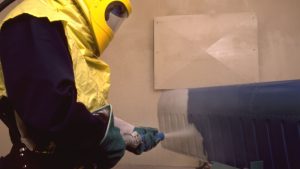
Operator protection is also a key consideration in sandblasting. The process should always be performed with the operator wearing protective gear, such as respirators, goggles, gloves, and full-body suits. Moreover, it’s essential that operators are properly trained in the correct handling of sandblasting equipment to avoid accidents and maintain precision during the process. By implementing these safety practices, you can ensure both the quality of the work and the safety of everyone involved.
Cost of Small Parts Sandblasting
The cost of sandblasting small parts varies depending on factors like:
- Part Size and Material: Larger parts or parts made of harder materials may require more time and effort, increasing the cost.
- Media Used: Different types of abrasive media come at different price points, with options like glass beads typically being more affordable than premium media like garnet or aluminum oxide.
- Complexity of the Job: If your small parts require intricate cleaning or additional steps, such as polishing or coating, expect to pay more.
- Turnaround Time: Faster service may come with a higher price tag, especially if expedited handling is needed.
On average, sandblasting services for small parts may range from $50 to $200 per hour, depending on the complexity of the project. For a more accurate estimate, it’s always best to ask for a detailed quote to avoid any surprises. Additionally, it’s a good idea to reach out to local professionals like CARV. Choosing a local provider ensures more personalized service, better communication, and faster turnaround times. CARV’s experienced team can assess your project, offer transparent pricing, and deliver the high-quality results you expect.
Other Services Offered by CARV
At CARV, we don’t just specialize in sandblasting small parts. We also offer a variety of custom signage services. Our wholesale sandblasted cedar signs, sandblasted HDU signs, and channel routed specialty signs are perfect for businesses looking for high-quality, durable signage solutions. Check out our services below:
- Wholesale Sandblasted Cedar Signs
- Sandblasted HDU Signs
- Channel Routed Specialty Signs
Conclusion
When looking for small parts sandblasting services near me, it’s important to choose a provider that offers precision, experience, and the right equipment. Whether you’re working on automotive parts, jewelry, or industrial components, sandblasting is an invaluable tool for achieving the best possible finish. By following the tips outlined above, you can ensure your parts are cleaned, prepped, and ready for the many next steps in their lifecycle.
At CARV, we specialize in providing high-quality sandblasting services for small parts, ensuring precision and efficiency in every project. With our experienced team and advanced equipment, we’re dedicated to delivering exceptional results. Contact us today to learn more about how we can help with your sandblasting needs and get your parts ready for their next phase!
FAQs
How much does it cost to sandblast small parts?
On average, sandblasting small parts may range from $50 to $200 per hour, depending on the complexity of the project. It’s always a good idea to request a detailed quote to get an accurate estimate based on your specific needs.
How does a small sand blaster work?
A small sand blaster uses compressed air to propel abrasive materials, such as sand or aluminum oxide, onto a surface. This process removes contaminants like rust, paint, or dirt and can also smooth or texture the surface for further treatments.
What is a cheap alternative to sandblasting?
A cheap alternative to sandblasting is using a wire brush or a chemical cleaner to remove rust or paint from small parts. These methods may not be as efficient or thorough, but they can work for smaller or less delicate projects.
How many types of sandblasting are there?
There are several types of sandblasting, including dry sandblasting, wet sandblasting, soda blasting, and shot blasting. Each method uses different media and equipment, depending on the type of surface and the desired finish.