Over the years, wood furniture can lose its shine as paint, varnish, stains, and dirt gradually build up. Traditional sanding methods or a chemical stripper can remove old finishes, but they are often harsh, messy, and time-consuming. These methods also struggle with intricate details or hard-to-reach areas and may damage the surface or leave uneven results.
That’s where sandblasting wood furniture becomes an incredibly effective option. Using compressed air with the right abrasive media, such as walnut shells, glass beads, or aluminum oxide, it strips coatings, stains, and dirt in minutes. This process reveals the natural wood grain, restores texture, and prepares the surface for refinishing without harming fine details. Whether restoring antiques, reviving outdoor chairs, or preparing tables, sandblasting offers precision, speed, and consistent results that traditional methods cannot match.
What Is Sandblasting Wood Furniture?
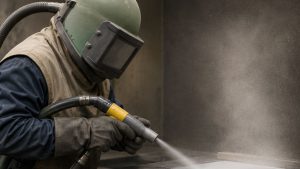
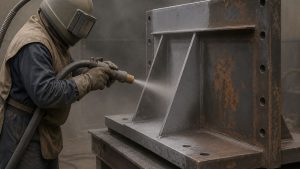
Sandblasting, also known as abrasive blasting, is the process of propelling abrasive particles against a surface using compressed air. A blasting system pushes abrasive material through a nozzle to clean and strip surfaces.
When applied to wood furniture, this process removes paint, varnish, stains, coatings, and even rust on metal fittings. Unlike sanding by hand, blasting can reach intricate details, carvings, and corners without hours of detailed work.
Common abrasive media for wood include:
- Walnut shells – Gentle and eco-friendly, ideal for antiques and delicate furniture.
- Glass beads – Create a smooth surface and highlight fine details.
- Aluminum oxide or silicon carbide – Stronger abrasives are used for tough coatings, requiring precision to avoid causing damage.
- Sand – Traditional sandblasting once used sand, but due to dust hazards, it’s less common today.
The choice of abrasive depends on the wood’s softness, the thickness of coatings, and the level of detail required.
Why Choose Sandblasting for Furniture Restoration?
Furniture restoration often involves multiple layers of paint, varnish, and dirt that hide the natural surface. Traditional sanding methods or chemical stripping can take hours and often leave an uneven finish, especially on detailed or delicate furniture.
Sandblasting, by contrast, is fast and precise. It restores wood to its former glory, removes old finishes without harsh chemicals, and reaches intricate details without damaging the structure. This process also prepares the surface for a new finish that adheres better. By saving time and reducing labor, sandblasting becomes the most suitable option for both small projects and large-scale furniture restoration.
How the Sandblasting Process Works
The sandblasting process for wood furniture requires a careful, delicate touch. Professionals follow a series of steps to ensure the job is effective without damaging the wood grain:
- Preparation – Remove hardware, upholstery, or glass. Inspect for cracks or soft spots.
- Choosing abrasive media – Select walnut shells, glass beads, or another suitable option depending on the furniture.
- Adjusting air pressure – Softer woods require lower pressure to prevent harsh damage.
- Blasting – Using a siphon feed blasting system or pressure tank, abrasive media is directed through a nozzle across the surface.
- Finishing – Clean off dust and inspect for smoothness before applying stain, varnish, or paint.
Best Types of Furniture for Sandblasting
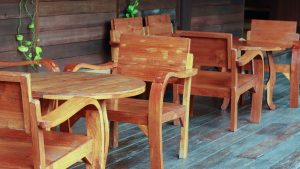
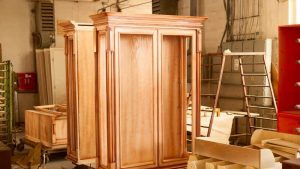
Sandblasting is suitable for many types of wood furniture and works well on projects too detailed or time-consuming by hand. It is often used for antiques such as tables, dressers, or cabinets with old finishes. Outdoor furniture, including benches, chairs, and patio sets weathered by summer sun and rain, also benefits from this process.
In addition, sandblasting handles detailed wood pieces with carvings, grooves, or intricate details where traditional sanding would be difficult. However, very soft woods or fragile antiques may require lower air pressure or a gentler abrasive like walnut shells to avoid causing damage.
Different Abrasives and Their Uses
Not all blast media is the same. The type of abrasive material makes a big difference in results:
| Abrasive Media | Best Use Case | Key Benefits |
| Walnut Shells | Antiques, delicate wood | Gentle, eco-friendly, protects texture |
| Glass Beads | Furniture with fine details | Smooth finish, adds polish |
| Aluminum Oxide | Tough coatings, old varnish | Strong, precise, fast results |
| Silicon Carbide | Heavy-duty paint removal | Cuts quickly, suitable for harder wood |
Selecting the right abrasive ensures the furniture is stripped effectively while preserving its character.
Pros and Cons of Sandblasting Furniture
Like any technique, sandblasting has both advantages and considerations. It is fast and incredibly effective, making it ideal for furniture restoration. This process handles detailed work and intricate patterns, removes stains, paint, varnish, and coatings evenly, and prepares surfaces for refinishing with precision.
However, sandblasting also has potential drawbacks. There is a risk of damage if the wrong abrasive or pressure is used. The process creates wood dust that requires proper protection and may not always be suitable for extremely soft wood. Nevertheless, when handled by experienced professionals with the right blasting system, the pros far outweigh the cons.
DIY Sandblasting vs. Hiring a Professional
It’s tempting to try sandblasting furniture at home, but DIY blasting can be risky and often damaging. The equipment requires skill, and using improper air pressure or abrasive media can ruin valuable wood. In addition, you need protective clothing, gloves, eye protection, and a face mask to avoid wood dust hazards.
A professional service, by contrast, offers precision with the right nozzle tips and feed systems. Experts know which abrasives are suitable for each job and ensure better safety, dust control, and environmental stewardship. They also provide faster turnaround with a new finish applied immediately after blasting. If you’re working on a cherished antique or detailed piece, hiring an expert ensures the furniture is restored without costly mistakes.

Safety Considerations
Sandblasting involves air pressure, abrasive particles, and dust, which means safety is critical at every stage of the process. Even when working with softer abrasives, the blasting system generates high-speed particles that can harm skin, eyes, and lungs without the proper protection. Taking precautions not only protects you but also ensures the furniture restoration process is carried out smoothly and without accidents.
Always use:
- Protective clothing – Wear long sleeves and durable fabric to cover exposed skin from abrasive particles and wood dust. A heavy-duty apron or blasting suit can add extra protection for larger jobs.
- Eye protection such as safety goggles – Flying dust and abrasive media can cause serious eye injuries. A full face shield is even better for maximum coverage.
- A face mask or respirator – Wood dust and abrasive media can be hazardous when inhaled. A respirator with filters is recommended, especially when dealing with older finishes.
- Gloves – Thick work gloves protect your hands from cuts and give a strong grip when handling furniture or blasting equipment.
In addition, proper ventilation and dust containment are essential to prevent buildup in enclosed spaces. Using dust collectors, fans, or working in an open area can help reduce risks. For projects involving older paint that may contain lead or other toxic coatings, professional blasting is strongly recommended. Trained experts have the right equipment, environmental stewardship practices, and safety training to remove harmful coatings safely without exposing you or your family to health risks.
Refinishing After Sandblasting
Once blasting is complete, the wood surface is clean, smooth, and fully prepared for refinishing. This is the stage where the piece truly comes back to life. Depending on your style and needs, there are several finishing options available.
- Staining for a natural look – Stains highlight the natural wood grain and give a warm, classic appearance. They work especially well on antiques or furniture you want to showcase in its original character.
- Painting with modern finishes – A fresh coat of paint offers endless design possibilities, from sleek contemporary shades to bold statement colors. Sandblasting ensures the paint adheres evenly without peeling or bubbling.
- Sealing to protect against moisture and dirt – A sealer helps protect wood used outdoors, such as chairs, benches, or patio sets, from summer heat, rain, and stains. It keeps the surface durable for everyday use.
- Varnish or clear coats for durability and shine – These finishes add protection while enhancing the furniture’s natural beauty. They resist scratches, stains, and wear, making them ideal for frequently used surfaces like tables and dressers.
Because sandblasting strips surfaces evenly, these finishes penetrate better and last longer compared to furniture stripped by hand. This means less maintenance, stronger protection, and a new finish that preserves the furniture’s look and function for years.
Other Sandblasting and Sign Services We Offer
In addition to restoring wood furniture, CARV specializes in custom sandblasted and routed signage that helps businesses stand out. Our expert craftsmanship ensures each piece is durable, eye-catching, and built to last.
- Wholesale Sandblasted Cedar Signs – Crafted from premium western red cedar, these signs deliver a classic, natural look perfect for businesses, resorts, and community spaces. Cedar’s natural durability and texture make it a top choice for long-lasting signage.
- Sandblasted HDU Signs – High-Density Urethane (HDU) signs are a versatile alternative to wood. They resist cracking, rotting, and warping, making them ideal for detailed designs that need to withstand harsh outdoor conditions.
- Channel Routed & Specialty Signs – Our custom-routed specialty signs allow for precise lettering, logos, and graphics. These signs combine modern technology with artisan craftsmanship to create one-of-a-kind branding pieces.
Whether you need furniture restoration or a custom sign that represents your brand with style and durability, CARV is your trusted partner for quality sandblasting and sign solutions.
Conclusion
Sandblasting wood furniture is one of the most effective ways to restore old pieces, strip away years of coatings, and prepare wood for a fresh new finish. With the right abrasive media, controlled air pressure, and proper safety measures, sandblasting brings out the natural beauty of wood while saving time and effort compared to traditional sanding methods.
At CARV, we specialize in professional sandblasting services that handle every detail with precision, safety, and care. If you’re ready to give your furniture new life, contact us today to learn more about our sandblasting and refinishing services.
FAQs
Can you sandblast wood furniture?
Yes, you can sandblast wood furniture when the correct abrasive media and air pressure are used. It is an effective way to remove old finishes, stains, and dirt. However, delicate pieces may require softer abrasives like walnut shells to avoid damage.
Can sandblasting be used on wood?
Yes, sandblasting can be used on wood to strip paint, varnish, or coatings quickly and evenly. The process works well on intricate details and carvings where sanding is difficult. Care must be taken to adjust pressure for softer woods.
How much does sandblasting furniture cost?
The cost of sandblasting furniture depends on size, detail, and the abrasive material used. Smaller pieces may be less expensive, while antiques or large cabinets often cost more. Hiring professionals ensures better results and long-term value.
Can sandblasting remove paint from wood?
Yes, sandblasting can remove paint from wood efficiently by stripping layers without harsh chemicals. Using the right blast media ensures smooth results without harming the surface. Professionals often recommend walnut shells or glass beads for delicate projects.