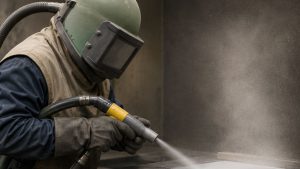
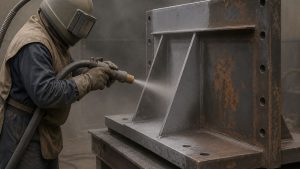
When it comes to restoring wood surfaces or prepping them for a fresh coat of paint, traditional sanding methods can be time-consuming and exhausting. But what if there was a faster, more efficient way to get the job done using appropriate blast media? Sandblasting, or abrasive blasting, has become a popular solution for tackling wood surfaces. But can you sandblast wood effectively without causing damage? The answer is yes, if you know what you’re doing.
In this guide, we’ll dive deep into the world of sandblasting wood. We’ll explore the types of sandblasters, the abrasive materials you should use. This includes eye protection for safety considerations, and much more. Whether you’re restoring old furniture, prepping a wooden deck, or removing paint from raw wood, this article has you covered. It will equip you with the knowledge to make the right choices and achieve the best results.
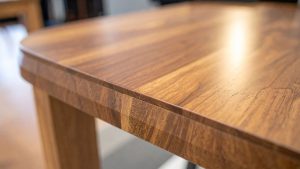
What is Sand blasting?
Sandblasting, or abrasive blasting, involves using compressed air to force a stream of abrasive material against a surface. The goal is to clean, smooth, or roughen up the surface, whether you’re removing paint, stripping rust, or preparing a surface for a new finish. Sandblasting is commonly associated with metals and glass, but it’s also highly effective for wood. This is true, provided the right sandblasting equipment and materials are used.
Why Sandblast Wood?
Sandblasting wood can save time and effort compared to traditional sanding methods. It’s also incredibly effective at removing layers of paint, varnish, or weathering effects from wooden surfaces to achieve a smooth surface. Furthermore, it’s also a fantastic way to create textured, distressed, or weathered looks on wood. This makes sandblasting ideal for furniture restoration, log home restoration, or refinishing wooden decks.
Types of Sandblasters: Choosing the Right Equipment for Wood
Before diving into the sandblasting process, it’s essential to understand the different types of sandblasters available and how they work with different abrasives. Each type of sandblaster has its own unique benefits, and choosing the right one can make a huge difference in your results.
Siphon Feed Sandblasters
Siphon feed sandblasters are ideal for light to moderate tasks, such as refinishing furniture or restoring delicate wood. They work by drawing abrasive material from a reservoir using suction created by compressed air, which can also be complemented by chemical strippers for better results. This method provides a gentle touch, making it suitable for softer woods or surfaces requiring precision. However, it may take longer to remove thicker layers of paint compared to more powerful sandblasting methods.
Pressure Feed Sandblasters
Pressure feed sandblasters are best for removing multiple layers of paint or varnish from wood and larger restoration projects. They use compressed air from an air compressor to force abrasive material through a nozzle at high speeds. This method is highly effective for tackling tough jobs, like stripping paint from large surfaces. That said, the high pressure can damage delicate wood fibers, so careful control is essential.
Gravity Feed Sandblasters
Gravity feed sandblasters are ideal for smaller, intricate tasks that require precise control. Abrasive media is fed into the nozzle by gravity. This method is great for fine details and delicate touch-ups. On the other hand, it may not be suitable for larger surfaces where faster coverage is needed, as larger projects may require methods to blast steel.
Choosing the Right Abrasive Media for Sandblasting Wood
One of the most crucial factors in sandblasting wood is selecting the proper abrasive media. The abrasive material you use will affect both the quality of the finish and the potential damage to the wood surface.
Soda Blasting:
Soda blasting uses sodium bicarbonate (baking soda) as an abrasive material. It’s gentle, eco-friendly, and ideal for delicate wood surfaces. This method removes coatings or dirt without damaging wood fibers. It’s best for furniture restoration and delicate wood surfaces. Nevertheless, soda blasting may not be as effective for removing thick layers of paint.
Walnut Shells:
Crushed walnut shells are a soft abrasive material, perfect for cleaning wood without damaging the surface beneath. This material is commonly used for refinishing wood, removing paint, and cleaning delicate surfaces, especially when leaving bare wood. It is soft, gentle, and effective for restoring wood’s natural beauty. On the other hand, walnut shells are not suitable for the aggressive removal of coatings.
Glass Beads:
Glass beads provide a fine finish with a smooth, non-shiny surface. They are ideal for light cleaning or adding a subtle texture to wood. This abrasive produces a smooth finish, perfect for a clean, uniform surface. Yet, glass beads are not as effective for removing thick paint layers.
Silicon Carbide & Aluminum Oxide:
Silicon carbide and aluminum oxide are much harder and more aggressive abrasives, suitable for stripping metal or blasting tough surfaces. They are extremely effective for tough jobs on harder materials. However, they can be too harsh on wood and may cause irreversible damage to delicate wood surfaces. These abrasives, as a blasting material, are not recommended for use on wood.
Plastic Media:
Plastic media is a versatile and safe option for sandblasting wood, offering a gentler touch than traditional abrasives. It’s best for light surface preparation, fine cleaning, or stripping coatings from delicate wood. This non-abrasive material won’t damage wood fibers. Still, plastic media may not be suitable for heavy-duty paint removal.

The Sandblasting Process: Precision Matters
The sandblasting process requires careful attention to detail to achieve the best results, especially when working with wood. Precision in choosing the right equipment, media blasting techniques, abrasive media, and air pressure is essential to avoid damaging the wood while ensuring a smooth, clean finish.
- Preparation of the Wood Surface: Clean the wood surface to remove any dust, dirt, or grime. This can be done with a mild soap and water solution or using a shop vac for finer debris. If the wood is painted, consider testing sandblasting on a small, inconspicuous area to ensure the abrasive material won’t damage the surface.
- Choosing the Right Abrasive Media: For delicate or finished wood, opt for softer materials like walnut shells or soda blasting. If you’re dealing with thicker layers of paint or varnish, glass beads or plastic media can be effective.
- Setting the Correct Air Pressure: Air pressure plays a significant role in preventing wood damage. Keep the air pressure between 30–50 PSI for most wood projects. Lower pressure helps avoid gouging or warping wood fibers.
- Blasting the Wood Surface: Start with a light touch and a small nozzle to focus on specific areas. Move the nozzle steadily to avoid concentrating the abrasive on one spot for too long. Keep the nozzle a safe distance from the surface to ensure an even, smooth finish.
- Post-Blasting Cleanup: After sandblasting, use a shop vac to remove any wood dust and leftover abrasive. If using soda or plastic media, a quick water rinse may be necessary to remove residual materials.
- Finishing and Sealing: Allow the wood to dry thoroughly. If needed, apply a protective finish, sealer, or new coat of paint. The sandblasted wood surface should now be smooth, clean, and ready for further work.
Safety Considerations: Protect Yourself During Sandblasting
Sandblasting can be dangerous if proper safety protocols aren’t followed. Here’s what you need to know:
- Protective Clothing: Always wear protective clothing, including gloves, long sleeves, and sturdy pants, to avoid abrasions or exposure to wood dust.
- Face Protection: A face shield, safety goggles, and a face mask are necessary to protect your eyes and respiratory system from wood dust and abrasive particles.
- Hearing Protection: The noise from the sandblaster can be loud, so ear protection is essential to prevent hearing damage.
- Dust Containment: Use dust collection systems like a shop vac or ensure proper ventilation in your workspace to avoid inhaling wood dust.
Common Mistakes to Avoid When Sandblasting Wood
Using too much pressure can damage wood fibers, causing irreversible harm. Always start with a low PSI and increase only if necessary. Additionally, using abrasives like aluminum oxide or silicon carbide can scar delicate wood surfaces. Stick to softer abrasives like walnut shells or soda blasting to avoid damaging the wood.
Another common mistake is using an improper nozzle size. A nozzle that’s too large or too small can affect precision during sandblasting. It’s important to choose the appropriate nozzle size for the task at hand to ensure accurate results and avoid unintended damage to the wood.
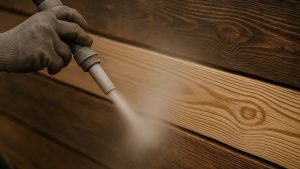
Other Services Offered by CARV
At CARV, we don’t just specialize in sandblasting wood. We also offer a wide range of custom signage and surface solutions designed for businesses, contractors, and designers who want high-quality, lasting results. Our expertise extends beyond restoration and surface prep to include the production of wholesale sandblasted cedar signs, ideal for both commercial and decorative use.
Our wholesale sandblasted cedar signs are handcrafted to deliver durability, natural beauty, and a distinctive texture that stands out in any setting. Whether you’re looking for custom designs for a business front, neighborhood entryway, or resort signage, our cedar signs are built to last and withstand the elements.
Conclusion
Sandblasting is an effective method for restoring wood surfaces, removing paint, adding texture, or preparing for new paint when done with the right equipment and materials. By selecting the proper abrasive media and controlling air pressure, you can achieve a smooth, professional finish. Following safety protocols ensures that the wood’s natural beauty is not compromised.
At CARV, we specialize in expert sandblasting services that ensure superior results for your wood projects. Whether you’re refinishing furniture, restoring a wooden deck, or tackling a larger building restoration, our services save you time and effort. Contact us today to start transforming your wood surfaces the right way!
FAQs
Can you sandblast wood furniture?
Yes, you can sandblast wood furniture, but it requires using a soft abrasive to prevent damage. Siphon-feed or gravity-feed sandblasters, also known as sand blasters, are often best for delicate wood surfaces. With the right control, sandblasting can remove old finishes without harming the wood fibers.
Can you sandblast wood to remove paint?
Yes, you can sandblast wood to remove paint, making it an effective method for stripping layers. It’s crucial to use an abrasive material that won’t damage the wood, especially when dealing with many layers, such as walnut shells or soda blasting. Controlling the air pressure ensures that the wood remains intact whilethe paint is efficiently removed.
Can you sandblast a wood deck?
Yes, you can sandblast a wood deck to remove old paint, stains, or weathering. Soda blasting or fine abrasives are ideal for delicate wood surfaces, ensuring a clean finish without causing damage. It’s important to use lower pressure to avoid gouging or roughening the wood.
Can you sandblast paint off of wood?
Yes, you can sandblast paint off of wood, making it a fast and efficient method for paint removal. Using soft abrasives like walnut shells helps preserve the wood’s natural beauty while stripping layers of paint. Proper technique and air pressure control are essential to avoid using the wrong one an causing irreversible damage to the wood surface.