Can you sandblast galvanized steel? Yes, but in most real-world surface prep work, doing so removes or damages the galvanized coating. In practice, this changes how the steel performs long-term, especially in outdoor or high-moisture environments. That coating protects the steel surface from corrosion, so blasting changes how the material performs.
In many situations, abrasive blasting is not the best option for galvanized steel, especially when you want to preserve durability. The better question is whether you should sandblast it and what happens if you do.
The Short Answer
Sandblasting galvanized metal will strip or weaken the zinc coating that provides corrosion resistance. Once the zinc layer is damaged, the underlying steel becomes exposed to moisture and oxygen. That exposure increases the risk of rust and long-term surface failure.
In controlled industrial applications, professionals may use blasting to intentionally remove galvanizing. However, this is done with specific techniques and safety controls. For most projects, safer surface preparation methods work better.
Why Galvanized Steel Shouldn’t Be Treated Like Raw Steel
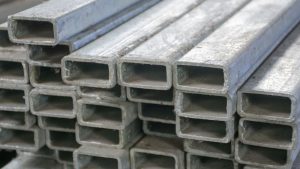
Galvanized steel is not the same as untreated metal surfaces. The galvanized layer consists of zinc-iron alloy layers formed during the hot dip galvanized process. These layers bond to the underlying material and create a protective barrier.
Removing that barrier changes everything. The original corrosion resistance disappears once the coating is compromised. The coating thickness also affects how the surface reacts during blasting. Thin areas can be removed quickly, leaving uneven protection across the surface.
What Happens When You Sandblast Galvanized Steel
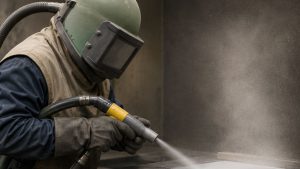
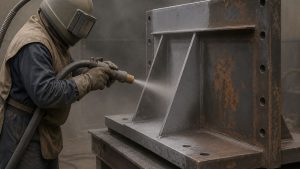
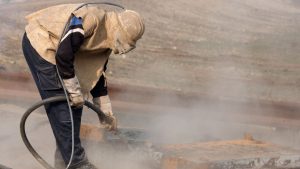
Sandblasting introduces high-speed abrasive particles onto the surface. These particles hit the material and remove layers through impact. In the case of galvanized steel, the process targets the zinc coating before reaching the base metal.
This is where most problems start. The surface does not react evenly once blasting begins. In real projects, the surface becomes uneven as the galvanized coating breaks apart at different rates, especially across areas with varying coating thickness. Once the coating is gone, the steel surface becomes exposed, which can accelerate oxidation if it is not protected immediately.
The process also affects the surface profile. A rough surface can help with paint adhesion, but it also increases vulnerability if left unprotected. In many cases, blasting removes more than intended, especially without proper control.
What Others Don’t Tell You About Sandblasting Galvanized Steel
Most discussions focus on whether you can sandblast galvanized steel, but they often miss what happens after the process. In practice, uneven coating removal is one of the biggest issues. Areas with thinner galvanized coating get stripped first, which creates inconsistent corrosion resistance across the surface.
Another common problem is delayed failure. A blasted surface may look clean at first, but exposed steel can begin to oxidize quickly if it is not coated immediately. There is also a cost factor. Once the galvanizing is removed, you may need primers, additional coatings, or even re-galvanizing to restore protection. This adds time and expense that many projects do not account for.
The Biggest Risk: Overblasting the Surface
Overblasting is one of the most common issues we see when working with galvanized steel, especially when standard sandblasting settings are used without adjustment. Using aggressive abrasive media like steel grit or steel shot can quickly remove the entire coating. Even a short blasting time can cause uneven removal across the metal, with thinner galvanized areas often stripping first and creating inconsistent protection.
Pressure settings also matter. High pressure from an air compressor forces abrasive material into the surface with more force. This increases the chance of damaging the zinc-iron alloy layers. Once damaged, these layers cannot be restored.
In addition, multiple passes with the blast nozzle increase the risk. Repeated exposure removes more of the coating and creates an uneven surface finish. This often leads to poor results in painting purposes.
When Sandblasting Galvanized Steel Makes Sense
There are situations where sandblasting galvanized steel makes sense, but they are more limited than most people expect. These cases usually involve removing a failed coating or preparing the surface for a new system. For example, damaged galvanizing on steel structures may require full removal before applying high-performance coatings.
Another scenario involves preparing surfaces for powder coating. Some projects require the complete removal of the existing coating to ensure proper adhesion. In these cases, blasting becomes part of a controlled process.
However, these situations require experience, since improper blasting can remove too much material and increase long-term maintenance costs. Professionals adjust pressure, choose the right abrasive media, and control the blast angle. The goal is to achieve the desired finish without damaging the base material more than necessary.
The Correct Method: Sweep Blasting
Instead of standard sandblasting, many professionals use sweep blasting for galvanized surfaces. This method uses light pressure and softer abrasive particles. The goal is not to remove the zinc layer but to clean and slightly roughen the surface.
Sweep blasting creates a light surface profile that improves coating adhesion without removing the protective zinc layer, which is why it is preferred in most professional surface prep workflows. Guidance from the American Galvanizers Association also supports controlled sweep blasting as a safer method for preparing galvanized surfaces.
Key Sweep Blasting Guidelines
- Use low pressure, usually between 40 and 50 psi
- Choose soft abrasive media, such as fine sand or non-metallic materials
- Maintain a shallow blast angle
- Limit exposure time and avoid multiple passes
This method helps preserve the galvanized coating while improving the surface for painting.
Better Alternatives for Surface Preparation
In many cases, blasting is not the most efficient or safest option for galvanized surfaces, especially when the goal is to preserve the existing coating.
Surface Preparation Methods Comparison
| Method | Best Use Case | Risk Level |
| Sandblasting | Full coating removal | High |
| Sweep blasting | Light surface prep | Medium |
| Chemical stripping | Removing coatings | Medium |
| Mechanical sanding | Controlled prep | Low |
| Surface cleaning | Maintenance prep | Low |
Chemical stripping is useful when you need to remove coatings without damaging the base material. Products like muriatic acid can clean galvanized surfaces, but they must be handled carefully. These chemicals can produce toxic fumes, so proper ventilation is essential.
Mechanical methods, like an angle grinder, offer more control. They allow targeted removal without affecting the entire surface. For light cleaning, simple surface cleaning methods can remove dirt and oils without altering the coating.
How Professionals Approach Galvanized Surface Prep
Professionals start by evaluating the condition of the galvanized metal, since the approach changes depending on coating thickness, surface damage, and the final finish required. They check for damage, contamination, and existing coatings. This assessment determines the best surface preparation method.
Next, they choose the right tools and materials. The selection of abrasive media, pressure settings, and equipment all affect the final result. Controlled blasting, when needed, uses precise settings to avoid over-removal.
The process also focuses on achieving a clean surface. Removing contaminants is essential for proper paint adhesion. The goal is not just to clean the surface but to prepare it for long-term performance, especially in environments where corrosion can develop quickly.
Safety Risks You Should Not Ignore
Sandblasting galvanized steel introduces several safety concerns. The process releases fine particles into the air, including zinc dust. Inhaling these particles can lead to health issues.
Exposure to hazardous materials is a major concern, especially when blasting produces airborne zinc particles and contaminants that require proper containment and ventilation. Safety guidance from OSHA emphasizes proper ventilation and respiratory protection during abrasive blasting processes.
Blasting can generate toxic fumes, especially when combined with coatings or contaminants. Workers must wear proper protective clothing and respiratory protection.
Common Mistakes That Cause Surface Damage
Working with galvanized steel requires precision. Many issues come from using the wrong technique or equipment.
Common Mistakes
- Treating galvanized steel like raw steel
- Using high pressure during sandblasting
- Choosing an aggressive abrasive material like steel grit
- Making multiple passes over the same area
- Skipping proper surface cleaning before coating
- Removing the entire zinc coating unintentionally
Avoiding these mistakes helps maintain the integrity of the surface and ensures better results.
Can You Paint Galvanized Steel After Sandblasting?
Painting galvanized steel after sandblasting is possible, but it requires proper preparation. Once the zinc layer is removed, the surface behaves like raw steel. This means it must be protected quickly to prevent rust.
Applying a suitable primer is essential. Primers designed for galvanized or bare steel improve paint adhesion. After priming, you can apply a top coat for durability and appearance.
In many cases, sweep blasting works better than full sandblasting. It creates a light, rough surface that improves adhesion without removing the protective coating. This approach balances durability and finish quality.
Conclusion
Sandblasting galvanized steel is possible, but it is rarely the best approach unless you intend to remove the coating completely. Removing the zinc coating leaves the steel unprotected, which increases the risk of corrosion over time. For most projects, controlled methods like sweep blasting or cleaning provide better results.
Understanding the goal of your project is key. Whether you need to remove contaminants, improve adhesion, or apply a new coating, the right approach depends on the condition of the surface. Choosing the correct method helps protect the material, reduce long-term maintenance, and achieve a more consistent and durable finish. If you’re working on galvanized surfaces, the right preparation method can make a noticeable difference, and CARV focuses on using the proper techniques to deliver clean and reliable results.
FAQs
Can sandblasting remove galvanizing completely?
Yes. Sandblasting can remove the entire galvanized coating if done aggressively. High-pressure abrasive blasting strips the zinc layer and exposes the base steel. In controlled settings, professionals may use this intentionally, but it eliminates corrosion protection and requires recoating.
Is sandblasting galvanized steel safe?
No, not without proper controls. Sandblasting galvanized steel releases zinc particles and dust, which can be hazardous if inhaled. Safe operation requires proper ventilation, protective clothing, and respiratory equipment to reduce exposure to airborne contaminants.
What is the best way to prepare galvanized surfaces for painting?
The best method is light surface preparation, not aggressive blasting. Sweep blasting, cleaning, or mild abrasion removes contaminants while preserving the zinc coating. This approach improves paint adhesion without compromising corrosion resistance.
Does sandblasting improve paint adhesion on galvanized steel?
Yes, but with trade-offs. Sandblasting creates a rough surface that can improve paint adhesion, but it also removes the protective zinc coating. In most cases, controlled methods like sweep blasting provide better adhesion while maintaining durability.