Wood Sandblasting: Cost, Process and What Actually Works
Wood sandblasting is one of the fastest ways to restore wood surfaces, but results depend heavily on technique, pressure, and media choice. When done correctly, it removes paint, stain, and buildup while preserving the natural grain. When done incorrectly, it can damage the wood and create uneven surfaces.
Many homeowners search for sandblasting as a quick fix, but not all projects require aggressive blasting. In some cases, a controlled or alternative method delivers better results with less risk. In this guide, you’ll learn how wood sandblasting works, when it makes sense, what it costs, and what professionals actually recommend for long-lasting results.
Looking for sandblasting near you? Our Valparaiso facility offers professional in-shop blasting for wood, metal, and automotive parts with precise, controlled results.
What Is Wood Sandblasting?
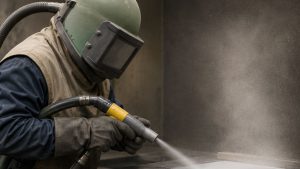
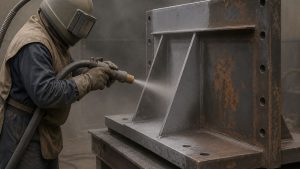
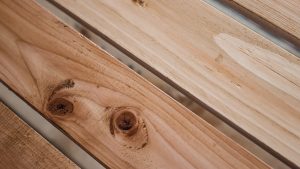
Wood sandblasting is a controlled surface restoration process that uses pressurized air to propel abrasive materials onto a wooden surface. The goal is to remove paint, stain, rust, or other contaminants without damaging the wood underneath.
Unlike pressure washing, which relies solely on water pressure and can cause gouging or uneven cleaning, it demands precision. Sandblasting instead uses fine, adjustable abrasive media that gently removes coatings while preserving the material’s integrity.
Benefits of Professional Sandblasting Services
Hiring professionals for wood cleaning and restoration delivers results that go beyond simple surface appearance. Here’s why homeowners and builders rely on experts instead of attempting DIY jobs.
Restores the Natural Beauty of Wood
- Removes paint, varnish, grease, or mold buildup.
- Brings out the natural wood grain and texture.
- Helps restore historical or antique pieces without grinding them down.
Prepares Surfaces for Finishing
Proper surface preparation ensures the paint or stain adheres better, extending the life of the finish. Sandblasting eliminates deep contaminants that hand sanding often misses, ensuring your next coating lasts years longer.
Time-Saving and Efficient
Manual sanding can take a lot of time, especially for large decks, barns, or log homes. Professional sandblasting pros can complete the same job in a fraction of the time while achieving more uniform results.
Safe and Eco-Friendly
Modern sandblasting systems often use dustless or wet blasting, minimizing airborne particles and environmental impact. Some companies even use eco-friendly media like crushed glass or walnut shells instead of silica sand.
Versatile Applications
While it’s most popular for wood restoration, this service also applies to metal, brick, concrete, aluminum, and even cars or trailers. Professionals can remove rust, grease, or lead paint from various surfaces, making it a go-to option for both homes and industrial projects.
Common Uses for Wood Sandblasting
Here are some of the most popular applications where sandblasting shines:
| Application | Common Issues | Result After Sandblasting |
| Decks & Patios | Weathered stain, mold, flaking paint | Smooth, clean surface ready for a new finish |
| Log Homes & Cabins | Faded stain, buildup, aging wood | Natural wood texture restored |
| Wood Beams & Ceilings | Dirt, discoloration, and smoke stains | Clean grain and renewed appearance |
| Furniture & Antiques | Layers of old paint or finish | Reveals authentic color and character |
| Exterior Siding | Faded coatings, mildew | Fresh, clean surface ready for sealing |
Each project needs careful adjustments in pressure, media type, and technique to match the surface condition. That’s why hiring experienced sandblasting experts ensures the best outcome without causing any damage.
The Sandblasting Process: Step-by-Step
Every professional sandblasting company follows a precise process to ensure safety, efficiency, and quality. Here’s what to expect when you hire a licensed team:
Evaluation and Site Preparation
Before starting, experts inspect the surface to identify materials, stains, and coating thickness. Several factors, such as the type of wood, age, and previous finishes, determine the right approach. Containment barriers and protective covers are installed around the area to keep dust and debris from spreading to nearby metal, brick, or concrete surfaces.
Controlled Blasting
The technician uses specialized nozzles to apply the abrasive media at regulated air pressure. Depending on the object’s size and condition, they might use crushed glass, garnet, or walnut shell media. This controlled process removes coatings evenly without harming the grain.
Cleanup and Surface Inspection
Once blasting is complete, the surface is vacuumed or wiped down with water to remove leftover particles. A final inspection ensures the wood is clean and ready for refinishing or sealing.
Optional Finishing
Some companies offer additional services like staining, sealing, or applying clear coats to protect the newly restored wood.

Wood Sandblasting vs. Pressure Washing
Many homeowners confuse pressure washing with sandblasting, but the two techniques have very different outcomes. Here’s a quick comparison:
| Feature | Sandblasting | Pressure Washing |
| Cleaning Method | Air-driven abrasive media | High-pressure water |
| Best For | Removing paint, rust, or stains | Cleaning dirt, mildew, and debris |
| Surface Impact | Restores texture, removes coatings | Can damage or gouge soft wood |
| Efficiency | Faster on large or coated surfaces | Slower for heavy buildup |
| Result | Smooth, ready-to-finish surface | Clean but unfinished surface |
If your goal is true restoration, sandblasting is the more efficient and long-lasting option. Pressure washing works well for routine cleaning and surface maintenance. However, when your deck, siding, or cabin needs a true refresh, sandblasting delivers professional, lasting results.
How Much Does Wood Sandblasting Cost?
Pricing depends on several factors, such as the size of the area, the type of surface, the coating thickness, and accessibility.
| Factor | Description | Typical Influence on Cost |
| Surface Type | Deck, siding, log home, or furniture | Larger areas cost more per square foot |
| Condition | Paint or heavy stain buildup | Increases time and material use |
| Media Type | Glass bead, sand, or walnut shell | Eco-friendly options may cost more |
| Location | Distance to job site | Affects hauling or setup time |
| Finishing Options | Sealing or staining after blasting | Adds value and protection |
On average, homeowners can expect to pay between $3–$7 per square foot, but that range can vary depending on project size, materials, and location. Requesting a site-specific quote ensures accurate pricing. For full-service projects, including automotive and metal restoration, explore our professional sandblasting services near you.
Common Mistakes to Avoid (and Why DIY Isn’t Recommended)
While DIY sandblasting kits are available, they often fail to match professional quality and consistency. In many cases, improper use can cause more harm than good, leading to surface damage or uneven results.
Mistakes homeowners often make:
- Using improper media that’s too coarse for wood, causing deep grooves.
- Applying too much pressure which tears wood fibers.
- Failing to contain or clean up debris leads to environmental or property damage.
- Not wearing proper safety gear, risking exposure to lead paint dust.
Professionals adjust each setting carefully to ensure safety and precision. They’re also trained to handle larger objects like trailers, trucks, and metal frames, offering a complete surface restoration service for homes, vehicles, and more.
If you’re not sure whether sandblasting is the right method for your wood surface, CARV can evaluate your project and recommend the safest approach before any work begins.
Where Can Wood Sandblasting Be Used?
Wood sandblasting isn’t limited to just homes. It’s also used in commercial, industrial, and automotive environments. Here are a few examples:
- Residential: Decks, patios, log homes, wood fences, and beams.
- Commercial: Restaurants, retail exteriors, or wood signage.
- Industrial: Machinery, steel beams, concrete, or aluminum surfaces.
- Automotive: Vehicle frames, cars, and trucks for rust removal.
The Perfect Solution for Your Next Restoration Project
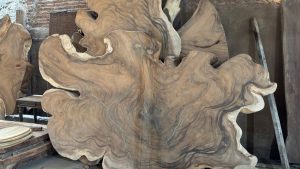
If your deck, siding, or log home has lost its glow, sandblasting services may be the perfect solution to bring back that natural wood look. It’s faster than grinding, safer than harsh chemicals, and far more effective than standard pressure washing. Whether you’re working on a small furniture restoration or a complete home makeover, sandblasting offers remarkable efficiency. Professional services can transform your surfaces faster and deliver noticeably better results.
Conclusion
Sandblasting is a proven way to clean, restore, and protect your wood surfaces without the need for replacement. It delivers lasting results that enhance your property’s appearance and value while preserving its natural character. Whether it’s a deck, cabin, or full home restoration, choosing professional sandblasting services ensures quality, precision, and durability.
At CARV, we provide controlled wood sandblasting services in Valparaiso, Florida using the right media and pressure for each project. Whether you’re restoring a deck, log home, or wood structure, we deliver consistent, damage-free results. Request a quote today.
FAQs
Can you hire a sandblaster for wood?
Yes, you can hire a sandblaster for wood to safely clean and restore various wooden surfaces. Professional sandblasting experts use controlled pressure and media to avoid damage. This service is ideal for decks, cabins, beams, and other wood structures needing refinishing.
Can you sandblast wood to remove the finish?
Yes, you can sandblast wood to remove finishes such as paint, stain, or varnish effectively. The process uses fine abrasive materials that strip away coatings while keeping the wood’s texture intact. It’s a fast and efficient way to prepare surfaces for resealing or staining.
What is the best material to sandblast wood?
The best material to sandblast wood depends on the surface condition and coating type. Common media include walnut shells, corn cob grit, or crushed glass to speed up the gentle yet effective cleaning. These materials remove finishes without scratching or damaging the wood grain.
How much does sandblasting wood cost?
The cost to sandblast wood varies depending on factors like surface area, coating thickness, and project complexity. On average, prices range from $3 to $7 per square foot. It’s best to request a custom quote for accurate pricing based on your specific job.