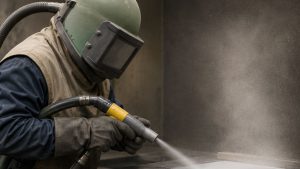
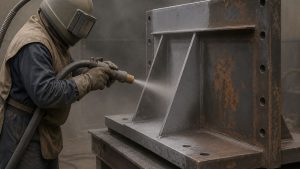
Stainless steel is known for resisting rust, but sandblasting changes how the surface behaves. Will sandblasted stainless steel rust? Yes, it can under certain conditions. The process affects the protective layer and increases exposure to moisture and contaminants. This does not mean the material fails. It means proper handling becomes more important after blasting. Fabricators still use sandblasting for cleaning, surface preparation, and visual finish, but corrosion risk depends on process control, environment, and material choice.
Stainless steel contains chromium, which forms a protective oxide layer that helps prevent corrosion and maintain durability. Sandblasting removes surface contaminants and creates a new surface finish, which supports better adhesion and cleaner results. When handled correctly, corrosion resistance returns, and performance stays consistent. If you want more reliable outcomes in your sandblasting process, CARV offers practical tools and guidance designed to help fabricators improve surface quality and long-term durability.
What Sandblasting Does to Stainless Steel
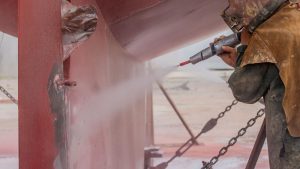
Sandblasting stainless steel uses abrasive blasting to clean and reshape the metal surface. The sandblasting process uses high-velocity abrasive particles pushed through a nozzle with an air compressor. The process removes rust, paint, dust, and debris from the surface while creating a matte or satin finish, depending on the abrasive material used. Common media include aluminum oxide and glass beads, which produce different results.
Surface preparation is the main goal of stainless steel sandblasting. The process creates a rougher profile that improves adhesion for coatings. This improves coating adhesion and helps finishes last longer. At the same time, the added surface roughness increases exposure, allowing moisture and contaminants to settle more easily. That change affects corrosion resistance if not managed properly.
Does Sandblasted Stainless Steel Rust
Stainless steel can rust, even without sandblasting. The material resists corrosion because of its chromium and nickel content, which form a thin protective coating that blocks oxygen and moisture. According to material science and corrosion studies, stainless steel is corrosion-resistant, not corrosion-proof. Its durability comes from a thin chromium oxide layer that forms naturally on the surface and protects the metal. This layer is self-healing, but mechanical processes like sandblasting can disrupt it and increase exposure. Research also shows that smoother surfaces improve corrosion resistance, while rougher finishes increase the risk of moisture and contaminant buildup.
Why Sandblasted Stainless Steel Can Rust
Sandblasted stainless steel can rust under certain conditions, even though it is designed to resist corrosion. Changes to the surface during the sandblasting process can increase exposure to moisture and contaminants, which affects long-term durability.
Surface Roughness
A rough surface traps moisture, dust, and debris more easily than a smooth surface. Sandblasting creates a textured profile for better coating adhesion. This helps in decorative purposes and heavy-duty cleaning. However, that same texture can hold contaminants longer. Increased exposure raises the chance of corrosion in humid or outdoor conditions.
Passive Layer Disruption
The protective chromium oxide layer forms naturally on stainless steel. Abrasive blasting can strip or thin this layer during the process. The metal remains exposed until the layer reforms. During that period, corrosion resistance drops. If the surface stays untreated, stainless steel rust becomes more likely.
Contamination from Blasting Media
Using the wrong media is one of the biggest causes of rust. Some abrasive materials contain iron particles that embed into the surface. These particles oxidize and create visible rust spots. This issue does not mean the stainless alloy failed. It means contamination occurred during blasting. Using the right media prevents this problem.
Does Sandblasting Reduce Corrosion Resistance
Sandblasting can reduce corrosion resistance temporarily. The process removes the protective layer and exposes fresh metal. That exposure increases the risk of oxidation in certain environments. However, the effect is not permanent when handled correctly. The oxide layer begins to reform naturally in the presence of oxygen, but proper cleaning or passivation improves consistency.
Proper post-treatment restores corrosion resistance effectively. Cleaning, passivation, or coating protects the metal after blasting. These steps reduce risks and maintain durability. Without these steps, the surface remains vulnerable longer. Therefore, process control matters more than the blasting itself.
Stainless Steel Grade and Rust Resistance
Different stainless steel grades offer different levels of corrosion resistance. The alloy composition determines how well the metal performs in harsh conditions. Stainless steel with higher chromium and nickel content resists corrosion better. This makes material selection critical for long-term durability.
A common comparison helps clarify performance:
| Grade | Common Use | Corrosion Resistance |
| 304 | General fabrication | Good |
| 316 | Coastal and industrial use | Higher |
316 stainless steel contains molybdenum, which improves resistance against salt and chemicals. In outdoor signage or marine environments, 316 performs better. Material choice often matters more than the surface finish.
Environmental Factors That Cause Rust
Environmental exposure plays a major role in stainless steel rust. Even corrosion-resistant materials can fail in extreme conditions. Moisture, chemicals, and pollutants increase the risk over time. Sandblasted surfaces become more sensitive to these factors due to their texture.
Common conditions that increase corrosion risk include:
- Coastal environments with salt exposure
- High humidity or standing water
- Industrial pollution or chemical exposure
- Poor drainage on installed surfaces
These factors affect all forms of stainless steel. However, rough surfaces react faster than smooth ones. Proper installation and maintenance reduce long-term issues.
How to Prevent Rust After Sandblasting
Preventing corrosion after sandblasting stainless steel requires proper handling. The process must include cleaning and protection steps. These steps help maintain durability and reduce risks. Fabricators follow these practices to keep results consistent across projects.
Key steps include:
- Clean the surface immediately after blasting
- Use appropriate safety gear and proper pressure
- Select the right media, like glass beads or aluminum oxide
- Apply passivation or a protective coating
These actions restore corrosion resistance and improve long-term performance. Skipping them increases exposure to contaminants. A controlled process keeps the metal durable and low-maintenance.
Sandblasted vs Polished Stainless Steel
Surface finish plays a major role in corrosion behavior. Polished stainless steel has a smooth surface that resists contamination better. It allows moisture and debris to slide off more easily. This reduces long-term corrosion risk in exposed environments.
Sandblasted stainless steel provides improved adhesion for coatings. It also offers a matte finish that many industries prefer for aesthetic appeal. However, it requires more maintenance compared to polished finishes. The choice depends on the application and environment.
Common Misconceptions
Many people misunderstand how stainless steel behaves. These assumptions often lead to poor process decisions and surface damage.
- Stainless steel never rusts
- Sandblasting prevents corrosion
- Rust always means material failure
Each statement is incorrect. Stainless steel can rust under the right conditions. Sandblasting prepares the surface but does not protect it. In many cases, visible rust comes from surface contamination rather than failure of the stainless steel itself.
What Rust on Stainless Steel Actually Means
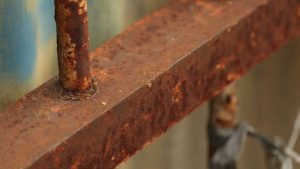
Rust on stainless steel often appears as surface contamination. It usually comes from embedded iron particles or environmental exposure. This type of corrosion does not always indicate structural damage. In many cases, cleaning can remove rust and restore the surface.
True corrosion occurs when the protective layer fails completely. This happens in extreme environments or with poor maintenance. Most applications deal with surface-level rust only. Proper care keeps the material durable and functional over time.
Where This Matters in Real Applications
Sandblasted stainless steel appears in many industrial and commercial applications. These include signage systems, structural components, and decorative installations. Surface finish, coating, and environment all affect long-term performance. Choosing the right process improves durability and reduces maintenance.
Fabricators must balance aesthetics and function when selecting finishes. Sandblasting offers flexibility for coating and design. However, it requires proper process control to prevent corrosion. When done correctly, stainless steel remains strong, corrosion-resistant, and suitable for demanding applications.
Conclusion
Sandblasted stainless steel can rust, but the risk depends on how the process is handled and where the material is used. The sandblasting process affects the protective layer and surface texture, which can increase exposure to moisture and contaminants. However, this does not mean the material fails. With proper surface preparation, the right media, and correct post-treatment, stainless steel remains corrosion-resistant and durable in real-world applications.
At CARV, we help fabricators get better results after sandblasting stainless steel, from proper surface preparation to finishes that resist corrosion over time. We also produce high-quality wholesale signs using stainless steel and other durable materials built for real-world conditions. If you want cleaner surfaces, longer-lasting results, and signage that holds up in demanding environments, contact us today, and let’s improve your next project.
FAQs
Can you polish stainless steel after sandblasting?
Yes, you can polish stainless steel after sandblasting. Polishing removes the rough surface created during the blasting process and restores a smoother finish. This can improve corrosion resistance because a smooth surface holds less moisture and fewer contaminants.
What is the best blasting media for stainless steel?
The best blasting media for stainless steel are non-contaminating options like glass beads or aluminum oxide. These materials clean the surface without embedding iron particles that can cause rust. Using the right media helps maintain corrosion resistance and prevents surface contamination.
How long does stainless steel stay protected after sandblasting?
Stainless steel remains vulnerable right after sandblasting until its protective oxide layer reforms. This can happen quickly in clean conditions, but exposure to moisture or contaminants can delay it. Proper cleaning and post-treatment help restore protection faster and reduce corrosion risk.
Is sandblasting stainless steel safe for thin materials?
Sandblasting can be safe for thin stainless steel if done with proper pressure and technique. Using lower pressure settings and maintaining the right distance prevents surface damage or warping. Controlled blasting protects the material while still achieving effective cleaning or finishing.