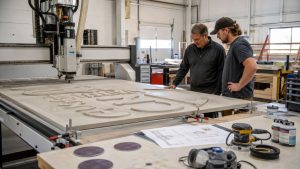
A sandblaster is a powerful technique for cleaning and texturing wood surfaces. It allows woodworkers to efficiently remove paint, rust, dirt, and other coatings without damaging the underlying material. Sandblasting is perfect for restoring old furniture, preparing wood for new finishes, or adding decorative textures to your projects. It offers a level of precision and effectiveness that other methods simply can’t match.
However, sandblasting isn’t one-size-fits-all. Using the wrong equipment or abrasive media can cause irreversible damage to the wood fibers. To achieve the best results, it’s crucial to understand how different types of sandblasters and media work with wood. This guide will help you choose the best sandblaster for your needs and answer any questions you have.
Understanding Sandblasting for Wood: What You Need to Know
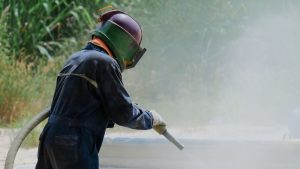
Sandblasting for wood is a powerful technique used to clean, strip, and texture wood surfaces effectively. By using abrasive materials propelled by air pressure, sandblasting can remove coatings, dirt, and imperfections without damaging the wood underneath. This makes it ideal for both restoration and creative wood projects.
What is Sandblasting?
Sandblasting, also known as abrasive blasting, involves using compressed air to propel abrasive materials at a surface to clean, smooth, or texture it. For wood, sandblasting is used to remove old paint, varnish, and other coatings or to create artistic textures and finishes using various blast media.
When used correctly, sandblasting is an effective and efficient way to restore and prepare wood for further processing. However, not all sandblasting techniques are suitable for wood surfaces, as they can create wood dust that may be harmful without proper management. Since wood is softer and more delicate than metal or stone, it requires specific attention to avoid damaging the fibers.
Benefits of Sandblasting Wood
- Removes old coatings: Sandblasting efficiently removes paint, varnish, and coatings from wood without damaging the underlying wood surface.
- Creates textured finishes: For woodworkers creating decorative patterns or textured surfaces, sandblasting can achieve beautiful results.
- Restores antique wood: Sandblasting can gently remove layers of old coatings and dirt from antique wood pieces, preserving their natural beauty and age.
Key Considerations for Sandblasting Wood
When sandblasting wood, there are several factors to consider, including the cost of materials and equipment needed.
- Abrasive material: The choice of media is critical to avoid damaging the wood.
- Air pressure: Too high a pressure can gouge or splinter the wood.
- Type of sandblaster: Different sandblasters are suited for different types of projects, from delicate refinishing to heavy-duty paint removal.
Selecting the Best Sandblaster for Wood
When selecting a sandblaster for your woodworking projects, it’s essential to understand the different types available. Each type has its strengths, with aluminum oxide being ideal for tougher jobs. The right choice depends on your needs.
Siphon Feed Sandblasters
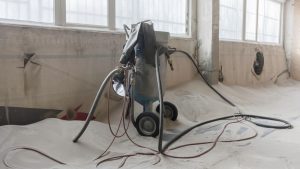
Siphon feed sandblasters are typically used for light to medium-duty tasks. These machines use suction to draw abrasive media from a reservoir. They are ideal for fine, delicate work like refinishing furniture or texturing wood surfaces. A siphon feed is gentle on wood, offering better control for intricate projects, especially when using water for dampening.
Pressure Feed Sandblasters
Pressure-feed sandblasters are more powerful than siphon-feed models and are better suited for heavy-duty tasks. These machines use pressurized air to propel abrasive materials at high speeds. They are great for removing thick layers of paint or varnish, especially with garnet media. However, they require more caution when used on wood to avoid damaging the material.
Gravity Feed Sandblasters
Gravity feed sandblasters are compact and designed for precision tasks. They rely on gravity to feed abrasive media to the nozzle. This makes them ideal for smaller jobs that require detailed work. These sandblasters are great for delicate surfaces and projects that require precision, such as etching designs into wood.
Comparing Sandblasters for Wood
| Sandblaster Type | Best For | Pros | Cons |
| Siphon Feed | Light to medium-duty tasks | Affordable, great for details | Less powerful, slower process |
| Pressure Feed | Heavy-duty tasks | Powerful, fast for large jobs | Can damage delicate wood |
| Gravity Feed | Small-scale projects | Precision, good for intricate work | Limited capacity |
For most woodworking projects, a siphon-feed or gravity-feed sandblaster is ideal, especially for smaller projects or delicate refinishing work.
Choosing the Right Abrasive Media for Sandblasting Wood
The media used in sandblasting plays a crucial role in protecting the wood from damage. Different media types vary in abrasiveness. Choosing the wrong one can cause scratches, gouging, or other damage to the wood.
Glass Beads
Glass beads are one of the most common abrasive materials used for sandblasting wood. They are gentle on wood and are ideal for creating smooth, non-shiny surfaces. Glass beads are often used for projects that require a delicate touch and a clean finish.
Walnut Shells
Walnut shells are another gentle abrasive that is excellent for wood restoration projects. They are effective at removing coatings without damaging the wood underneath. Walnut shells are particularly useful for refinishing antique or delicate wood surfaces.
Corncob Grit
Corncob grit is a soft, natural abrasive used for cleaning wood surfaces. It is perfect for removing dirt and old coatings from wood without damaging the fibers. Corncob grit is ideal for projects involving vintage or delicate wood pieces.
Adjusting Air Pressure: How It Affects Sandblasting Wood
Air pressure is one of the most critical factors in ensuring a successful sandblasting job on wood. If the pressure is too high, it can lead to deep gouges, splinters, or even break the wood, damaging the surface irreparably. Conversely, if the air pressure is too low, the abrasive may not be able to effectively remove old coatings, dirt, or other debris. This results in an incomplete or subpar finish.
For most wood-related tasks, it’s recommended to use an air pressure range between 30 to 50 PSI. This range allows for a gentle yet effective abrasive flow, which helps remove paint, varnish, or grime without harming the wood. For softer woods or delicate surfaces, it’s crucial to start with the lower end of the range and gradually increase the pressure if necessary. It’s important to consider the type of media being used. Softer abrasives can handle slightly higher pressure, while gentler media like walnut shells or glass beads may require lower settings to avoid damage. Always begin with the lowest effective pressure to preserve the integrity of the wood.
The Importance of Nozzle Selection for Precision Sandblasting
The nozzle is a crucial component of the sandblasting process, as it controls the flow of abrasive media and the spread of the blast. For wood projects, smaller nozzles, ranging from 1/8 to 1/4 inch, are ideal because they offer better control and precision. When selecting nozzle material, ceramic and tungsten carbide are the most durable options. These materials can withstand the wear and tear of sandblasting, ensuring longevity and consistent performance throughout your projects.
Safety Considerations When Sandblasting Wood
Sandblasting generates fine dust and debris that can be harmful if not properly managed, so using safety equipment is essential. Personal protective equipment (PPE) is necessary for a safe working environment, including masks, goggles, and gloves. These protect against dust, abrasives, and materials like baking soda.
Additionally, dust collection systems are crucial to maintain a clean workspace. These systems capture the dust produced during sandblasting, preventing it from being inhaled or settling on the wood. This ensures both safety and a cleaner finish.

Other Services Offered by CARV
At CARV, we specialize in sandblasted HDU signs that deliver exceptional durability, precision, and versatility for any project. High-Density Urethane (HDU) is the perfect material for creating highly detailed, durable signs. It can withstand the elements for a long time, making it ideal for both indoor and outdoor use. Our sandblasting process ensures clean, sharp designs that highlight your brand or message with professional quality.
Why Choose Sandblasted HDU Signs?
- Durable and Weather-Resistant: HDU signs are incredibly resistant to weather, making them ideal for outdoor applications. They will not rot or warp like wood, and their surface holds up against the elements for long-lasting performance.
- Custom Designs: Whether you need a traditional or modern design, our team works with you to create a custom HDU sign that perfectly fits your needs. The sandblasting process allows for intricate detailing, including logos, text, and unique patterns.
- Versatile Applications: Sandblasted HDU signs are perfect for business signage, property markers, wayfinding signs, and more. Their versatility ensures they make a lasting impression in any environment.
Conclusion
Choosing the right sandblaster for wood is key to achieving professional results without damaging the material. Factors like the type of sandblaster, abrasive media, air pressure, and safety precautions play a crucial role in the process. By considering these elements, you can ensure your project is completed efficiently and with high-quality results.
At CARV, we offer top-tier sandblasting solutions tailored to your woodworking needs. Whether you’re refinishing furniture or adding textures, our expert team can help you select the perfect equipment. Contact us today to learn more and get started on your next project!
FAQs
What is the best media for sandblasting wood?
The best media for sandblasting wood includes softer abrasives like glass beads, walnut shells, and corncob grit. These media types are gentle on wood surfaces and effective at removing coatings without causing damage. Avoid using sand, as it can be too harsh and damage the wood fibers.
What kind of sand blaster for wood?
For wood projects, a siphon-feed or gravity-feed sandblaster is ideal, as these offer better control and precision. Siphon-feed sandblasters are great for light to medium tasks like refinishing, while gravity-feed models are perfect for detailed work. Both types allow for the delicate handling of wood surfaces without causing damage.
Can you use sandblasting on wood?
Yes, you can use sandblasting on wood, but it’s important to choose the right equipment and media. Sandblasting is effective for removing old coatings, cleaning surfaces, and creating textured finishes. However, using the wrong abrasive or too much air pressure can damage the wood at times, so it’s important to use softer media and adjust settings accordingly.
How big of an air compressor do I need to run a sandblaster?
To run a sandblaster, you typically need an air compressor with a CFM (cubic feet per minute) rating that matches the sandblaster’s requirements. For most sandblasting tasks, a compressor with a 5-7 CFM rating at 90 PSI is usually sufficient. However, larger projects may require a higher CFM rating. Ensure the compressor’s output is compatible with the sandblaster’s air needs for optimal performance.