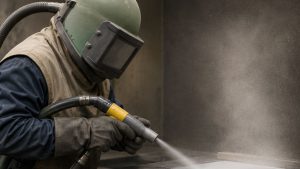
Plastic sandblasting media is used to remove coatings without damaging the underlying surface, but results depend on choosing the right type, grit, and pressure. When used correctly, it strips paint, powder coating, and contaminants while preserving the material’s structure. When used incorrectly, it can lead to slow removal, inconsistent finishes, or unnecessary rework.
Many operators choose media based only on availability, but the wrong choice can reduce efficiency and increase cost. The right plastic media depends on the surface, coating thickness, and desired finish. In this guide, you’ll learn how plastic sandblasting media works, how to choose the right type, and what professionals use to get consistent, clean results.
What Is Plastic Sandblasting Media?
Plastic sandblasting media is a lightweight, non-toxic, engineered abrasive media manufactured from synthetic polymers such as polyester, urea, melamine, acrylic, or polycarbonate. Unlike mineral grit or aggressive blast media, plastic media is designed to remove paint and coatings without cutting into the base material.
Instead of eroding the surface, plastic abrasives fracture coatings on impact. This allows paint, powder coating, or contaminants to break away while leaving aluminum, steel, fiberglass, or composite surfaces largely unchanged. This controlled action makes plastic media ideal for projects that require stripping without distortion, warping, or loss of dimensional accuracy.
Plastic media is widely used on:
- Aluminum and other soft metals
- Steel parts requiring repainting
- Fiberglass and composite panels
- Molds and tooling
- Manufactured parts with tight tolerances
Because plastic is softer than most substrates but harder than coatings, it delivers predictable stripping across a defined range. Many products are also recyclable, offering a longer lifespan and improved efficiency across multiple blasting cycles.
How Plastic Media Blasting Works
Plastic blasting relies on controlled impact, not abrasion. When plastic media strikes a coated surface, the angular particles transfer energy into the paint or coating layer. That energy fractures the coating, allowing it to separate cleanly from the surface below.
Pressure plays a major role. Plastic media is typically used at a lower PSI range than aggressive blasting. This lower pressure allows operators to fine-tune stripping performance without risking damage. The process also produces less dust and fewer airborne contaminants compared to traditional grit blasting.
Key performance factors include:
- Media hardness
- Particle shape and grit size
- Blast pressure range
- Coating thickness
- Surface material
Used correctly, plastic blasting produces clean, uniform surfaces that are ready for repainting or refinishing with minimal additional surface preparation.
Types of Plastic Sandblasting Media
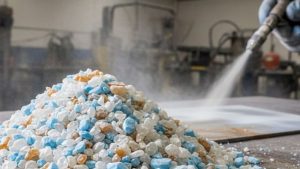
Plastic media comes in several types, each designed for specific applications, hardness levels, and surface requirements.
Type I – Polyester Plastic Media
Polyester is the softest plastic media type. It is commonly used on extremely delicate surfaces where minimal abrasion is required. It works well for light paint removal and deburring on sensitive components.
Type II – Urea Plastic Media
Type II urea is the most widely used plastic blast media. It offers an increased level of stripping performance while remaining safe for aluminum, fiberglass, and soft steel. Urea media is durable, recyclable, and suitable for a broad range of common applications.
Type III – Melamine Plastic Media
Type III melamine is the hardest plastic media available. It is designed for tougher coatings, thicker paint systems, and high-performance stripping. Melamine provides faster removal rates and is commonly used on steel parts where durability and speed matter.
Type V – Acrylic Plastic Media
Acrylic plastic media is softer and more forgiving, making it ideal for delicate surfaces, thin coatings, and sensitive substrates. It is often used in aerospace, automotive, and composite applications.
Polycarbonate Plastic Media
Polycarbonate media is lightweight and designed for specialty applications where anti-static properties and precision are required. It performs well in controlled environments and on complex manufactured parts.
Plastic Media Hardness, Grit Size, and Performance
Hardness and grit size directly affect stripping performance. Plastic media hardness is commonly measured using Barcol or Mohs scales. Softer media remove coatings more gently, while harder media increase removal speed.
Grit size influences how the media interacts with surfaces:
- Coarser grit increases stripping speed
- Finer grit provides smoother finishes
- Angular particles improve coating fracture
- Smaller grit reduces surface profile changes
Choosing the correct combination of hardness and grit ensures consistent results while minimizing damage and extending media lifespan across multiple cycles.
Surfaces Suitable for Plastic Sandblasting Media
Plastic sandblasting media is designed for versatility and surface protection.
Metals
- Aluminum
- Steel
- Stainless steel
- Soft alloys
Non-Metal Surfaces
- Fiberglass
- Composites
- Plastics
- Rubber components
Coated and Treated Surfaces
- Powder coating
- Anodized aluminum
- Galvanized coatings
- Specialty finishes
Plastic media allows coatings to be removed cleanly while leaving the base surface intact, making it a good choice for parts that require repainting or refinishing.
Common Applications of Plastic Sandblasting Media
Plastic media is widely used across industries for paint stripping, powder coating removal, surface preparation, mold cleaning, deburring, and removing surface contaminants. These applications benefit from plastic media because it delivers consistent stripping performance without damaging the underlying material, even on detailed or complex parts.
It is especially useful when preparing parts for repainting or refinishing, where maintaining the original surface geometry is critical. By removing coatings cleanly and evenly, plastic media helps ensure parts are ready for the next finishing stage without unnecessary rework or surface damage.
Industry Uses for Plastic Media Blasting
Plastic blasting is used throughout the world in a wide range of industries.
Automotive and Restoration
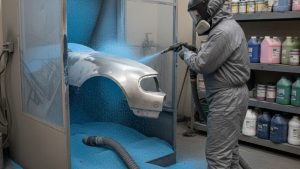
Plastic media removes paint without thinning panels or damaging details, making it ideal for classic cars, specialty vehicles, and restoration projects.
Aerospace and Manufacturing
Plastic media is designed to clean aircraft components, molds, and precision parts while leaving sensitive surfaces untouched.
Industrial and Production Environments
Manufacturers rely on plastic media to clean parts, strip coatings, and prepare surfaces without introducing aggressive damage or inconsistent profiles.
Plastic Sandblasting Media vs Other Media
Plastic media is often compared to other stripping alternatives.
| Media Type | Best Use | Limitations |
| Plastic media | Paint and coating removal on sensitive surfaces | Not ideal for heavy corrosion |
| Walnut shells | Light cleaning and polishing | Lower stripping performance |
| Grit blasting | Heavy rust and corrosion | High damage risk |
| Chemical stripping | Thick coatings | Environmental and safety concerns |
Plastic media offers a clean, consistent alternative without the risks associated with harsh abrasives or chemicals.
Advantages of Plastic Sandblasting Media
- Non-toxic and safer for operators
- Lightweight and recyclable
- Produces less dust
- Preserves surface integrity
- Consistent stripping performance
- Designed for repeated cycles
- Ideal for delicate and sensitive surfaces
These advantages make plastic media a smart choice for professional blasting operations that value control and quality. According to the article Disposal and Reuse Options for Used Sandblasting Grit, plastic blast media is reusable and versatile, making it suitable for applications where harder abrasives may be too damaging to sensitive surfaces. This reinforces why plastic media is widely chosen for precision stripping and surface protection.
Limitations and When Plastic Media Is Not Ideal
Plastic media is not designed for every application and may not be suitable for heavy corrosion removal, thick industrial rust layers, or jobs that require aggressive surface profiling. These situations often demand more abrasive blasting media capable of cutting deeply into hardened coatings or corrosion.
In those cases, other media may be required to handle the initial stripping before finishing with plastic blasting. Using plastic media as a secondary step can then help clean the surface and prepare it for repainting without causing unnecessary damage.
Choosing the Right Plastic Sandblasting Media
Selecting the right media requires evaluating:
- Surface material
- Coating thickness
- Desired finish
- Equipment capability
- Required stripping range
Working with experienced professionals helps ensure the correct media type, grit size, and pressure settings are used for optimal results. If you’re unsure which plastic media is right for your project, CARV can recommend the correct type based on your surface and coating.
Other Services Offered by CARV
In addition to plastic sandblasting media services, CARV also provides specialized sign fabrication solutions for commercial and wholesale applications. These services are designed for durability, precision, and long-term performance across a wide range of environments.
- Wholesale Sandblasted Cedar Signs – Custom-crafted cedar signs with deep relief carving, ideal for exterior branding and architectural signage.
- Sandblasted HDU Signs – High-density urethane signs that offer consistent detail, weather resistance, and long service life.
- Channel Routed Specialty Signs – Precision-routed signs for dimensional lettering, logos, and specialty design requirements.
These services allow CARV to support projects that require both advanced surface preparation and professional-grade sign manufacturing.
Conclusion
Plastic sandblasting media offers a reliable, professional solution for stripping paint, coatings, and contaminants while protecting the integrity of the underlying surface. Its controlled performance, durability, and versatility make it a strong alternative to harsher blasting methods.
At CARV, we use the right plastic sandblasting media and pressure settings for each project to deliver clean, controlled results. Whether you’re stripping coatings or preparing surfaces, we help you avoid damage and reduce rework. Contact us today to get expert guidance.
FAQs
Can you sandblast fouled spark plugs with plastic media?
Yes, plastic media can be used to clean fouled spark plugs because it removes carbon buildup without damaging the electrode or ceramic insulator. It is gentler than aggressive grit and reduces the risk of altering the spark plug gap. However, blasting should be done at low pressure and followed by proper cleaning to remove any residual media.
What kind of media to sandblast plastic?
Plastic surfaces are best blasted with plastic media, soft abrasives, or walnut shells because these options clean without gouging or melting the surface. The media should be softer than the plastic substrate to prevent damage. Low pressure and fine grit sizes are typically required for controlled results.
Is it better to sandblast wet or dry?
Wet sandblasting is better when dust control, heat reduction, and surface protection are priorities. It minimizes airborne particles and lowers the risk of warping or surface damage. Dry sandblasting is faster and more common but produces more dust and requires stricter safety controls.
What removes rust immediately?
Mechanical abrasion using aggressive blast media such as steel grit or aluminum oxide removes rust immediately. These media cut through rust layers quickly and expose clean metal underneath. Chemical rust removers also work fast but are better suited for controlled or smaller applications.