If you’ve ever looked at an old piece of timber and wondered whether sandblasting could safely bring back its natural beauty, you’re not alone. Many homeowners and restoration specialists ask the same question: Does sandblasting damage wood? The short answer: not if it’s done correctly. When professionals use the right technique and air pressure, sandblasting becomes a precise and effective restoration method. It efficiently cleans, refinishes, and restores wooden surfaces without causing damage. The process removes loose paint, old paint, stains, and other coatings from the wood. It also reveals the rich wood grain, leaving a clean surface ready for refinishing or sealing.
However, as simple as it sounds, there’s a fine balance between restoring wood and causing damage. Too much pressure, the wrong abrasive media, or an untrained hand can leave behind uneven textures or gouges. That’s why understanding the process and how to do it safely is essential before starting any wood sandblasting project. This guide explains how sandblasting works on wood and what happens during the process. It also shows how to prevent damage and why professional wood sandblasting provides the best results.
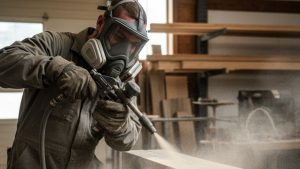
What Happens When You Sandblast Wood?
Sandblasting, also called abrasive blasting or media blasting, uses compressed air to propel fine abrasive materials like corncob grit, walnut shells, or glass beads at high speeds. The goal is to remove old coatings, grime, and residue from wood surfaces while maintaining their structure and texture. When done properly, sandblasting gently strips away the top layer of finish or paint, leaving behind a uniform surface with an enhanced natural grain. It’s a popular method for wood restoration, furniture restoration, and deck refinishing, especially for large projects where hand sanding would be time-consuming and inconsistent.
Here’s how the process works:
- Surface Preparation – The wood is inspected to determine the right abrasive media and pressure level.
- Abrasive Selection – Softer abrasives are used for delicate wood, while slightly stronger media can be used for harder timbers.
- Blasting Process – The abrasive particles remove layers of paint, varnish, stains, and other coatings, restoring the clean surface underneath.
- Finishing Stage – The result is a pristine surface that’s ready for staining, painting, or sealing.
Whether you’re restoring an antique piece of furniture or a weathered wooden deck, sandblasting reveals the wood’s natural beauty. It does this without using chemicals or harsh solvents.
The Science of Safe Sandblasting
Contrary to popular belief, sandblasting doesn’t inherently damage wood. Problems occur when improper materials or excessive pressure are used. The secret to success lies in control, using the right technique, the right abrasive media, and the right air pressure. The ideal pressure for wood sandblasting typically ranges between 30–50 PSI. This allows the operator to remove old coatings, dirt, and surface imperfections without cutting into the fibers. The nozzle should be held at a consistent distance (8–12 inches) and moved evenly to avoid focusing the abrasive in one spot.
According to a 2025 peer-reviewed study published in Applied Sciences, controlled sandblasting does not inherently damage wood. Researchers found only minimal material loss, about 1–2.5% mass reduction, even at moderate pressures. These results support the importance of maintaining low PSI levels (around 30–50), using gentle abrasives, and keeping a steady 8–12 inch standoff distance to achieve effective cleaning without fiber damage.
Choosing the Right Abrasive Media
The type of abrasive media plays the biggest role in preventing damaged wood. Below is a guide showing which materials are safest for wooden surfaces:
| Abrasive Media | Description | Best For |
| Corncob Grit | A soft, biodegradable abrasive that cleans wood gently without scratching. | Reclaimed wood, decks, beams |
| Walnut Shells | Slightly more aggressive but still safe for most wood surfaces. | Furniture restoration, removing varnish |
| Glass Beads | Produces a smooth finish and subtle texture. | Decorative or rustic finishes |
| Soda Blasting (Baking Soda) | Very fine abrasive used for delicate cleaning. | Antique furniture or light wood |
| Avoid: Sand or Aluminum Oxide | Too harsh for wood; it can tear fibers and cause irreversible damage. | N/A |
The right choice depends on the material and desired texture. Using the wrong abrasive, especially regular sand, can scar or erode the wood surface.
Common Mistakes That Cause Damage When Sandblasting Wood
Even with the right equipment, mistakes can happen. Below are common errors that lead to damaged wood and how to avoid them.
- Using the Wrong Abrasive: Harsh abrasives such as sand or aluminum oxide can easily cut into the wood grain and create rough, uneven textures. Always select a fine abrasive suited for wooden surfaces.
- Applying Excessive Pressure: High speeds or PSI above 60 can gouge the surface, leaving behind marks or a raised grain. Always start with lower pressure and adjust only as needed.
- Incorrect Nozzle Distance: Holding the nozzle too close can concentrate the abrasive flow in one area. Maintaining a distance of 8–12 inches helps achieve a consistent finish.
- Neglecting Safety and Dust Control: Wood sandblasting produces dust, debris, and fine particles. Without proper ventilation or PPE, the workspace becomes hazardous and can compromise the project’s quality.
- DIY Without Experience: While sandblasting may seem straightforward, it’s a skill that requires precision. Inexperienced users often end up with uneven surfaces or overblasted sections that need additional sanding to correct.
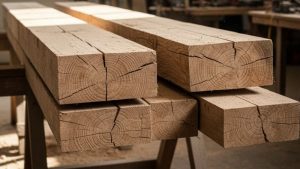
How to Sandblast Wood Safely
Proper sandblasting is part art, part science. Below are proven techniques used by professional surface restoration experts, especially before refinishing.
Step-by-Step Safe Sandblasting Process
- Inspect the Wood – Identify wood type, existing coatings, and areas of weakness.
- Select the Right Abrasive – Choose gentle abrasives such as walnut shells or corncob grit.
- Adjust PSI – Keep air pressure between 30–50 PSI for controlled removal.
- Set Nozzle Angle – Hold the nozzle at 45° for even stripping and minimal fiber tear.
- Test a Small Area – Always perform a trial pass before full blasting.
- Maintain Movement – Keep a steady motion to avoid overexposing any spot.
- Clean After Blasting – Use compressed air or a soft brush to remove remaining dust.
Safety Precautions
Always wear eye protection, gloves, and a respirator mask, and ensure proper ventilation or dust collection when working indoors, particularly when using soda blasting. Keep flammable materials away from the blasting area, and never use silica sand due to its health risks. When done safely and correctly, sandblasting produces a smooth finish that enhances the wood’s aesthetic appeal while preserving its natural strength and character.
Sandblasting vs Traditional Sanding
Both methods have their place in wood restoration, but the right choice depends on the project.
| Feature | Sandblasting | Hand Sanding / Traditional Sanding |
| Speed | Covers large areas quickly | Time-consuming, especially for detailed work |
| Reach | Gets into grooves, corners, and textures | Limited to flat or accessible areas |
| Finish | Leaves a rustic or natural texture | Creates a very smooth, polished surface |
| Effort | Minimal manual labor | Requires physical effort and time |
| Environmental Impact | No harsh chemicals or solvents | Often requires chemical strippers |
| Risk of Damage | Low with proper control | Low, but inconsistent results are possible |
| Ideal Use | Decks, beams, reclaimed wood | Small furniture, finishing touches |
After Sandblasting: Refinishing and Protecting Your Wood
Once the surface is cleaned and restored, the next step is refinishing to protect the wood from moisture, UV rays, and daily wear. Start by removing dust and debris with a soft brush or compressed air, then inspect the grain. If the raised grain is visible, lightly sand the surface for a smoother finish.
Next, apply a sealer or stain that enhances the wood’s natural tone while adding protection. Finish with an oil-based sealer or matte varnish to preserve the wood’s natural beauty, durability, and the uniform surface achieved through sandblasting.
When to Hire a Professional Wood Sandblasting Company
While small DIY projects might be manageable, large or valuable pieces deserve professional handling. Here’s why hiring experts is worth it:
- Precision Equipment: Professionals use industrial-grade machines that maintain consistent pressure and media flow.
- Experience: Skilled operators understand how different types of wood respond to specific abrasives.
- Damage Prevention: Controlled PSI settings prevent gouging or fiber tearing.
- Efficient Surface Preparation: Professionals can complete large projects faster and cleaner, saving you time and cost.
- Dust Management: Professional systems use containment setups to minimize airborne dust and mess.
If you’re restoring valuable furniture, a wood deck, or structural beams, professional wood sandblasting delivers a flawless, pristine surface. It also prevents unnecessary wear or damage that can occur with improper techniques.

Other Services Offered by CARV
Beyond wood restoration, CARV specializes in custom signage and surface solutions designed to elevate your space or brand. One of our standout services is Sandblasted HDU Signs. It is a premium option for businesses and homeowners seeking durable, eye-catching signs with depth and texture.
Our sandblasted signs are crafted from High-Density Urethane (HDU), a weather-resistant material that mimics the look of carved wood without warping or rotting. Using advanced sandblasting techniques, we sculpt precise lettering and designs that stand out beautifully against any background. The result is a professional, long-lasting sign that combines artistry with durability, perfect for storefronts, neighborhoods, and architectural projects.
Conclusion
Sandblasting doesn’t damage wood when handled by skilled professionals. Done correctly, it restores wood surfaces, removes old paint and old coatings, and uncovers the natural beauty hidden beneath years of paint, grime, or weathering. The result is a clean, smooth, and long-lasting finish that enhances both appearance and durability.
At CARV, we specialize in professional wood sandblasting and surface preparation that brings your projects back to life. Using the right abrasive media, precision equipment, and safe techniques, our team delivers exceptional results for decks, furniture, and wood siding. Contact us today to learn more or request a quote for your next sandblasting or restoration project.
FAQs
What happens if you sandblast wood?
When you sandblast wood, compressed air propels fine abrasive media to strip away old coatings, stains, and surface imperfections. The process reveals the wood grain and restores its natural texture, removing layers of coatings and color. When done correctly, sandblasting leaves a clean, uniform surface ready for refinishing or sealing.
Can you sandblast wood without damaging it?
Yes, you can sandblast wood without damaging it by using the right abrasive media, pressure, and technique. Soft abrasives like corncob grit or walnut shells clean gently without cutting into the fibers. Controlled PSI levels (30–50) and proper nozzle distance ensure a smooth, damage-free finish.
Is sandblasting better than sanding?
Sandblasting is better than sanding for large areas or heavily coated surfaces because it works faster and reaches detailed areas. It removes paint, grime, and old coatings without harsh chemicals or excessive labor. However, sanding is still preferred for smaller pieces or achieving an ultra-smooth final finish.
Can sandblasting remove paint from wood?
Yes, sandblasting can remove paint from wood quickly and efficiently. Using gentle abrasive media, it strips away old paint layers while preserving the underlying surface. This method is ideal for restoring decks, beams, and furniture without using chemical strippers.